
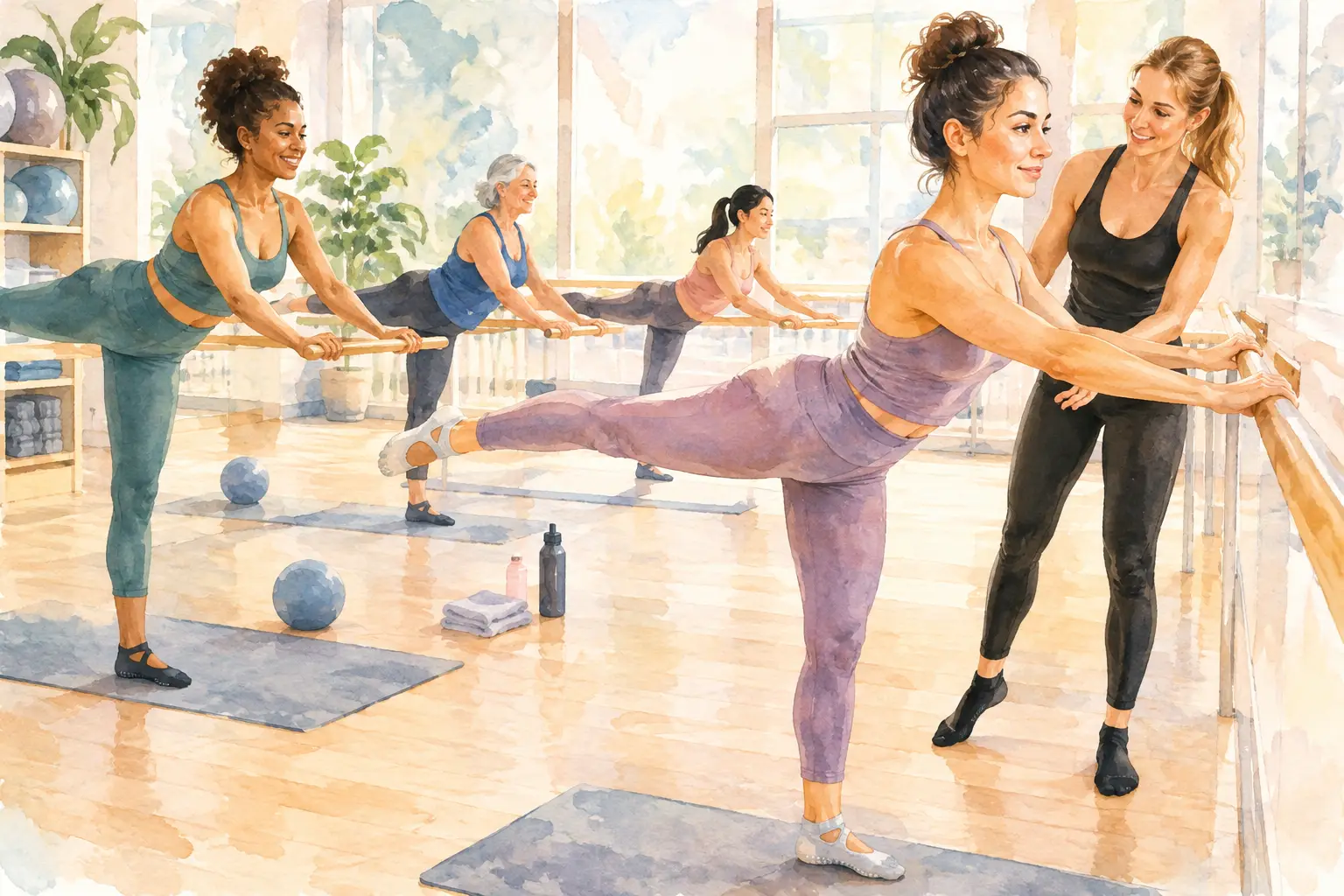
Are Barre Socks Necessary for Every Class?
Are barre socks necessary? Learn when grip socks help with stability and hygiene, when they are required, and how to choose a comfortable pair for class.
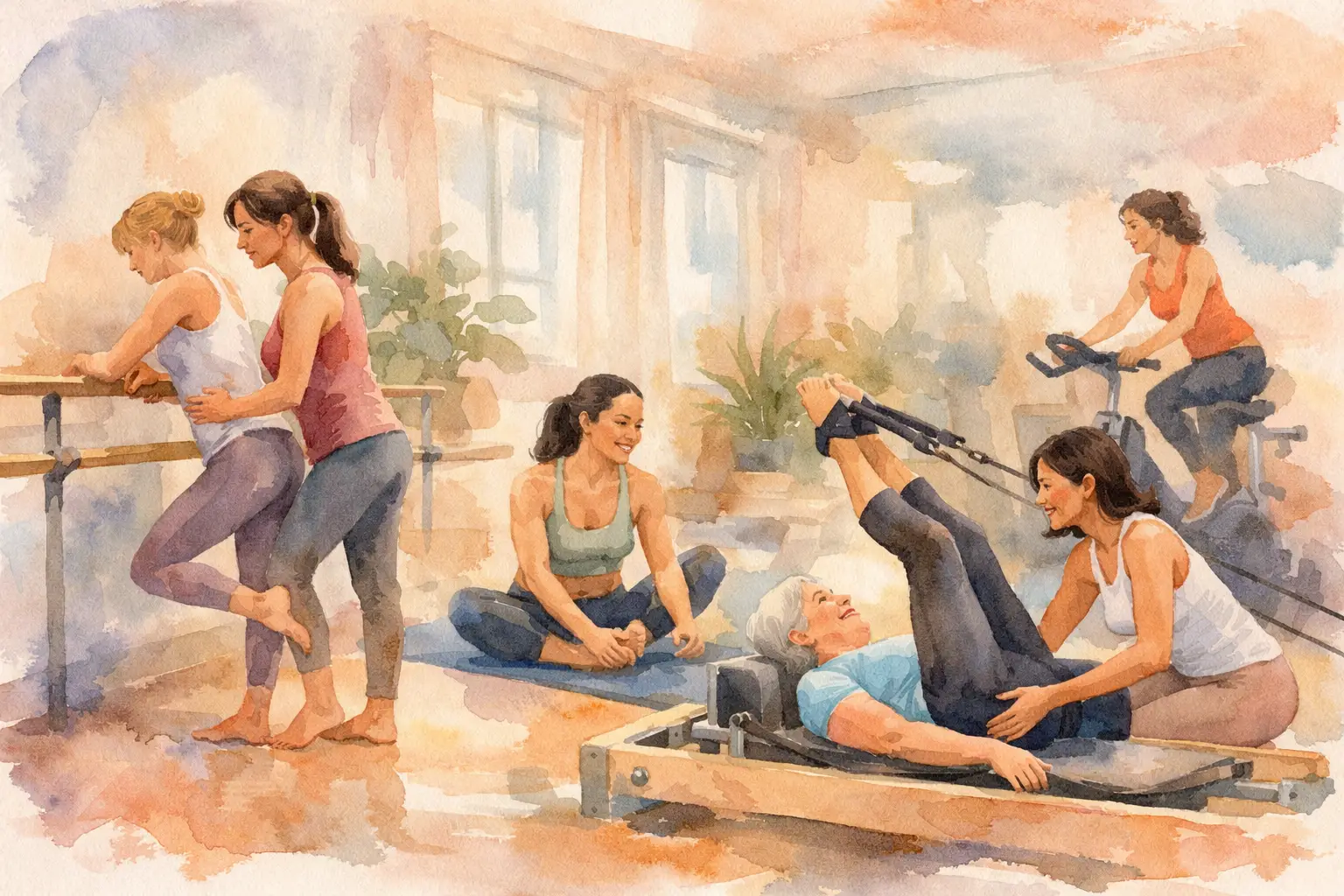
You do not need a flawless new routine to feel stronger. You need a plan that still works on a rainy beach morning, after a busy workday, or during a week when your usual schedule shifts. Learning how to build workout consistency is less about pushing yourself harder and more about making movement feel like a realistic, supported part of your life.
Consistency is what turns a single energizing class into better posture, stronger muscles, steadier balance, more stamina, and a deeper sense of confidence. The goal is not to be perfect. The goal is to keep returning.
Many people begin with an all-or-nothing plan: five workouts a week, a complete change in routine, and the expectation that motivation will stay high forever. It can feel exciting for a few days. Then work gets demanding, family plans fill the calendar, energy dips, or one missed class becomes a reason to quit altogether.
The problem is not a lack of discipline. The plan simply asked too much of real life.
A routine that lasts needs room for changing energy levels, travel, social plans, and the occasional week when taking care of yourself means choosing a gentler class or an earlier bedtime. Low-impact movement is especially valuable here because it gives you options to build strength and challenge yourself without making every workout feel punishing.
Start with the number of workouts you can genuinely protect, not the number you think you should do. For many people, that may be two classes each week. Two intentional appointments with yourself are far more powerful than an ambitious schedule you can only maintain for a short stretch.
Choose a baseline that feels almost too manageable. If you are returning after time away, one class plus one walk or at-home mobility session may be the right place to begin. Once that rhythm feels familiar, add another class. Building gradually lets your body adjust while giving your confidence time to catch up.
Think of your baseline as your minimum, not your limit. Some weeks you may feel great and enjoy an extra cycling, barre, yoga, or Pilates-inspired class. Other weeks, meeting your baseline is a meaningful win. Both count.
A workout becomes easier to keep when it has a specific place in your week. Rather than telling yourself you will go “sometime after work,” choose the Tuesday 5:30 p.m. class or the Saturday morning session and book it.
Look for the moments that already have structure. A class before your first meeting, after school drop-off, on a lunch break, or before weekend errands can become a natural anchor. The best time is not necessarily the earliest or most impressive time. It is the time you can repeat.
Keep one backup option, too. If your usual evening class becomes impossible because the day runs late, know which morning or weekend class could work instead. A flexible plan prevents one scheduling conflict from becoming a lost week.
You are much more likely to stay consistent with workouts that leave you feeling capable, supported, and glad you showed up. That does not mean every class will feel easy. Building strength, mobility, endurance, and balance requires effort. But effort feels different when it is guided well and scaled to where you are today.
Variety can help keep your routine interesting without requiring you to start over every week. Barre can support muscle tone, core strength, and posture. Yoga can create space to focus on flexibility, balance, and stress relief. Indoor cycling can build cardiovascular stamina, while Pilates-inspired movement can challenge control and deep core connection.
Try combining formats based on how you want to feel. A person who sits at a desk may appreciate barre and yoga during the week. Someone who enjoys a more energetic class may pair cycling with strength-focused barre. There is no single perfect mix. The most effective routine is one that fits your goals and makes you feel welcome enough to return.
Motivation is helpful, but systems are more reliable. Set out your workout clothes the night before, keep a water bottle ready, and decide on your class before the day gets busy. Small preparations remove the number of choices standing between you and the studio.
It also helps to make your workout plan visible. Add it to the same calendar you use for appointments and commitments. Treating movement as a real part of your schedule sends a quiet but important message: your energy, strength, and well-being deserve time too.
If getting out the door is the hard part, give yourself a smaller assignment. Tell yourself you only need to arrive, set up your mat, or begin the warm-up. Once you are in the room, an encouraging instructor, clear coaching, and the energy of the group often carry you forward.
Working out alone can be peaceful, but it also makes it easy to postpone movement when life gets full. A studio community adds a gentle layer of accountability. Your instructor can help you understand the movements, offer form guidance, and suggest options that meet you where you are. Familiar faces can turn class into a part of the week you look forward to.
At Sea Barre Fitness, the point is not to prove you belong in the room. You belong there from your first class. Let your instructor know if you are new, returning after a break, navigating pregnancy, or working around a physical limitation. They can help you choose modifications and settle into the class with more confidence.
Accountability can also come from a friend. Make a standing plan to meet for a class, then enjoy coffee or a walk afterward. The workout does not have to be a social event every time, but connection can make a routine feel less like another task on your list.
Consistency is not never missing a workout. It is avoiding the long gap that can happen after you miss one.
Create a simple reset rule: never let a missed class decide the rest of the week. If you miss Tuesday, do not wait until next Monday to begin again. Book the next available class, take a walk, or spend a few minutes stretching at home. A small return keeps the routine alive.
During especially busy seasons, lower the bar without abandoning it. Choose one class instead of three. Take a 20-minute walk. Attend a restorative yoga class when a high-energy workout is not what you need. These choices are not setbacks. They are how a sustainable routine adapts to a full life.
It is also worth noticing the difference between needing rest and avoiding discomfort. Rest supports consistency when you are tired, overwhelmed, or need recovery. Avoidance often sounds like waiting for the perfect mood, outfit, or open hour. You may not feel fully ready before class, and that is okay. You only need to take the next small step.
The scale is not the only measure of a consistent routine, and it is rarely the most motivating one. Pay attention to the everyday changes that show your practice is adding up. Maybe you hold a balance move with more ease, feel less stiff after a long drive, notice stronger posture at your desk, or have more energy for an afternoon with family.
Keep a simple note on your phone after class: what you did, how you felt, and one thing that improved. Over time, those notes become proof that your effort is working, even when progress feels gradual. Consistency builds results quietly before it becomes obvious.
A good routine should evolve with you. If your schedule changes, revisit your class times. If you are feeling bored, try a new format or instructor. If you have been taking the same class for months and want a fresh challenge, ask for options that help you build on your current foundation.
The answer is not always adding more. Sometimes consistency improves when you simplify, switch your workout time, or choose a class that better matches your current energy. Staying connected to how your body and schedule feel makes the routine more personal and more durable.
Your next workout does not need to make up for the one you missed, transform your whole week, or be your best class ever. It only needs to be the next time you choose to show up for yourself. Book it, arrive as you are, and let that one choice become the beginning of your rhythm.
Are barre socks necessary? Learn when grip socks help with stability and hygiene, when they are required, and how to choose a comfortable pair for class.
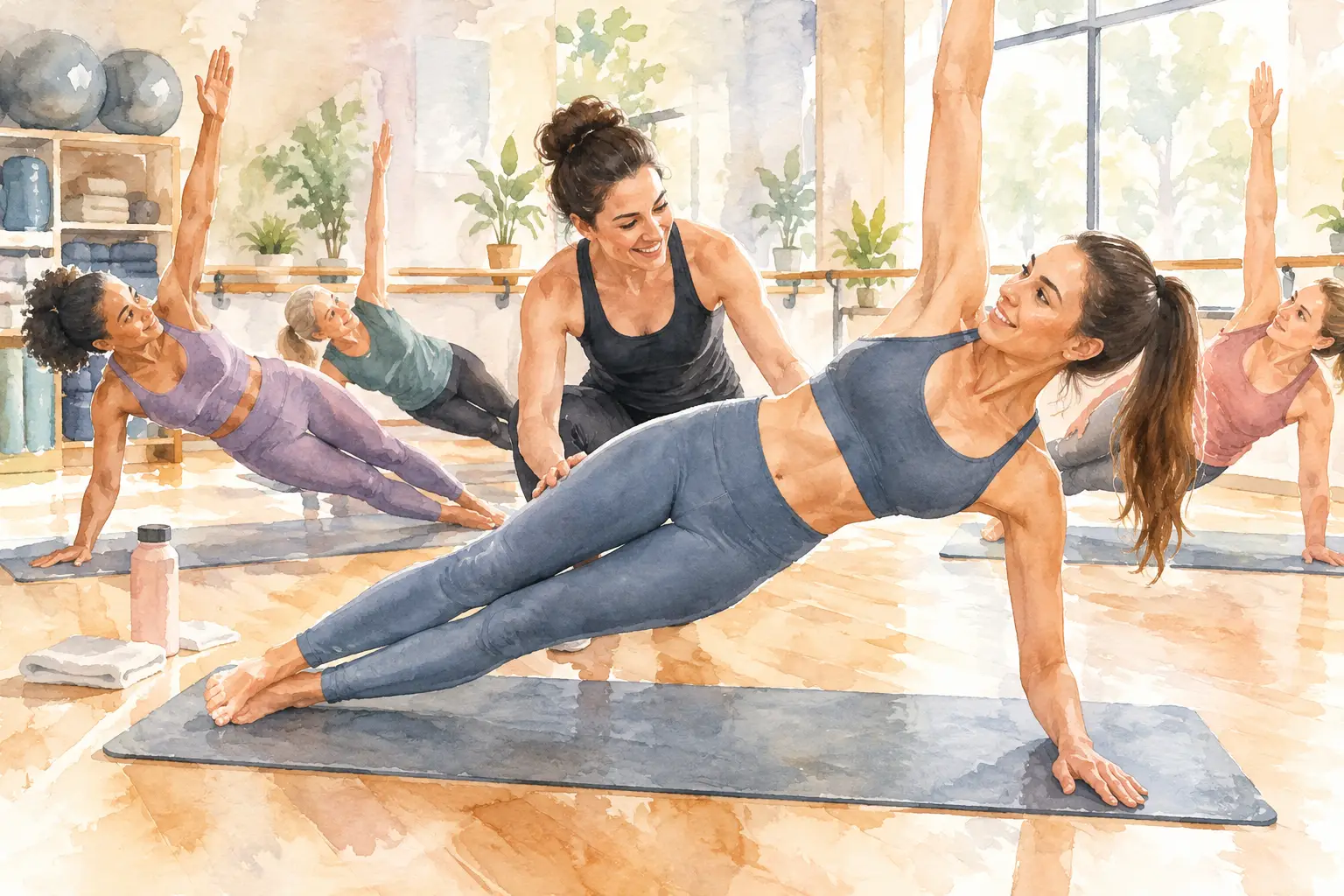
Find the best core stability moves for stronger posture, better balance, and confident low-impact movement, with form tips for every fitness level at home.