
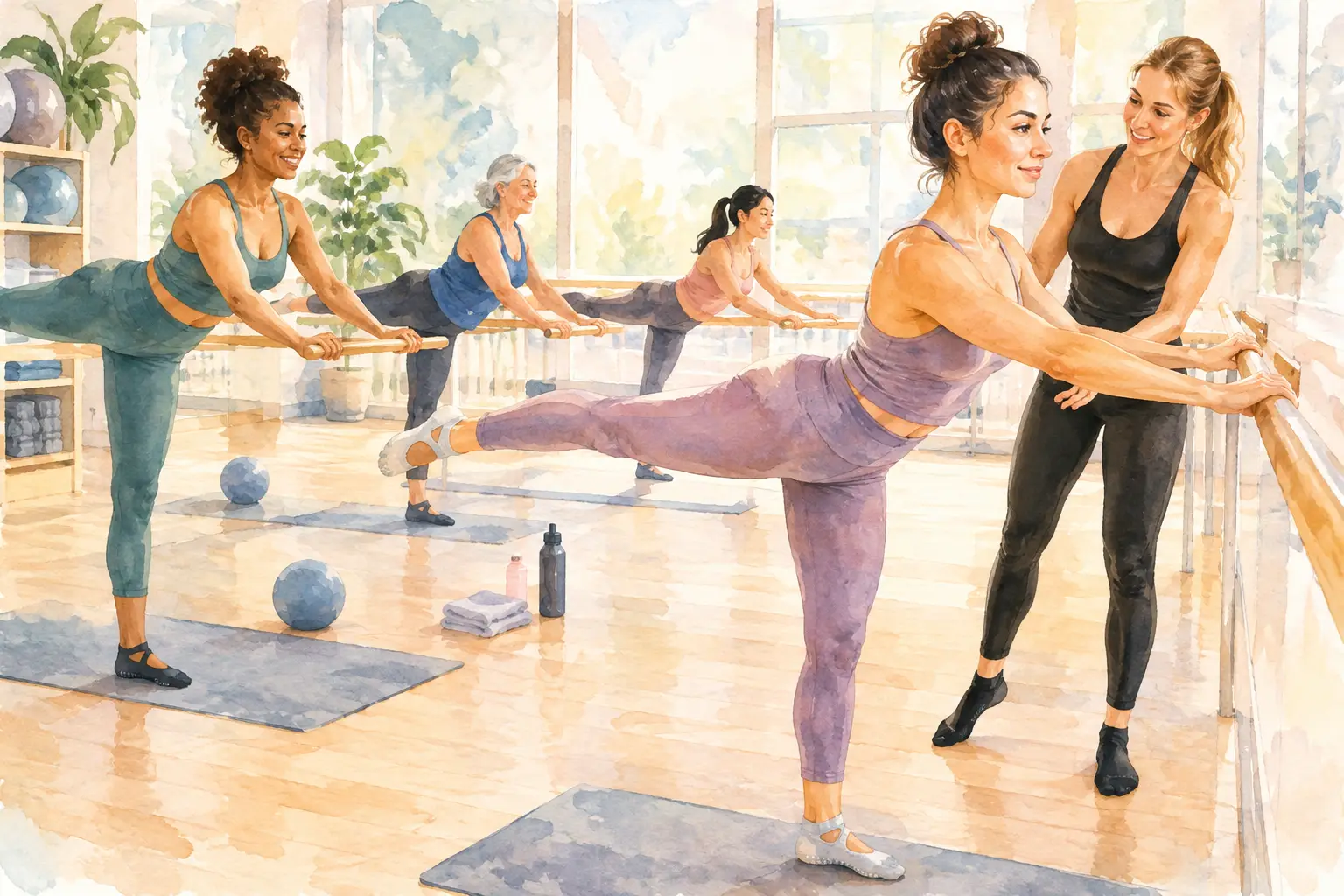
Are Barre Socks Necessary for Every Class?
Are barre socks necessary? Learn when grip socks help with stability and hygiene, when they are required, and how to choose a comfortable pair for class.
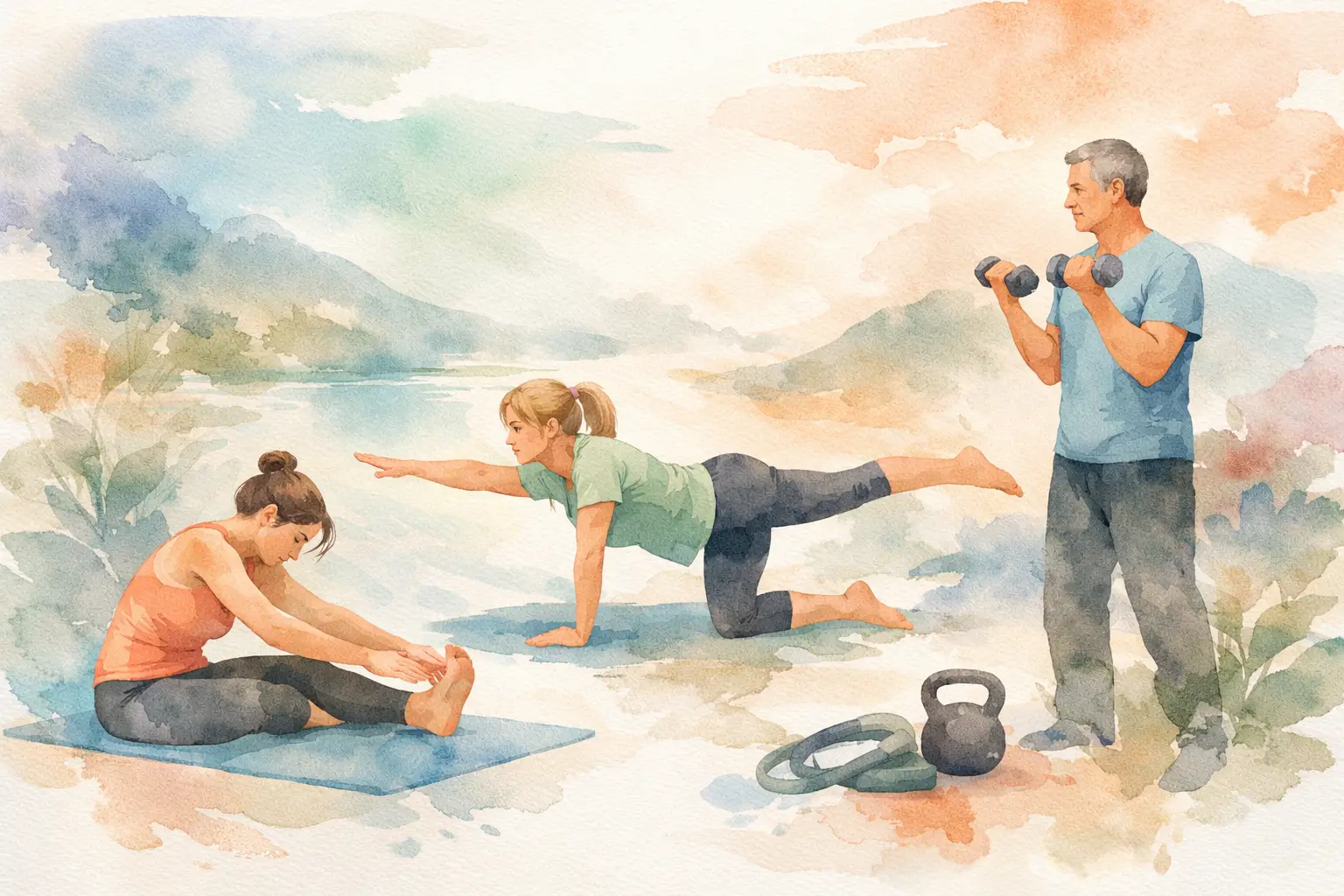
A workout should leave you feeling accomplished, not worried about whether your knees, back, or wrists will pay for it tomorrow. Low impact workouts for beginners offer a smarter way to build strength and stamina: you can challenge your muscles, raise your heart rate, and create a routine without relying on jumping, pounding, or all-or-nothing effort.
That matters whether you are brand new to exercise, returning after a long break, navigating a life change, or simply ready for movement that feels better in your body. Low impact does not mean low results. With thoughtful coaching and consistent practice, it can improve posture, core strength, balance, mobility, and confidence – one class at a time.
Low impact refers to how much force your body absorbs when it meets the floor or equipment. In most low-impact movement, at least one foot stays grounded. Think controlled squats instead of jump squats, a brisk walk instead of a run, or a cycling interval instead of repeated hops.
It does not mean easy, slow, or passive. A barre hold can make your legs shake without a single jump. A Pilates-inspired core series can ask for serious focus. An indoor cycling climb can build cardiovascular endurance while being much gentler on the joints than running. The intensity comes from resistance, time under tension, precise range of motion, pace, and intentional form.
For beginners, that distinction is freeing. You do not have to prove you are working hard by feeling beaten up. You need movement that is challenging enough to help you adapt, yet manageable enough that you want to come back.
When exercise feels intimidating, people tend to choose one of two extremes: they push too hard on day one or avoid getting started altogether. Low-impact training creates a more sustainable middle ground. It lets you learn foundational movement patterns while your muscles, tendons, and coordination catch up.
It is also easier to pay attention to form. During a controlled lunge, plank variation, or yoga balance pose, you can notice where your knees are tracking, whether your shoulders are creeping toward your ears, and how you are breathing. Those details build a stronger foundation for every activity you enjoy outside the studio, from carrying groceries to walking the beach to playing with your family.
Joint-friendly training can be especially appealing for adults returning after injury, people with lingering aches, pregnant clients who have been cleared for exercise, and anyone who simply dislikes high-impact cardio. Your needs are personal, so modifications matter. If you have an injury, new pain, pregnancy-related considerations, or a medical condition, check with your health care provider and tell your instructor before class.
The best starting point depends on what motivates you. Some people want the calm focus of yoga; others need the energy of a group cycling class. A varied routine can be useful because it develops strength, mobility, and endurance without asking the same joints and muscles to do the same thing every day.
Barre pairs small, intentional movements with holds, bodyweight exercises, and light resistance. You may work at a ballet barre or use it simply as support while strengthening your legs, glutes, arms, and core. No dance experience is required.
For a beginner, barre is a powerful introduction to muscle endurance. The movements are often small, but the work is real. As you learn to engage your core and stand taller through your spine, you may notice better posture and stability in everyday life. A coach can help adjust your stance, range of motion, or resistance so the class meets you where you are.
Pilates-inspired workouts focus on controlled strength, alignment, breathing, and deep core connection. Rather than rushing through repetitions, you move with purpose. This can be particularly helpful if you want to feel more stable through your hips and midsection or improve your awareness of how your body moves.
Begin with the version of an exercise that allows you to keep your back, neck, and shoulders comfortable. A smaller movement performed well is more valuable than a bigger one done with strain. Over time, those controlled repetitions can build the stability that supports stronger workouts later.
Yoga offers more than flexibility. A well-rounded beginner yoga class can build balance, body awareness, gentle strength, and breathing skills that carry into the rest of your week. It can also be a welcome reset when stress has made your body feel tight or tired.
Do not worry about looking flexible enough. Use blocks, take a wider stance, bend your knees, or choose a restorative option when needed. Yoga is not a performance. It is a chance to practice moving and breathing with more attention.
If your goal is to improve cardiovascular stamina without running, indoor cycling is a strong option. The bike supports your body weight while you control the resistance and speed. That makes it easy to scale the effort: a coach may cue a hill, but you choose the resistance that feels challenging and safe for you.
A proper bike setup is essential. Seat height, handlebar position, and resistance all affect comfort. Ask for help before your first ride. Once you are set up, cycling can deliver an energizing, sweat-building workout without the impact of pounding the pavement.
The biggest beginner mistake is treating the first week like a test. You do not need to earn your place in a fitness class. Your goal is to build familiarity and consistency.
Start with two low-impact workouts a week for the first few weeks. Leave a rest day or an easy walking day between strength-focused classes, especially if you are new to exercise. If you feel good, add a third session later. Soreness can be normal, but sharp pain, swelling, dizziness, or pain that changes how you move is a sign to stop and seek appropriate guidance.
Arrive a few minutes early and introduce yourself to the instructor. Let them know it is your first class, whether you have any limitations, and what you hope to gain. Great coaching is not about calling attention to you. It is about giving you options before you need them.
During class, choose the modification before you reach the point of frustration. Take a knee down in a plank, lower your weights, shorten your range of motion, or slow your pace on the bike. These are not shortcuts. They are smart decisions that keep your form strong and make regular movement possible.
For many beginners, a balanced week might include a barre or Pilates-inspired class for strength, one cycling class for cardio, and a yoga class or long walk for mobility and recovery. If three sessions feels like too much, start with two and let that be enough.
In week one, focus on learning names, setups, and movement patterns. In week two, notice how your body feels the day after class and adjust your effort accordingly. By weeks three and four, you may add a little resistance, hold a position longer, or feel ready to try a new format. Progress often appears first as better balance, more energy, or a little more confidence before it shows up in the mirror.
At Sea Barre Fitness, instructor-led classes make that learning curve feel less lonely. You can get clear cues, hands-on encouragement, and a room full of people working toward stronger bodies in their own ways.
Consistency changes more than a single hard workout ever will. With regular low-impact exercise, beginners often notice improved leg and core strength, more comfortable movement, better posture, greater flexibility, and stronger cardiovascular stamina. You may also sleep better or feel more capable of handling a busy day.
The timeline depends on your starting point, class frequency, sleep, stress, nutrition, and how much recovery your body needs. Avoid chasing someone else’s pace. The most meaningful result is a routine that fits your real life and helps you feel more at home in your body.
Your first class does not need to be perfect. Put on clothes you can move in, bring water, and give yourself permission to start small. The confidence you want is built in the moments you choose to return.
Are barre socks necessary? Learn when grip socks help with stability and hygiene, when they are required, and how to choose a comfortable pair for class.
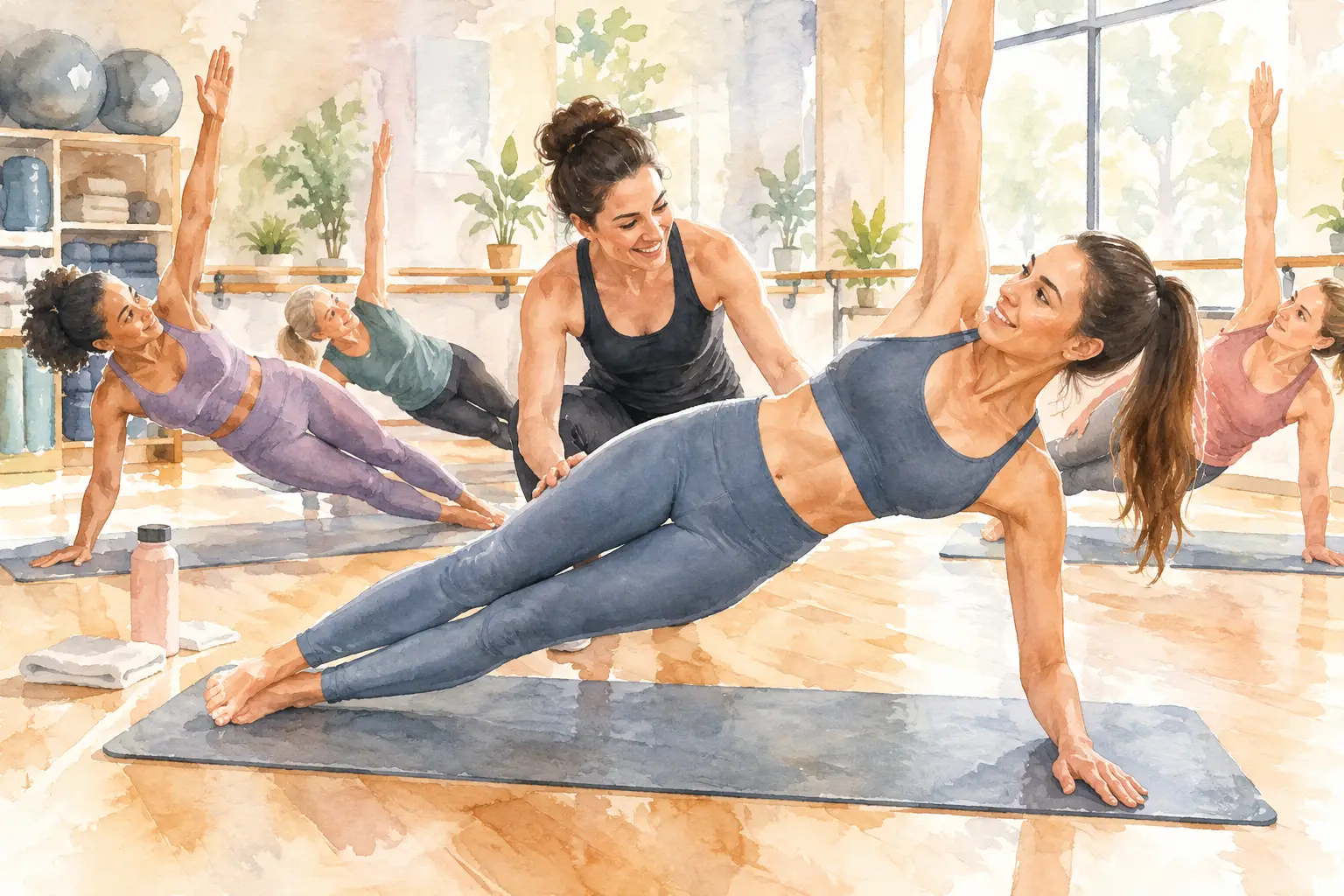
Find the best core stability moves for stronger posture, better balance, and confident low-impact movement, with form tips for every fitness level at home.