
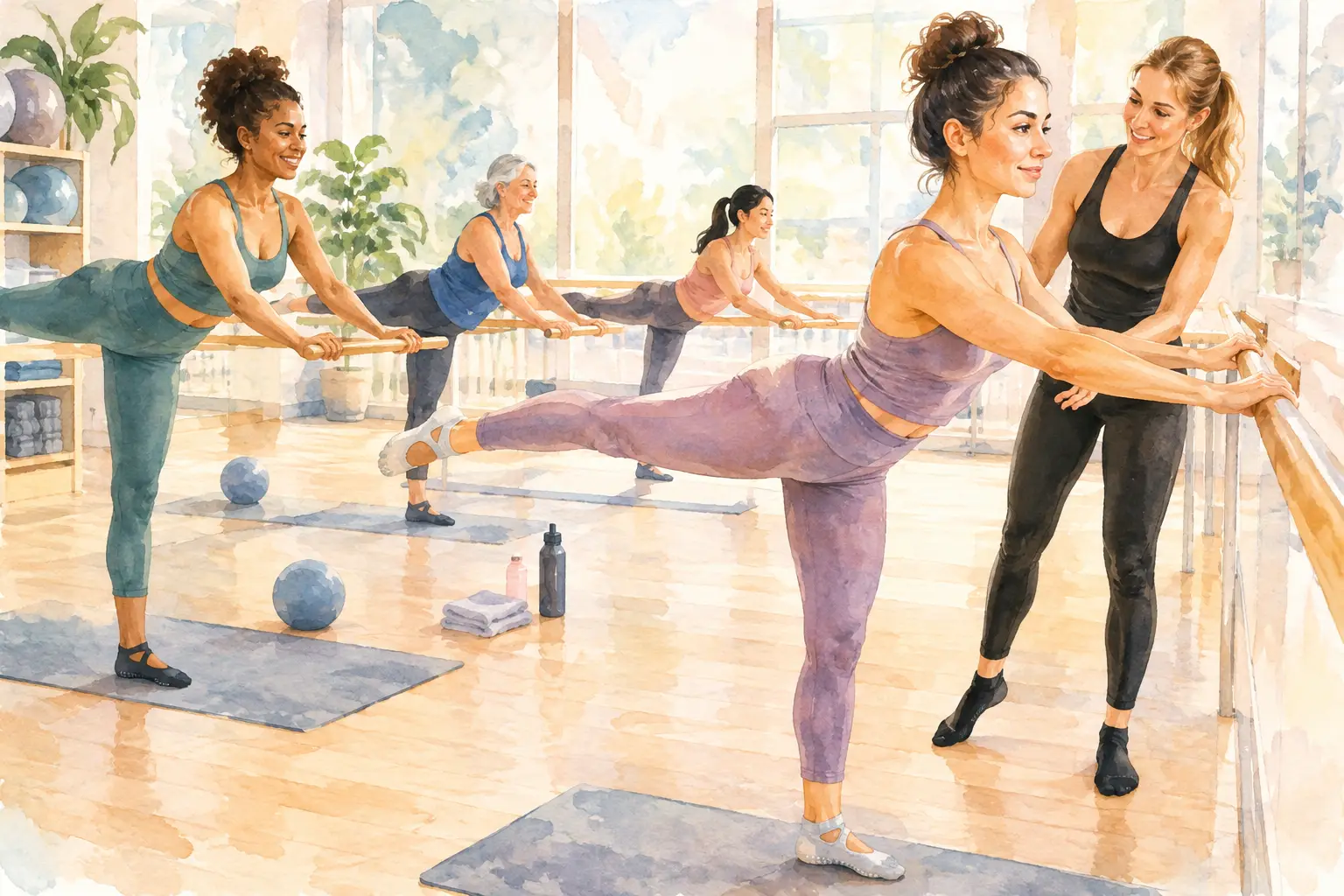
Are Barre Socks Necessary for Every Class?
Are barre socks necessary? Learn when grip socks help with stability and hygiene, when they are required, and how to choose a comfortable pair for class.
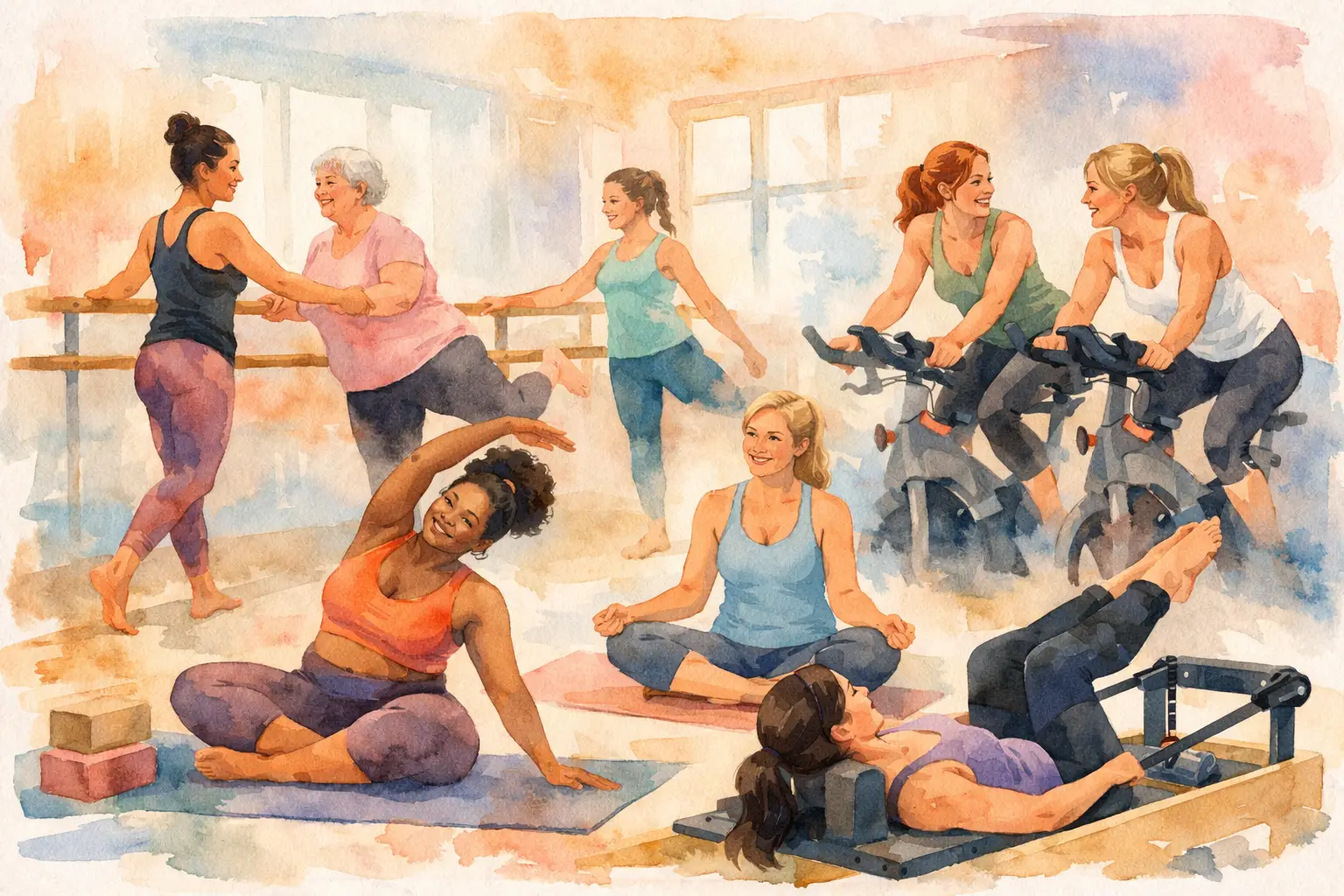
Walking into a new studio should not feel like you need to prove you belong there. The best fitness classes for all body types begin with a simple belief: movement can meet you where you are and still help you feel stronger, steadier, and more confident over time.
That means no pressure to keep up with the person on the next mat, no expectation that every body moves the same way, and no need to wait until you feel “fit enough” to start. Whether you are brand-new to structured exercise, returning after a long break, or looking for a joint-friendly way to challenge yourself, the right class gives you a clear place to begin.
An inclusive class is more than a welcoming message on a website. You can feel it in the room. The instructor offers clear form guidance, provides options without making anyone feel singled out, and encourages you to work with your body rather than against it.
It also means the workout has room to grow with you. A newer participant may use a smaller range of motion, take a slower pace, or choose a supportive variation. Someone with more experience may add intensity, hold a position longer, or refine the smallest details of alignment. Both are doing meaningful work.
The goal is not to make every movement look identical. The goal is to help each person build strength, mobility, balance, and stamina in a way that feels challenging and sustainable. That is especially valuable when life, energy levels, past activity, and comfort in a fitness setting can look very different from person to person.
Many people assume a workout only “counts” if it leaves them jumping, sprinting, or pushing through discomfort. But thoughtful, low-impact movement can be deeply effective. Barre, Pilates-inspired strength work, yoga, and indoor cycling each offer a different way to build a capable body without unnecessary pounding on the joints.
Barre uses focused, controlled movements to wake up muscles that often get overlooked in everyday life. You may feel the work in your legs, glutes, core, and arms, while also improving posture and body awareness. Small movements can create a big challenge because they ask you to stay present, steady, and connected to your form.
Pilates-inspired classes emphasize core support, alignment, and controlled strength. They are a strong choice for anyone who wants to feel more stable through everyday movement, from carrying groceries to climbing stairs or spending long hours at a desk.
Yoga adds mobility, flexibility, breath, and balance to the mix. Some days, that may mean a slower practice that helps you reset. Other days, it may mean building heat and strength through intentional flow. Indoor cycling offers a different kind of energy, helping build cardiovascular endurance in a format where you can adjust resistance and pace to fit your needs.
None of these formats requires you to have a certain body shape, flexibility level, or fitness history before you walk in. What matters is having an instructor who helps you choose the version of the movement that serves you that day.
A supportive instructor does more than count down the next exercise. She helps turn a class into a personal experience, even in a group setting. That can look like a reminder to soften your shoulders, shift your foot placement, use the wall for balance, or choose a modification that lets you stay strong and comfortable.
Good coaching is especially helpful when you are learning a new format. Barre terminology, cycling setup, or yoga shapes can feel unfamiliar at first. A coach-led class replaces guesswork with encouragement. You do not need to know every cue on day one. You simply need to be willing to listen, try, and ask questions when you need them.
Personal attention also keeps progress realistic. Maybe your first goal is to attend once a week. Maybe it is to hold a plank variation with more confidence, touch your toes with less effort, or finish a cycling class feeling energized instead of overwhelmed. Those wins matter because they make a routine easier to return to.
The most effective class is not necessarily the one your friend loves or the one that looks hardest on social media. It is the one you can enjoy enough to do consistently. When exploring a new studio or class schedule, think about the kind of support and experience you want.
If you want to strengthen and tone while improving posture, barre may be a natural place to start. If you are craving more flexibility, balance, and stress relief, yoga may feel like the right fit. If you enjoy music, rhythm, and a cardio-focused challenge you can control, cycling may be a great match. If you want careful attention to core strength and alignment, Pilates-inspired training can be a powerful option.
It is also okay to mix formats. In fact, variety can make a routine more enjoyable and help you build well-rounded strength. A week might include a barre class for lower-body endurance, a yoga class for mobility, and a cycling class for stamina. The right balance depends on your schedule, your goals, and how your body feels.
Before class, let the instructor know that you are new or returning to movement. Share anything that may affect how you participate, including whether you would appreciate extra help with setup or modifications. You do not need a lengthy explanation. A simple conversation can help your instructor support you from the start.
Fitness is often framed around appearance, but the changes that keep people coming back are usually more personal. You may notice that your posture feels taller while you work at your computer. You may feel more stable stepping off a curb, more relaxed after a stressful day, or more comfortable taking up space in a group class.
Confidence grows through repetition. Each time you show up, learn a new movement, or choose the option that is right for you, you build trust in your own ability. Some classes will feel easier than others. That is normal. Energy changes, schedules get busy, and every body has days that call for a little more patience.
The key is to avoid treating modifications as a step backward. A modification is a tool. It can help you learn form, adjust intensity, or continue moving in a way that feels supportive. Choosing it is often a sign that you are paying attention, not giving up.
For many people, the hardest part of fitness is not the workout itself. It is getting through the door consistently. A welcoming community can make that easier. Familiar faces, encouraging coaches, and a class that becomes part of your week can turn movement from another obligation into time you genuinely look forward to.
At Sea Barre Fitness, classes are designed to welcome different experience levels, body types, and goals. You can come as you are, learn at your own pace, and find a format that makes you feel capable. There is room to work hard, laugh when a new movement feels tricky, and celebrate the quiet progress that adds up over time.
The best fitness routine is not built on punishment or comparison. It is built on support, consistency, and movement that helps you feel at home in your body. Start with one class, one kind instructor, and one commitment to show up for yourself. That is more than enough to begin.
Are barre socks necessary? Learn when grip socks help with stability and hygiene, when they are required, and how to choose a comfortable pair for class.
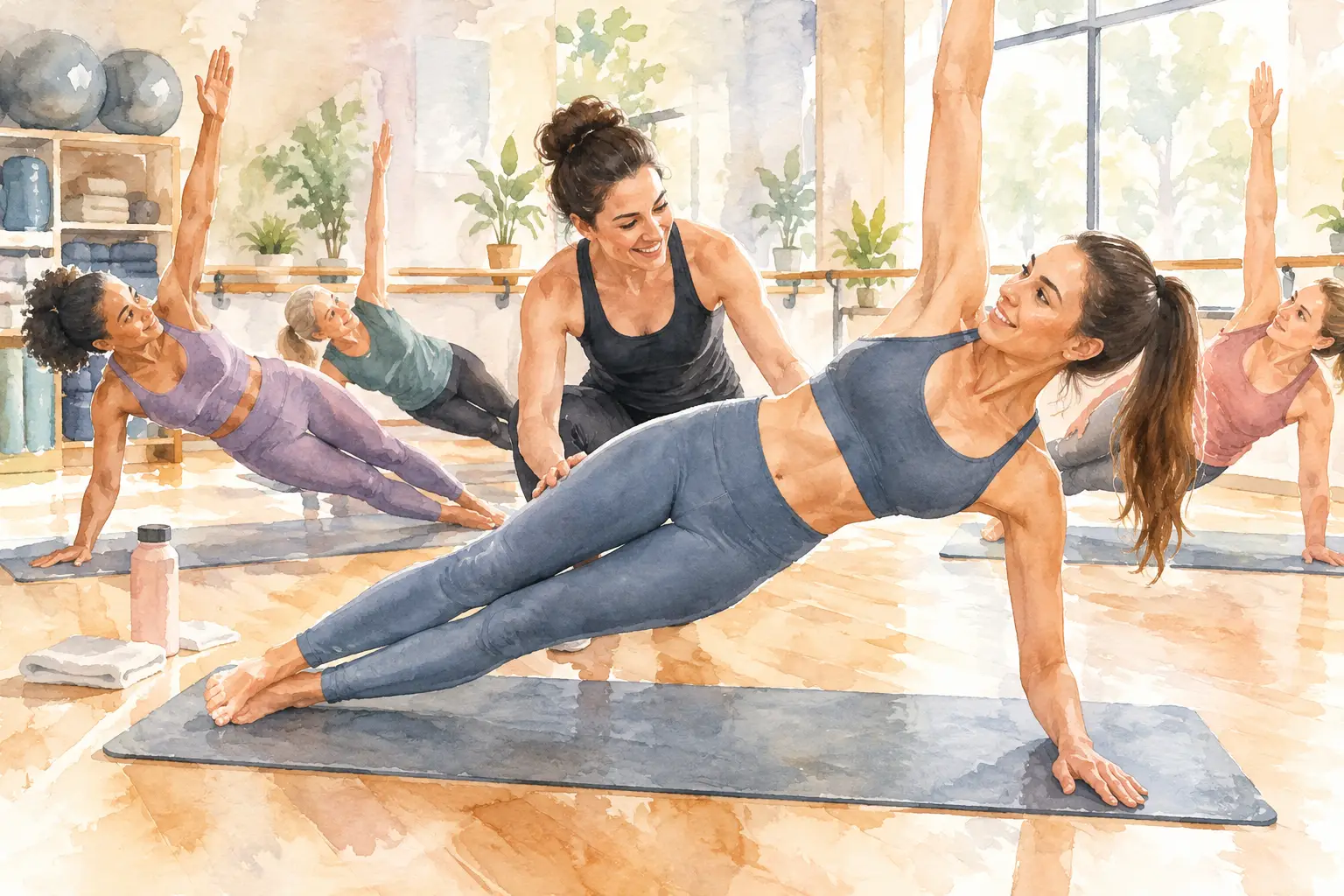
Find the best core stability moves for stronger posture, better balance, and confident low-impact movement, with form tips for every fitness level at home.