
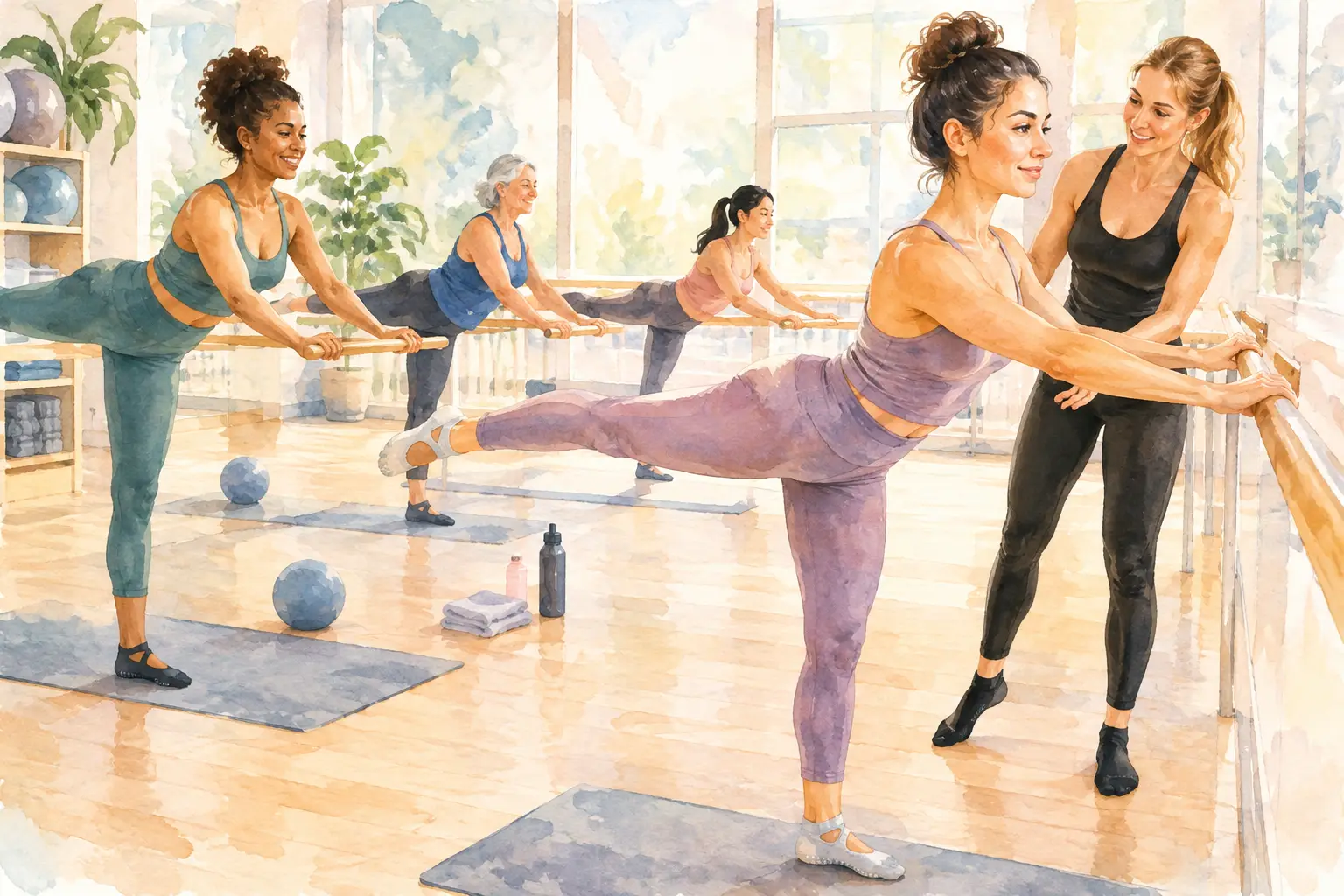
Are Barre Socks Necessary for Every Class?
Are barre socks necessary? Learn when grip socks help with stability and hygiene, when they are required, and how to choose a comfortable pair for class.
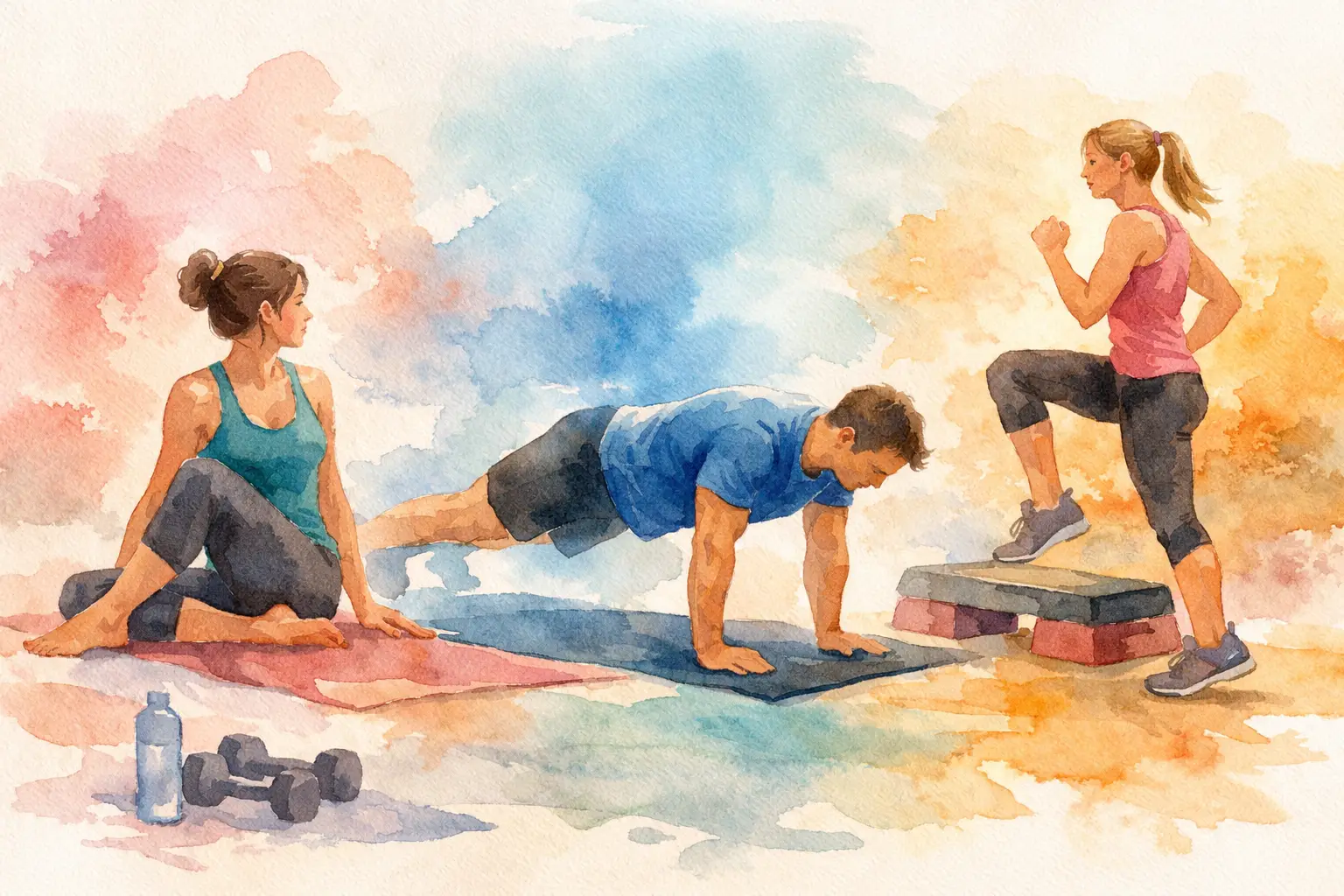
That first workout back can feel bigger than it should. You may remember what your body used to do, while your current energy, mobility, or confidence says, “Start slower.” Fitness classes for returning exercisers should make that gap feel manageable, not embarrassing. The right class gives you a clear plan, a knowledgeable coach, and a room full of people focused on their own progress.
Whether you stepped away because of a busy season, an injury, pregnancy, caregiving, travel, or simply losing your routine, you do not need to “get in shape” before you come back. You just need a starting point that respects where you are now.
A break from regular movement can affect more than endurance. Your muscles may fatigue sooner, balance can feel less steady, and familiar exercises may require more focus. Just as often, the harder part is mental: wondering whether you will keep up, feeling self-conscious, or expecting yourself to perform at the level you reached years ago.
That is why an all-or-nothing approach rarely lasts. Jumping immediately into high-impact workouts, long sessions, or punishing goals can leave you overly sore and discouraged. On the other hand, starting too cautiously without structure can make it hard to build momentum.
A coach-led class offers a useful middle ground. You receive guidance on form and pacing while sharing the energy and accountability of a group. The goal is not to prove anything on day one. It is to leave feeling capable enough to return.
Not every workout format fits every return-to-fitness story. The best choice depends on your current mobility, past injuries, goals, schedule, and what makes exercise feel enjoyable enough to repeat. Still, a few features make a meaningful difference.
Low-impact does not mean low effort. It means the workout limits repetitive pounding and excessive stress on the joints. Barre, Pilates-inspired strength work, yoga, and indoor cycling can help you build muscular endurance, core stability, mobility, and cardiovascular stamina without requiring jumps or hard landings.
This can be especially helpful when your knees, hips, back, or ankles need a more considerate starting point. It is also a smart choice for active adults who want challenging training they can recover from well. The right coach can offer options that increase or reduce intensity while keeping you engaged in the same class.
When you are returning to exercise, form matters. Small adjustments to posture, alignment, breath, resistance, or range of motion can change how an exercise feels and where you feel it. A supportive instructor does more than call out the next move. They help you understand it.
Look for classes where modifications are offered without making anyone feel singled out. Taking a smaller range of motion, slowing your pace, using lighter resistance, or choosing a more stable variation is not falling behind. It is how you build a strong foundation.
The most effective class is often the one you can attend consistently. Before committing to an ambitious five-day plan, consider the times of day when exercise is most realistic for you. Two classes each week can create far more progress than a packed schedule that disappears after ten days.
Choose a studio with formats that fit different needs. On one week, you may want the focused strength work of barre. On another, a yoga class may be exactly what helps you reset, improve flexibility, and manage stress. Variety keeps your routine useful as your energy and goals change.
There is no single “best” class for every returning exerciser. Your ideal first class should match the type of support and challenge you need right now.
Barre combines controlled strength exercises with focused, low-impact movement. It is a strong option if you want to reconnect with your core, legs, glutes, arms, and posture. The movements may look small, but they ask your muscles to work with precision and endurance.
For someone returning after time away, barre can feel approachable because there is no need to race through the workout. You can adjust your range, choose lighter props, and gradually develop the strength to hold positions longer. Expect your muscles to work – and expect that feeling to become more familiar with each class.
Yoga is valuable when stiffness, stress, and limited mobility are part of why you stopped moving regularly. A well-guided class can help you improve flexibility, balance, breathing, and body awareness while building strength in a more measured way.
Yoga can also complement more athletic goals. Better mobility may make cycling, strength work, and daily activities feel more comfortable. If you are recovering from a medical condition or injury, check with your health care provider first and tell your instructor what support you need.
If you miss the energizing feeling of a cardio workout but are not ready for running or jumping, indoor cycling is a great place to start. You control much of the challenge through resistance and pace, which makes it easier to work at your current fitness level.
A good first ride is not about matching the fastest person in the room. Focus on learning bike setup, finding a sustainable effort, and listening to the coach’s cues. Over time, you can build stamina and confidence without adding impact to your joints.
Pilates-inspired classes emphasize controlled movement, core strength, alignment, and stability. They can be especially helpful if you feel disconnected from your body after a long break or want to improve how you move before adding more intensity.
This format asks for concentration, not perfection. As your core and stabilizing muscles get stronger, you may notice better balance, improved posture, and more confidence in other workouts.
The first month is not the time to judge your fitness by the scale, the mirror, or whether every class feels easy. It is the time to rebuild the habit of showing up.
Start with two classes per week if that feels sustainable. Give yourself at least a day between more demanding sessions, especially at first. Gentle walks, stretching, and everyday movement can support recovery without turning your rest days into another intense assignment.
Pay attention to useful signals of progress. You may climb a flight of stairs with less effort, hold a plank longer, sit taller at your desk, sleep more soundly, or recognize that you no longer dread class day. These changes matter because they make an active life feel more available to you.
Some soreness is normal when you challenge muscles that have not worked this way in a while. Sharp pain, joint pain, dizziness, or discomfort that does not improve is different. Pause, communicate with your instructor, and seek medical guidance when appropriate. Being consistent does not mean ignoring your body.
Arrive a few minutes early for your first visit. Let the instructor know you are returning after time away and share any limitations they should know about. That quick conversation can help them guide you toward useful modifications and make the room feel less unfamiliar.
Wear clothes that let you move comfortably, bring water, and release the pressure to have the “right” fitness look. Most people in a studio are too focused on their own movement to judge yours. More importantly, a welcoming fitness community understands that every strong routine begins with a first class.
At Sea Barre Fitness, returning clients can choose from barre, yoga, cycling, Pilates-inspired movement, and personalized training in a supportive, coach-led setting. You can try a format that feels right now, then build from there as your strength and confidence grow.
Your return does not have to be dramatic to be meaningful. Pick a class, take the version of each movement that serves your body, and come back again next week. That is how a pause becomes a routine you are proud to keep.
Are barre socks necessary? Learn when grip socks help with stability and hygiene, when they are required, and how to choose a comfortable pair for class.
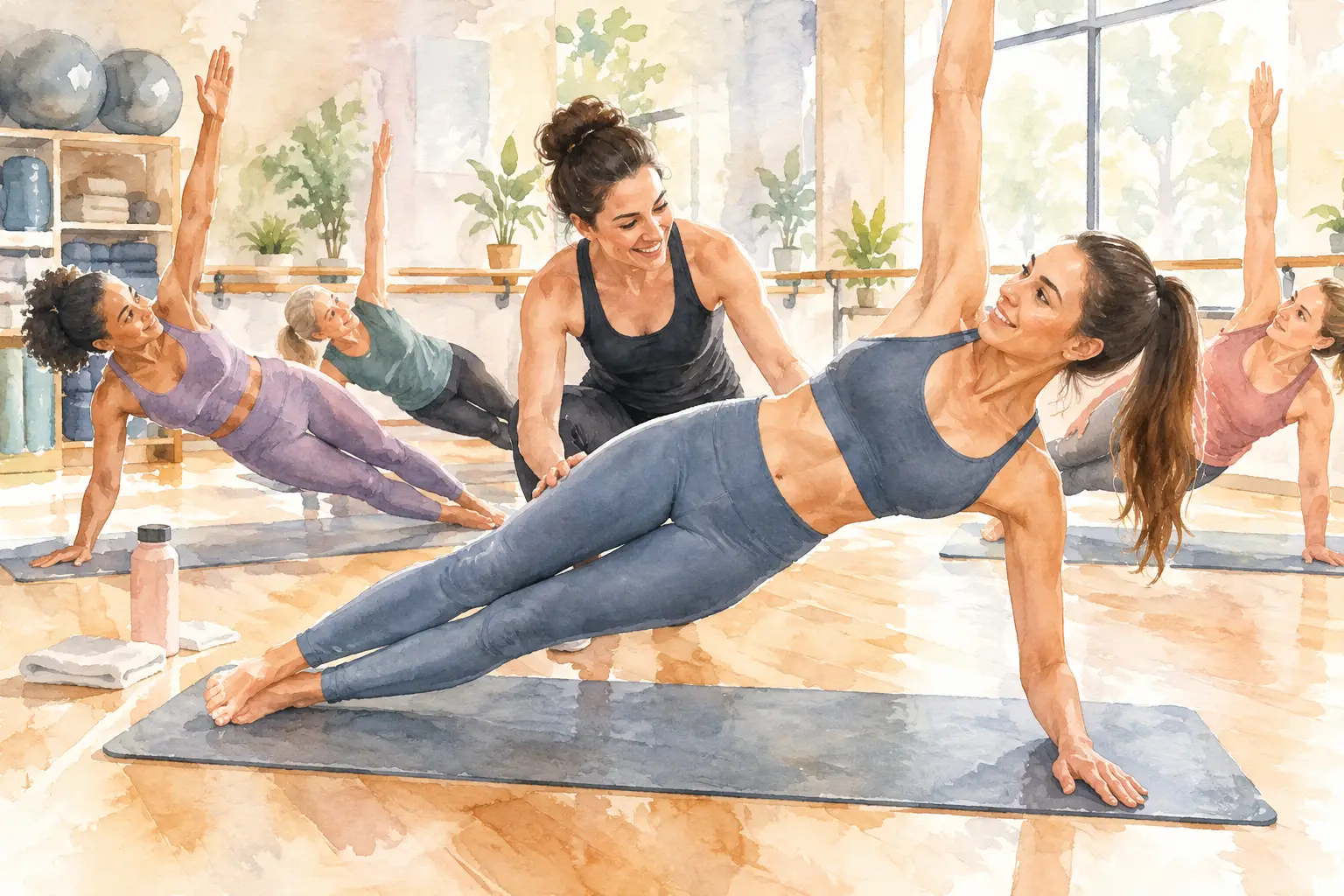
Find the best core stability moves for stronger posture, better balance, and confident low-impact movement, with form tips for every fitness level at home.