
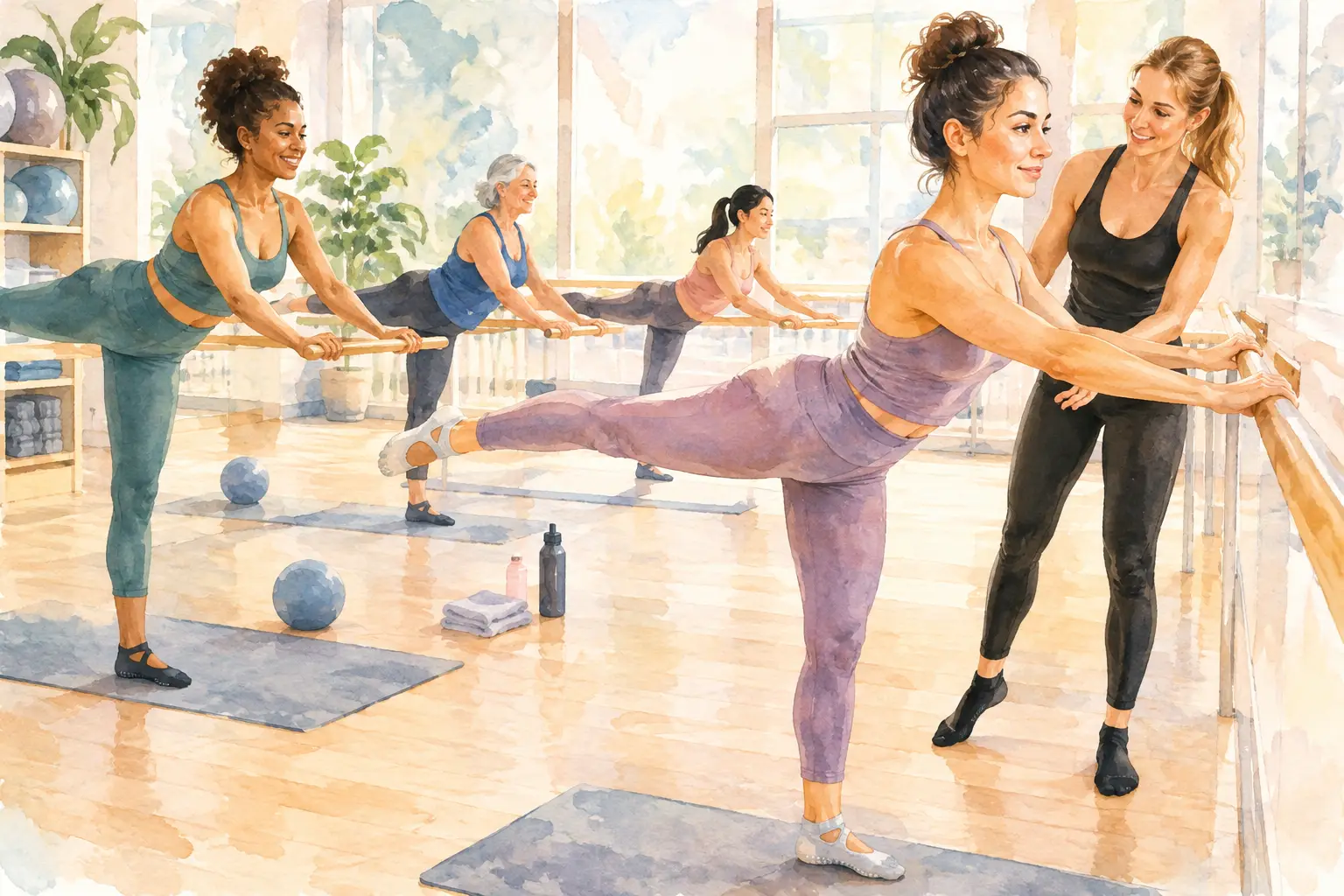
Are Barre Socks Necessary for Every Class?
Are barre socks necessary? Learn when grip socks help with stability and hygiene, when they are required, and how to choose a comfortable pair for class.
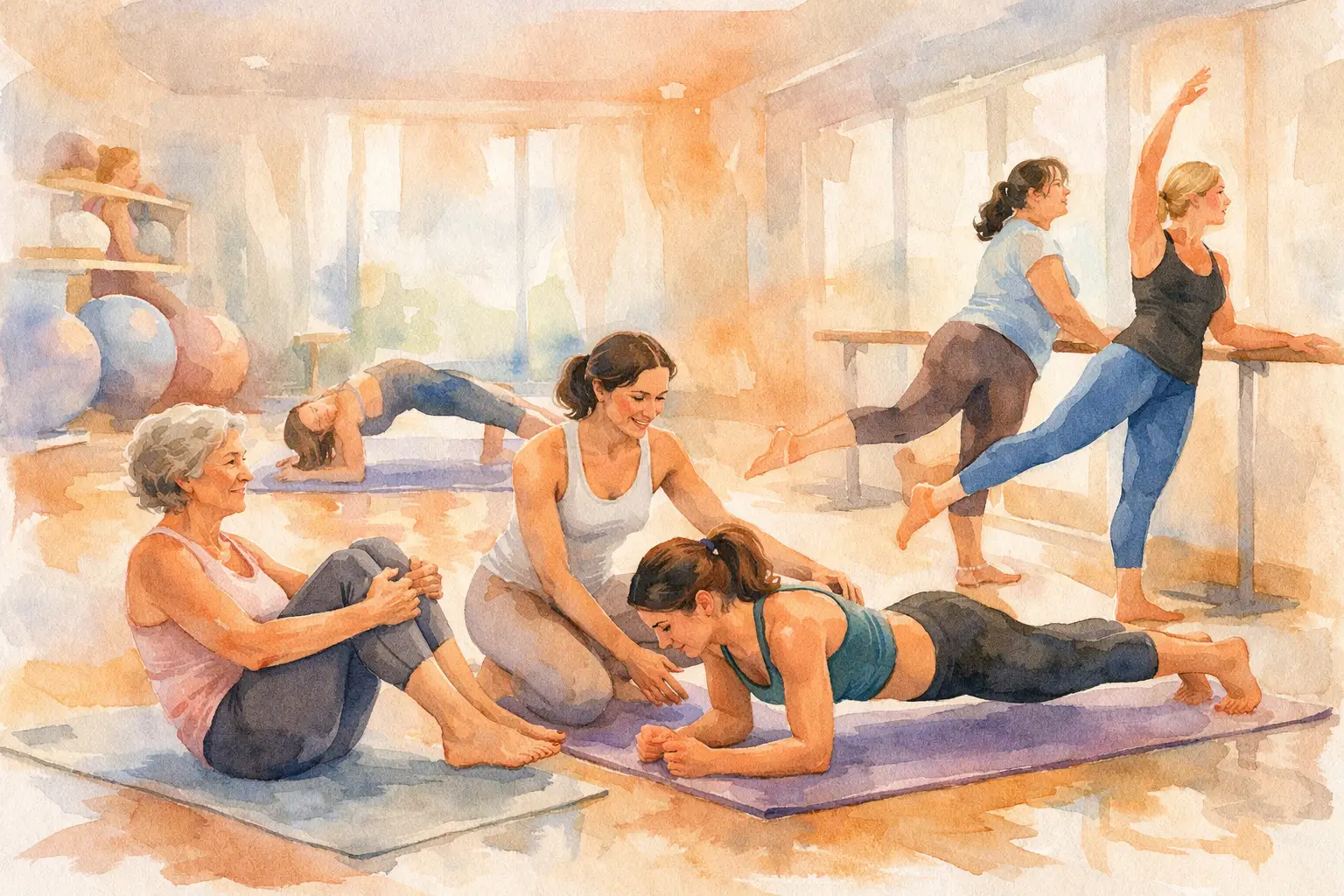
Your core is working long before you get to a plank. It helps you stand tall while waiting in line, carry groceries with more ease, reach for something from a high shelf, and stay steady when the sand shifts beneath your feet. A core strength and stability workout is not about chasing an intense burn or doing endless crunches. It is about building reliable support through your center so the rest of your body can move with greater confidence.
At Sea Barre Fitness, that kind of strength is built through focused, low-impact movement that meets you where you are. Whether you are new to structured exercise, returning after time away, or ready to add more intention to your routine, core work can help you feel more connected to your body from the inside out.
Your core includes far more than the muscles at the front of your stomach. It is the supportive system around your midsection, including your deep abdominal muscles, back, hips, glutes, and pelvic floor. These areas work together to help you maintain alignment, transfer power between your upper and lower body, and control movement rather than simply rushing through it.
Core strength is your ability to create and maintain support. Stability is your ability to stay controlled when your body moves, changes position, or meets an uneven surface. Both matter. You may be able to hold a challenging position for a few seconds, for example, but stability is what helps you maintain good form as you lift one leg, rotate your torso, or transition from the floor to standing.
That is why a thoughtful workout includes more than one kind of exercise. It blends stillness with movement, standing work with floor work, and strength with mobility. The goal is not to make every exercise harder. The goal is to make each movement more purposeful.
Low-impact does not mean low effort. In barre, Pilates-inspired strength work, and yoga, small adjustments can create a surprisingly deep challenge. Slowing down gives you time to notice your posture, engage the right muscles, and build endurance without adding unnecessary pounding to your joints.
A well-coached class may ask you to soften your ribs, lengthen through the crown of your head, or gently draw your lower belly inward as you move. Those cues are not meant to make movement complicated. They help you avoid relying on momentum and encourage your body to find a more supported position.
This approach can be especially helpful if traditional gym workouts have felt intimidating or uncomfortable. You do not need to jump, sprint, or lift heavy weights to strengthen your center. Consistency, control, and quality form can create meaningful progress over time.
A balanced core strength and stability workout trains your body in the ways it actually moves throughout the day. Instead of focusing only on bending forward, look for exercises that challenge you to resist movement, stay aligned, and move smoothly from one position to another.
Planks, forearm holds, tabletop variations, and bridge holds are useful because they invite your whole body to participate. The best version of any hold is not necessarily the longest one. It is the version where you can breathe, keep your shoulders supported, and avoid sinking into your lower back.
If a full plank does not feel right yet, an elevated plank at the barre or a modified position on the knees can offer the same learning opportunity. Modifications are not a step behind. They are a smart way to build a foundation that lasts.
Daily life involves rotation: turning to look behind you, reaching across a counter, or moving through a yoga flow. Gentle twists and rotational exercises can help you build awareness through your waist, hips, and upper back.
The key is control. A twist should feel like a smooth, supported movement rather than a fast swing. Keep your hips as steady as the exercise calls for, move within a comfortable range, and let your breath guide the pace.
Balance is not only about standing on one foot. It is also about how your foot, ankle, leg, glute, and core communicate with one another. Exercises such as supported single-leg balances, standing knee lifts, lunges with a chair or barre nearby, and slow leg extensions challenge that connection.
A barre provides a valuable point of support while you learn. Holding on lightly can help you focus on alignment instead of worrying about falling over. As your stability improves, you can gradually use less support when it feels appropriate.
Your glutes are a major part of core stability. When they are engaged, they help support your pelvis and make standing, walking, and climbing stairs feel more connected. Bridges, side-lying leg work, and carefully aligned squats are common low-impact ways to strengthen this area.
It is tempting to rush through lower-body exercises, especially when the muscles start to fatigue. Try the opposite. Slow down, keep your ribs stacked over your hips, and focus on moving with control. That is often where the real work begins.
You do not need a long workout to practice stability. A short, intentional sequence can be a great addition to your regular barre, yoga, Pilates-inspired, or cycling classes. Move at a pace that allows you to breathe normally and maintain good form.
Begin with a few slow cat-cow movements or standing side bends to bring awareness to your spine. Then try a glute bridge, pausing at the top to feel your hips and lower body working together. From there, move into an elevated plank at a barre or sturdy counter, holding for a few breaths before resting.
Next, practice a supported single-leg balance. Stand tall, keep a soft bend in your standing knee, and lift one foot just enough to challenge your balance without gripping through your shoulders. Finish with a gentle seated or standing twist and a few calm breaths.
The details matter more than the number of repetitions. If your back begins to arch, your neck tightens, or you cannot keep breathing steadily, reduce the range of motion or choose a more supported variation. Strong movement is not always the biggest movement.
Your core does not need to be treated like a separate project every day. When you take well-rounded classes that include thoughtful alignment, balance work, standing strength, and intentional transitions, your center is already involved.
For many people, adding focused core work two or three times a week is plenty, especially when paired with regular movement. What matters most is choosing a routine you can return to. A few minutes of controlled practice after class or between daily tasks can be more sustainable than one exhausting session you dread repeating.
Your needs may change week to week. Some days, a gentle yoga-based stability practice may feel best. On other days, a barre class with longer holds and lower-body work may be exactly the challenge you want. During pregnancy, after a period away from exercise, or when navigating physical limitations, personalized instructor guidance and any recommendations from your care team should shape your choices.
Core work can look simple from across the room, but small form changes can completely shift how an exercise feels. An instructor can help you find a more comfortable setup, offer options that match your current level, and remind you that taking a modification is part of training with confidence.
That support matters when you are learning to trust your body again. You are not expected to arrive knowing every cue or nailing every position. You simply need a willingness to show up, stay curious, and let each class build on the one before it.
The most rewarding core practice is the one that carries beyond the studio door: standing a little taller, moving with more ease, and feeling steady enough to say yes to the next thing you want to do.
Are barre socks necessary? Learn when grip socks help with stability and hygiene, when they are required, and how to choose a comfortable pair for class.
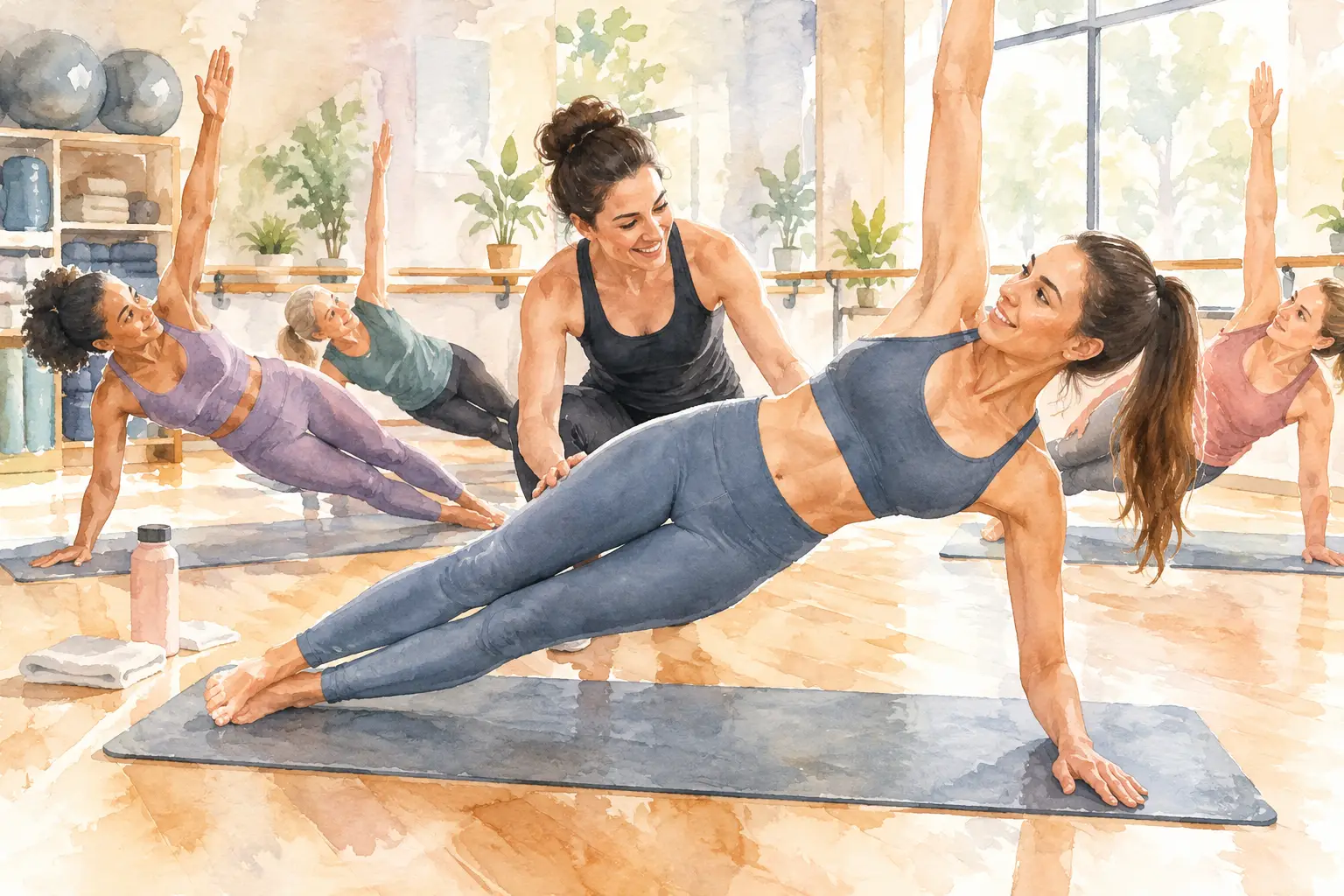
Find the best core stability moves for stronger posture, better balance, and confident low-impact movement, with form tips for every fitness level at home.