
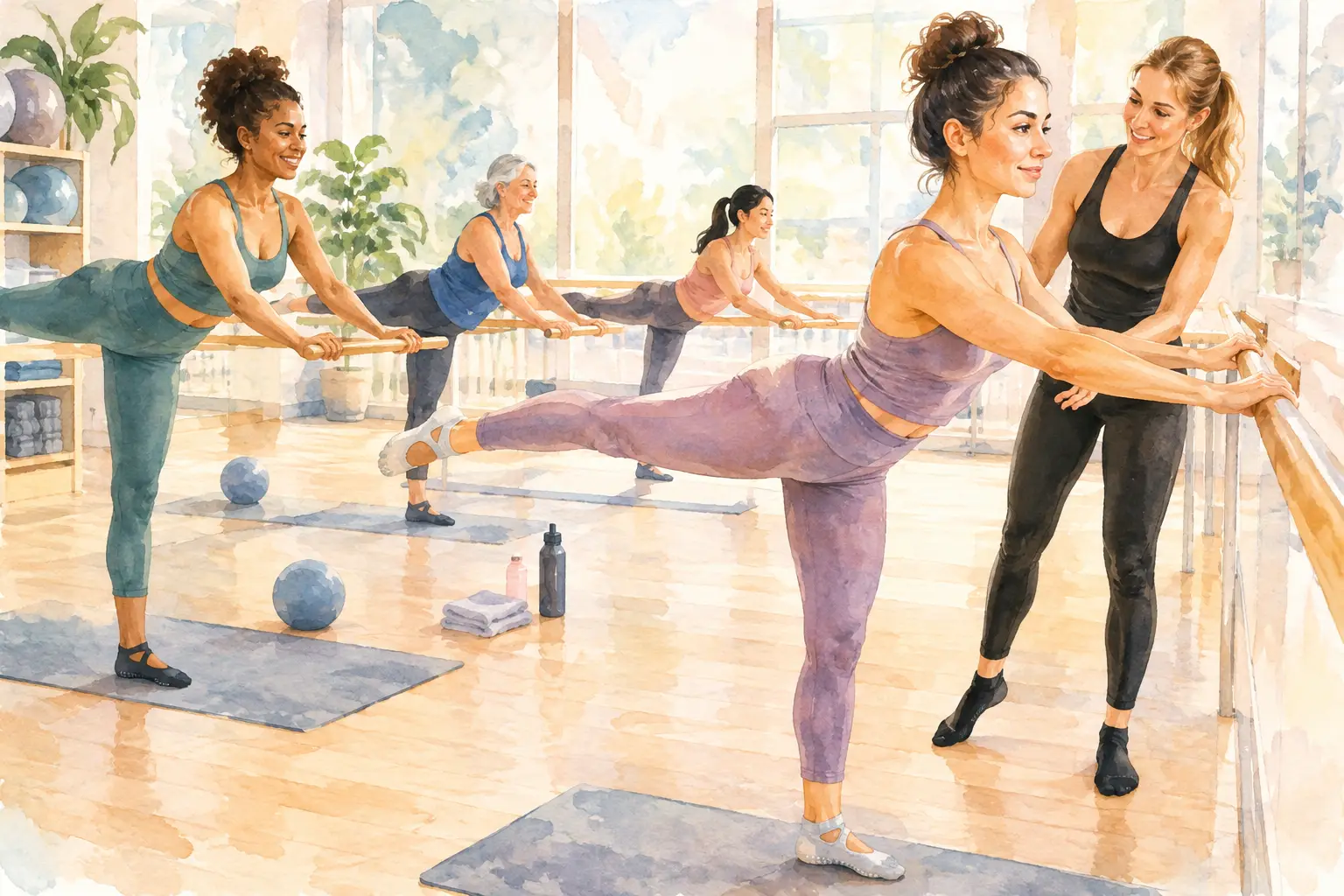
Are Barre Socks Necessary for Every Class?
Are barre socks necessary? Learn when grip socks help with stability and hygiene, when they are required, and how to choose a comfortable pair for class.
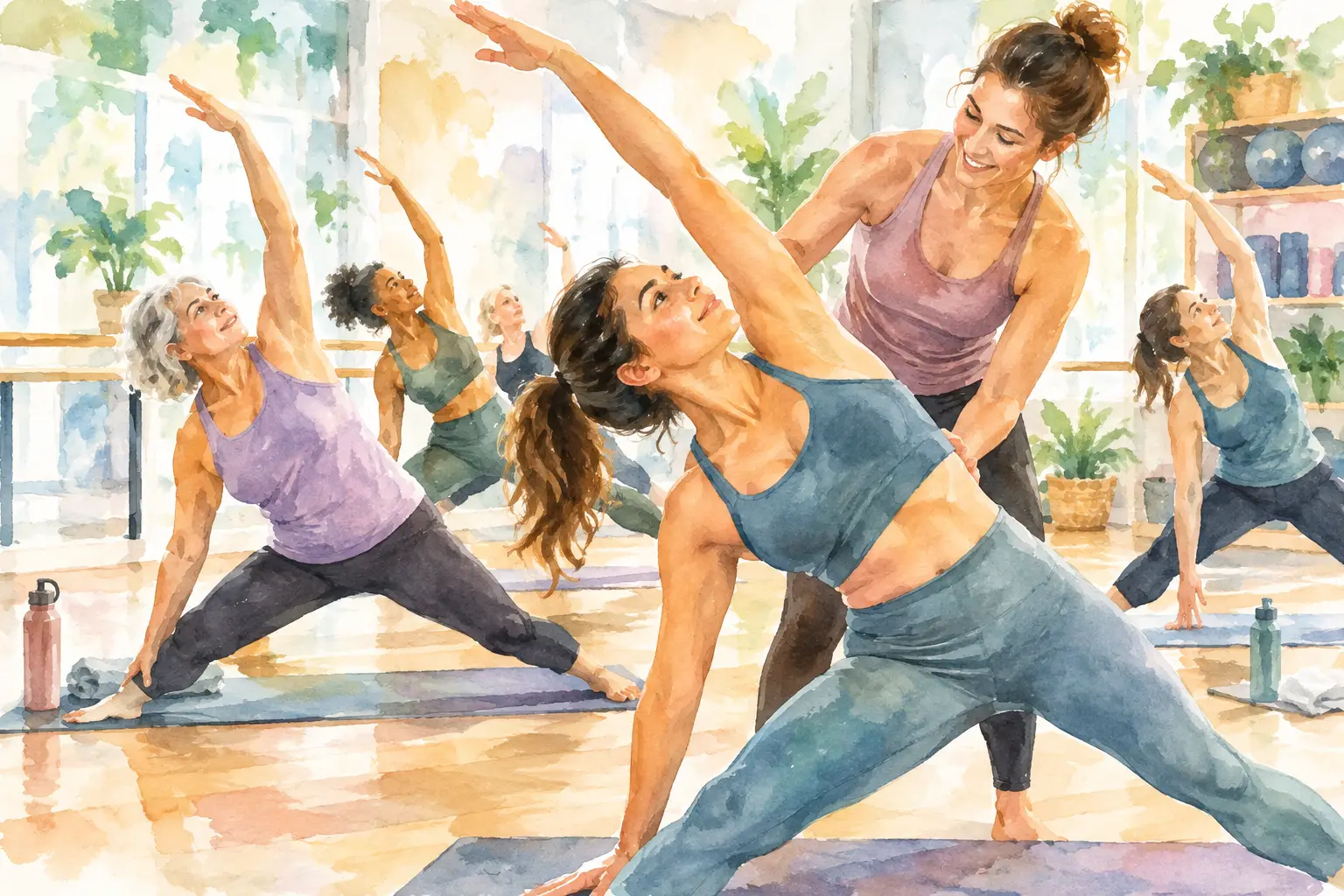
That familiar end-of-day slump is not always about being tired. It can be the result of hours spent at a desk, behind the wheel, carrying bags, or simply moving through life without enough strength to support the way you want to stand. The good news is that posture improvement workout results are not reserved for people with perfect form or years of fitness experience. With consistent, well-coached movement, you can build the strength, mobility, and body awareness that make upright posture feel more natural.
At Sea Barre Fitness, that work happens without pounding your joints or asking you to push through an intimidating workout. Barre, Pilates-inspired strength, yoga, cycling, and personal training each support posture in a slightly different way. Together, they help you create a stronger foundation for how you sit, stand, walk, and feel.
Better posture is often pictured as forcing your shoulders back all day. Real progress is more comfortable and more useful than that. It comes from building strength through your core, back body, hips, and legs while giving tight areas the mobility they need to move well.
You may first notice that it is easier to sit tall during a meeting or drive home without constantly shifting around. Your shoulders may feel less rounded at the end of the day, and your neck may feel less like it is doing all the work. During class, you might find that you can hold a plank, balance in a standing series, or maintain a lifted chest with more control than you could a few weeks earlier.
Visible changes can happen, too, but they tend to be gradual. A more open stance, a steadier walk, and a stronger-looking alignment are often the result of many small habits practiced consistently. The goal is not to hold a stiff, overly corrected position. It is to have the strength and freedom to come back to a supported position without fighting your body.
Posture is not improved by one magic exercise. It responds to a combination of strength, mobility, coordination, and repetition. That is why a varied, low-impact routine can be so effective.
Barre classes use focused, controlled work to challenge the muscles that support your hips, glutes, legs, and core. Those areas matter because a supported lower body makes it easier to stand tall without gripping through your low back or shoulders. The smaller ranges of motion can look simple, but they ask you to pay close attention to alignment and muscle engagement.
Pilates-inspired movement brings even more attention to core control. This is not about pulling your stomach in all day. It is about learning how your deep core supports movement as you reach, rotate, balance, and stabilize. When your center feels more connected, your shoulders and neck do not have to take over every task.
Yoga adds an important counterpart: mobility. Many people carry tension across the chest, upper back, hips, and hamstrings after long stretches of sitting or repetitive daily movement. Gentle, intentional stretching and breath-led movement can help you access a fuller range of motion. Strength without mobility can feel restrictive, while flexibility without strength can be hard to maintain. A balanced routine gives you both.
Indoor cycling can also support better posture when it is taught with thoughtful setup and cues. Building lower-body endurance helps with everyday stamina, while a coach can help you avoid collapsing into the handlebars. It is a reminder that posture is not just about stillness. It is also about how you hold yourself while you move.
Everyone starts from a different place, so results depend on your current routine, how much time you spend sitting, past movement experience, stress, sleep, and class consistency. Still, most people notice encouraging changes before a major visual difference.
Expect awareness first. You may notice that you tend to tip your ribs forward, round your shoulders, lock your knees, or shift more weight into one foot. That awareness is progress, not a problem. A supportive instructor gives you specific cues and options so you can make small adjustments without feeling singled out.
You may also feel muscles you have not been using regularly, especially around your upper back, glutes, and deep core. The work should feel challenging but manageable. Form matters more than making every movement bigger or faster.
With two or three classes per week, many members begin to feel more stable in everyday movement. Getting up from a chair can feel more supported. Carrying groceries, reaching overhead, or standing in line may feel less fatiguing. You may catch yourself sitting taller without having to remind yourself every few minutes.
This is also when balance and coordination often begin to improve. In a barre or yoga class, you might need fewer resets during single-leg work or feel more confident moving through a sequence. Those wins matter because posture is dynamic. Your body needs to make adjustments as you move, not just hold one position for a photo.
Longer-term posture improvement workout results are usually built through routine, not perfection. Your strength can become more dependable, your mobility can feel more available, and your ability to recognize and reset your alignment can become automatic.
This is where a studio routine can make a real difference. Booking your next class, seeing familiar faces, and receiving regular coaching can turn good intentions into a practice you can keep. Some weeks will be busier than others. Coming back is what counts.
Start by choosing classes you enjoy enough to attend consistently. Barre is a strong choice for focused muscle endurance and alignment. Yoga can be especially helpful when you want mobility, balance, and a chance to slow down. Pilates-inspired classes offer detailed core and full-body control, while cycling brings an energizing endurance option to your week. There is no need to choose one format forever. Variety can keep your body challenged and your routine fresh.
During class, treat the instructor’s cues as part of the workout. A simple adjustment such as softening your ribs, relaxing your shoulders, or pressing evenly through both feet can change where you feel an exercise. If you are new, returning after time away, pregnant, or working around a physical limitation, let your coach know. Modifications are a way to make movement work for your body, not a sign that you are behind.
Outside the studio, look for brief chances to practice what you are learning. Place both feet on the floor while working. Take a few shoulder rolls after a long drive. Stand up and move between tasks. These small resets will not replace a workout, but they reinforce the awareness you are building in class.
The biggest mistake is trying to force “good posture” by pulling your shoulders back and holding tension all day. That approach can leave your neck and upper back feeling even tighter. Think of posture as a flexible, supported position that you can return to, rather than a rigid pose you must maintain.
Another common issue is doing only stretching when you feel tight. Stretching can feel wonderful, and it has a valuable place in your routine. But if the muscles that support your posture are not getting stronger, it can be difficult to carry that openness into the rest of your day. Pair mobility with thoughtful strength work.
Finally, do not wait for a perfect schedule. One class is better than none, and a steady twice-weekly routine will often serve you better than a burst of effort followed by a long break. Sustainable fitness has room for real life.
A posture-focused workout should leave you feeling more capable, not picked apart. The right class environment gives you room to learn, ask questions, take options, and celebrate the small shifts that add up over time. Whether your goal is to feel stronger at your desk, move with more ease around the Delaware beaches, or reconnect with a fitness routine that feels good, start with one coached class and let your body show you what consistent care can do.
Are barre socks necessary? Learn when grip socks help with stability and hygiene, when they are required, and how to choose a comfortable pair for class.
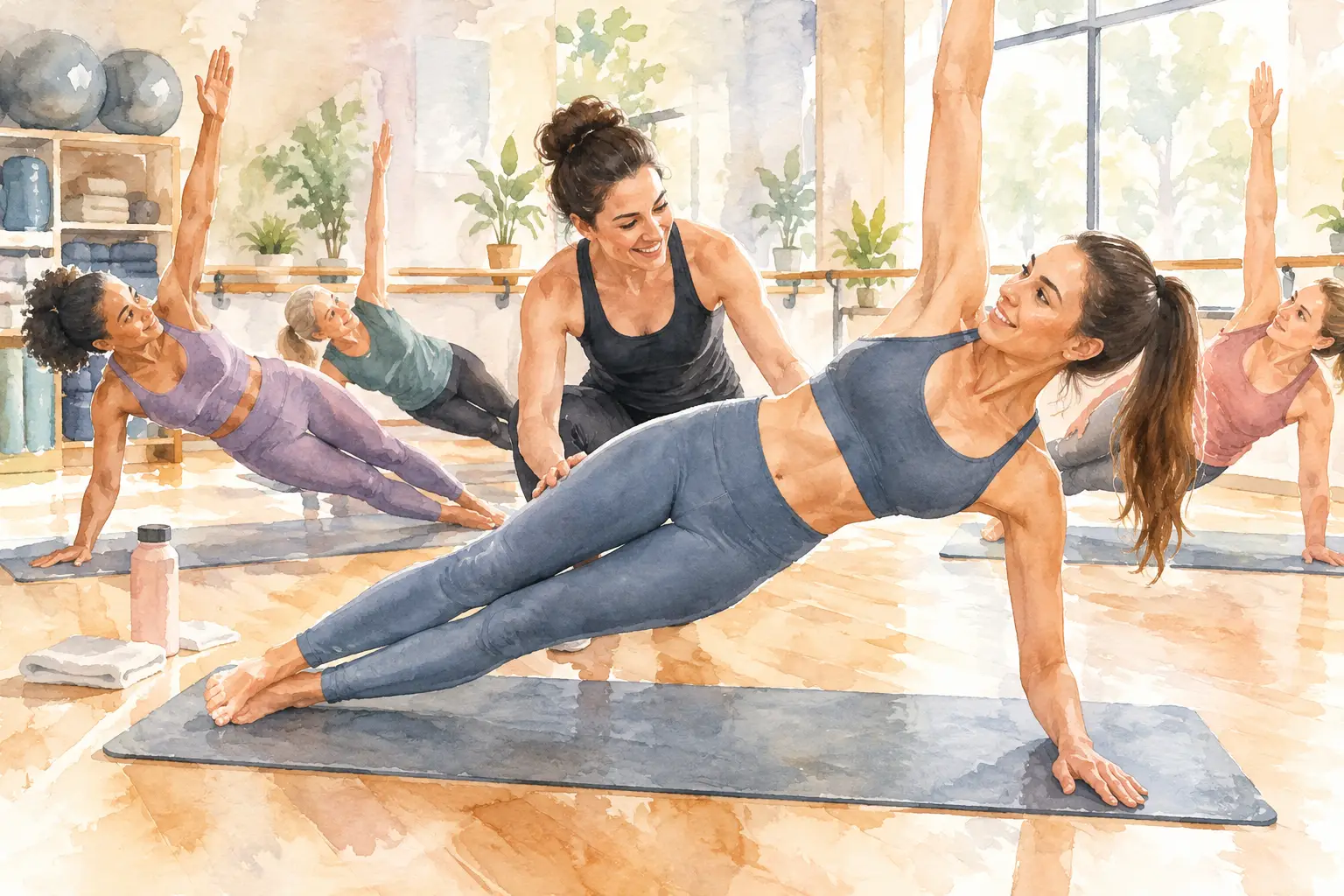
Find the best core stability moves for stronger posture, better balance, and confident low-impact movement, with form tips for every fitness level at home.