
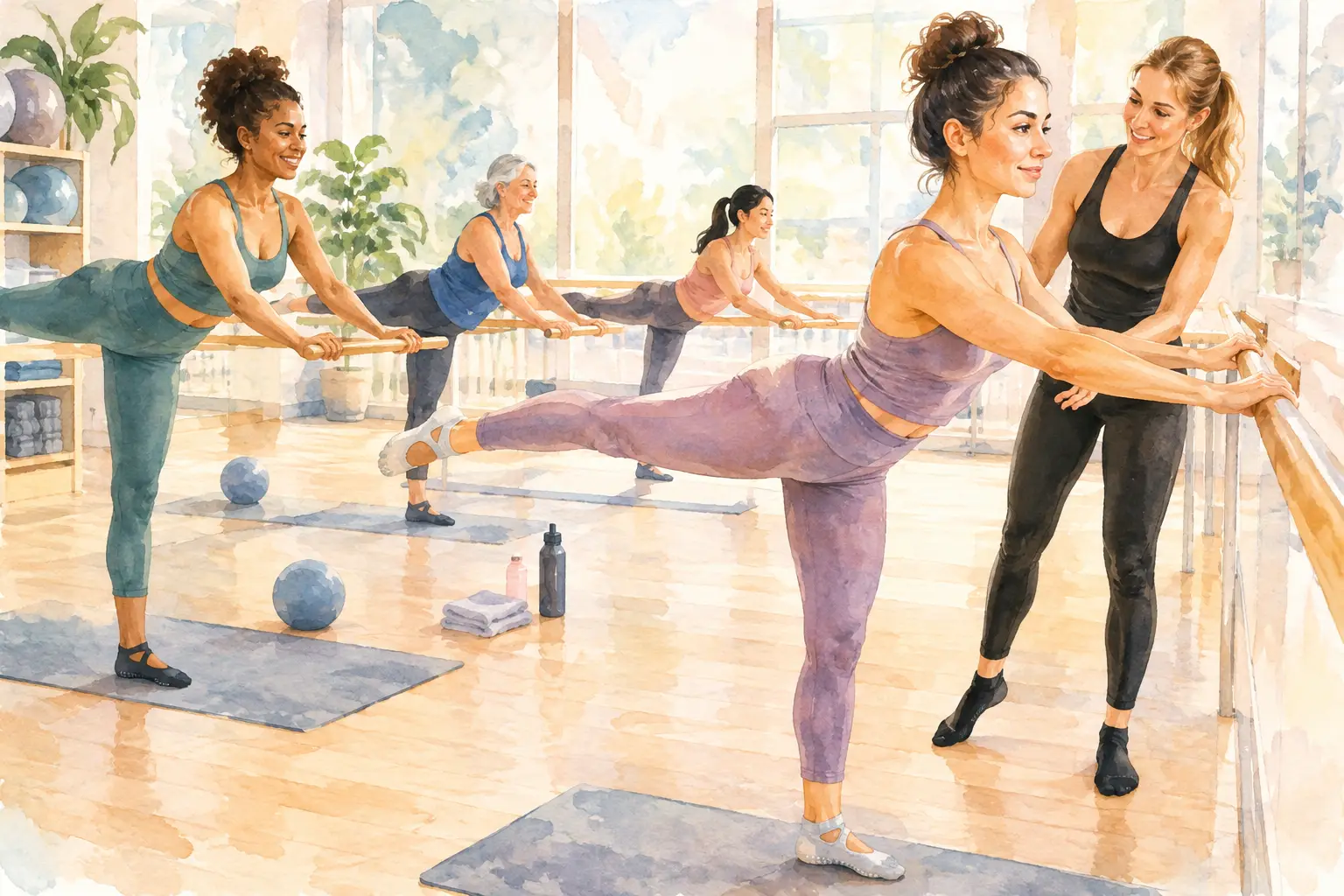
Are Barre Socks Necessary for Every Class?
Are barre socks necessary? Learn when grip socks help with stability and hygiene, when they are required, and how to choose a comfortable pair for class.
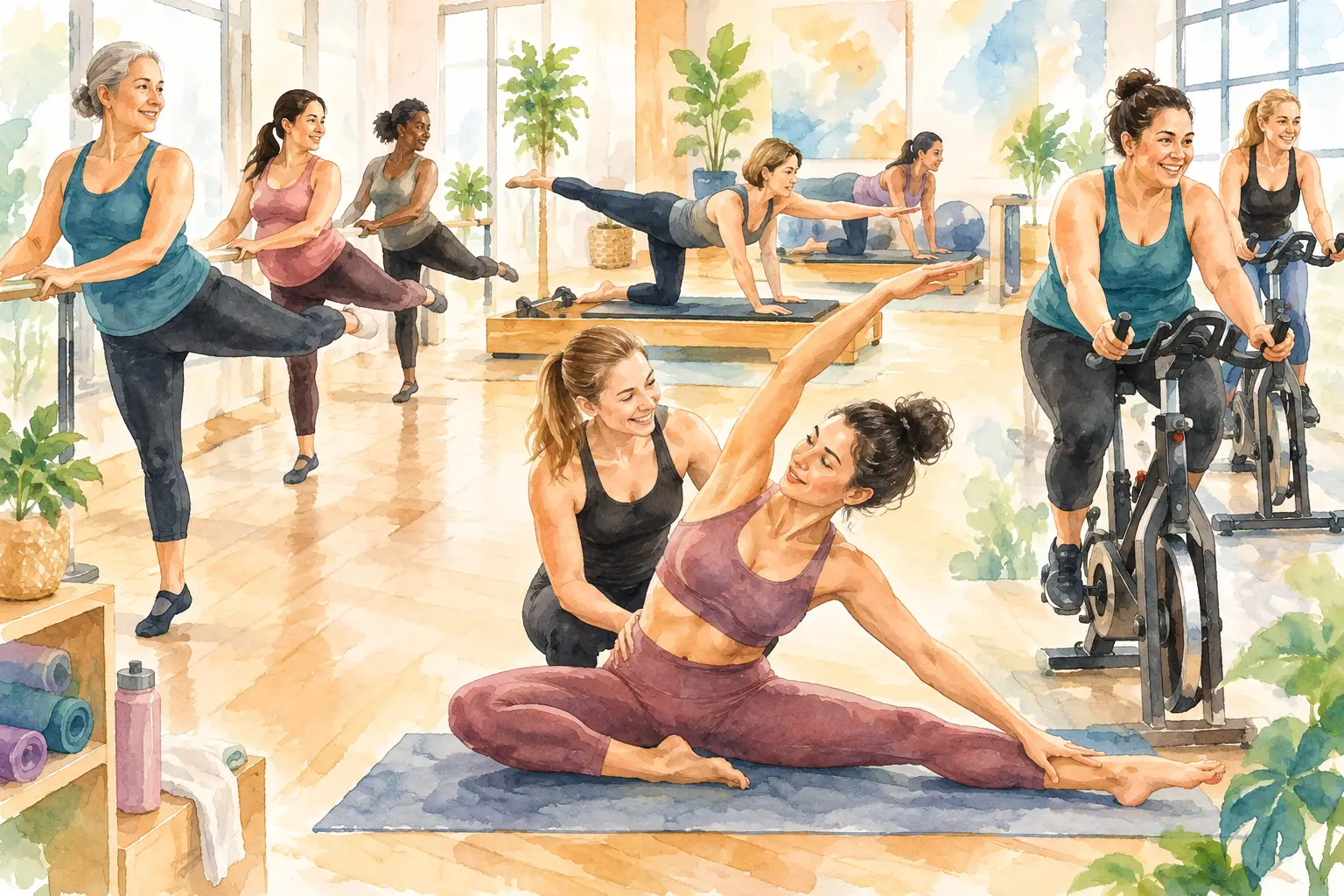
A challenging class should leave you feeling capable, not like you had to ignore your body to keep up. This exercise modification guide is built around a simple idea: you can adjust a movement and still get meaningful benefits for strength, mobility, posture, balance, and stamina. In fact, choosing the version that lets you move with control is often the smartest way to build a routine that lasts.
At Sea Barre Fitness, modifications are not a separate track for beginners or a sign that you are behind. They are part of thoughtful, coach-led movement. Whether you are returning to fitness, navigating pregnancy, managing a temporary limitation, or simply having a lower-energy day, there is room to make a class work for you.
An exercise modification changes one element of a movement so it better matches your body, energy, experience, or comfort that day. You might make the range of motion smaller, use the wall or barre for support, slow the pace, reduce resistance, or choose a different position.
The goal is not to make a workout easy. It is to make it effective. If a deeper squat causes you to lose alignment, a smaller squat with steady knees and a lifted chest will usually help you work more intentionally. If a plank on the floor makes your shoulders feel unstable, an incline plank at the barre can help you strengthen through the same pattern with more control.
Think of modifications as choices, not shortcuts. The best option is the one that allows you to breathe, stay present, and feel the intended muscles working without forcing your body into a position it is not ready for.
Before changing an exercise, ask what the movement is meant to train. Is the focus on core stability, lower-body strength, balance, flexibility, or cardiovascular endurance? Once you know the purpose, you can adjust the exercise without losing what makes it valuable.
For example, a lunge may be intended to strengthen the legs and challenge balance. Holding the barre, shortening your stance, or lowering only a few inches can preserve that goal. In a cycling class, the purpose of a hill may be to build endurance. You can turn down the resistance and remain seated while still working steadily with the group.
This mindset keeps you from feeling as though you have to copy every detail of the person on the mat beside you. Your best class is not defined by the largest movement, the fastest pace, or the highest setting. It is defined by consistent effort and solid form.
When a movement feels too intense, unstable, or unfamiliar, start with one of these adjustments:
You do not have to use every adjustment at once. One small change can make a major difference in how a movement feels.
Barre and Pilates-inspired classes often use small, focused movements that ask a lot from stabilizing muscles. That is part of their magic, but it can also make a new position feel surprisingly challenging.
During thigh work at the barre, keep your bend shallow if your knees do not feel comfortable at a deeper level. Place your hands lightly on the barre rather than gripping it tightly, and think about lengthening through the top of your head. If you lose your posture, come up a little higher before continuing.
For core exercises, it is completely appropriate to keep one foot on the floor, bend both knees, or place your hands behind your head for gentle support. In a tabletop position, elevate your hands to the barre if being on the floor is not the right fit that day. The goal is to feel your abdominal muscles supporting you, not to strain through your neck or hold your breath.
Balance work can also be scaled beautifully. If a single-leg position feels wobbly, keep your toes on the floor like a kickstand or hold the barre with one hand. As your confidence grows, you can gradually use less support. Progress does not have to be dramatic to be real.
Yoga asks you to listen closely. Some days a pose may feel open and steady; on another day, the same pose may ask for a different approach. That variation is normal.
Blocks are especially helpful for bringing the floor closer to you in folds, lunges, and standing poses. A bent knee in a forward fold can make room for your back and hamstrings. In downward-facing dog, bending the knees or taking the pose at the wall can help you find length without feeling pressured to force straight legs or deep heels.
For kneeling shapes, add cushioning beneath your knees. In seated poses, sit on a folded blanket or block to help your spine feel more upright. If a twist feels restricted, make it smaller and focus on growing taller first. Gentle, supported movement can be every bit as purposeful as the fullest expression of a pose.
Indoor cycling gives you several easy ways to personalize your effort: resistance, speed, body position, and duration of an effort. You can make thoughtful choices while staying connected to the energy of the room.
If an out-of-saddle climb feels too demanding, remain seated and add only enough resistance to feel supported through the pedal stroke. If fast intervals make you lose control of your cadence, choose a steadier speed. Keep your shoulders relaxed, your hands light on the handlebars, and your core engaged so your legs can do the work.
There is a difference between a productive challenge and a setting that pulls you out of your form. Rather than chasing someone else’s resistance number, aim for an effort that feels focused and sustainable. Over time, those consistent rides build confidence and cardiovascular stamina.
A coach can offer better options when they know what you need. Arrive a few minutes early and share whether you are new to the format, returning after time away, pregnant, or working around a limitation that affects your movement. You do not need to explain every detail. A simple heads-up gives your instructor a chance to point out helpful setup choices and alternatives.
If you have been given individual movement restrictions by a qualified health professional, follow those directions and let your instructor know. During class, pause and check in if something feels sharp, alarming, or unlike normal muscle effort. Choosing to rest, reset, or switch to a gentler option is a confident decision.
Progress is not always about going lower, lifting higher, or moving faster. You may be ready for the next version of an exercise when you can maintain your alignment, breathe steadily, and finish the current version without feeling rushed or unstable.
Try progressing one variable at a time. Use a little less support in balance work, increase your range by a small amount, hold a position for a few extra breaths, or add a touch more resistance on the bike. Give your body time to learn the new demand before adding another.
Some days you will choose the fuller expression of a movement. Other days, the modified version will be exactly right. Both choices belong in a strong fitness routine.
The most rewarding movement practice is the one you can return to with trust. Meet yourself where you are, let your instructor guide the details, and keep choosing the version that helps you leave class feeling stronger, steadier, and ready to come back.
Are barre socks necessary? Learn when grip socks help with stability and hygiene, when they are required, and how to choose a comfortable pair for class.
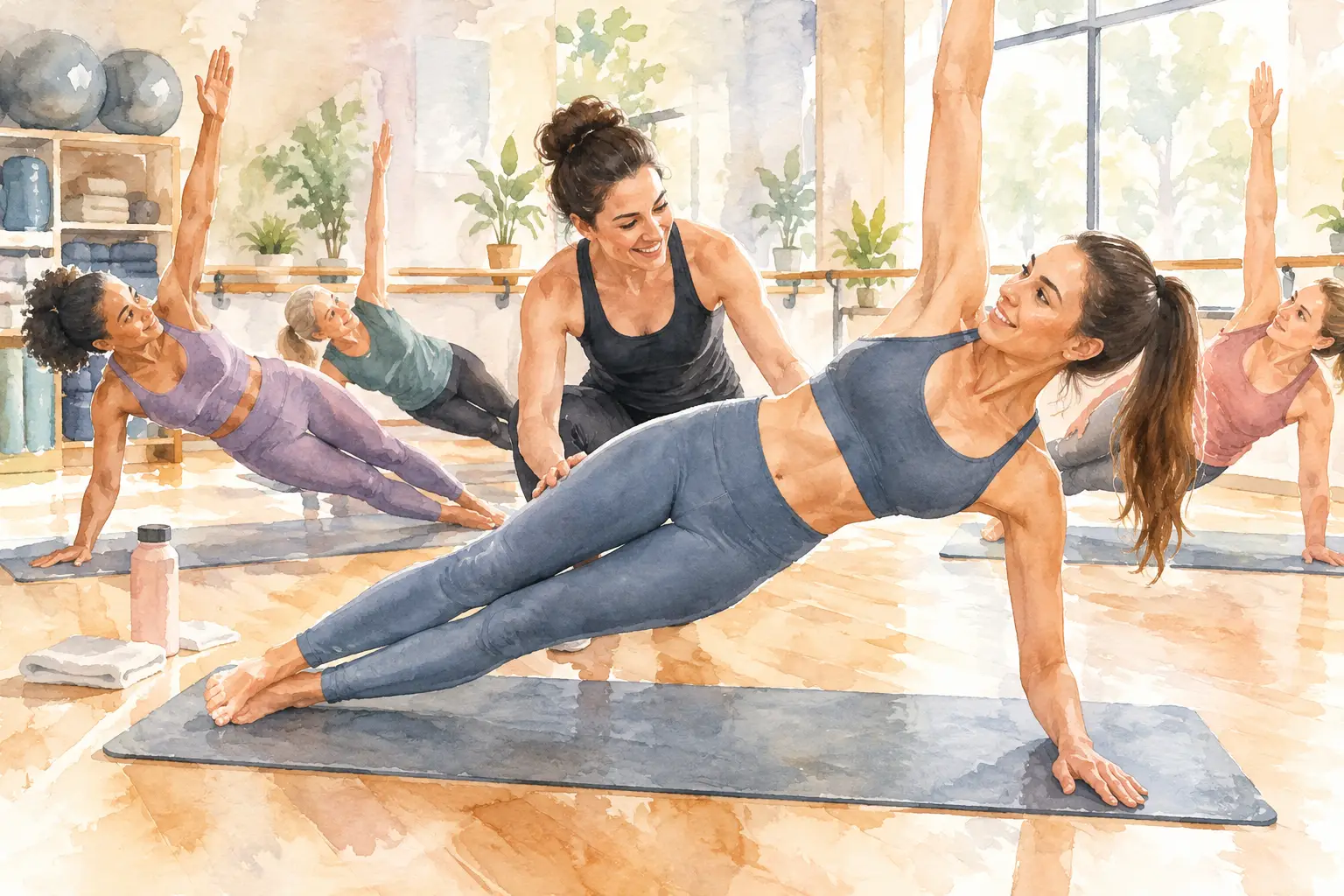
Find the best core stability moves for stronger posture, better balance, and confident low-impact movement, with form tips for every fitness level at home.