
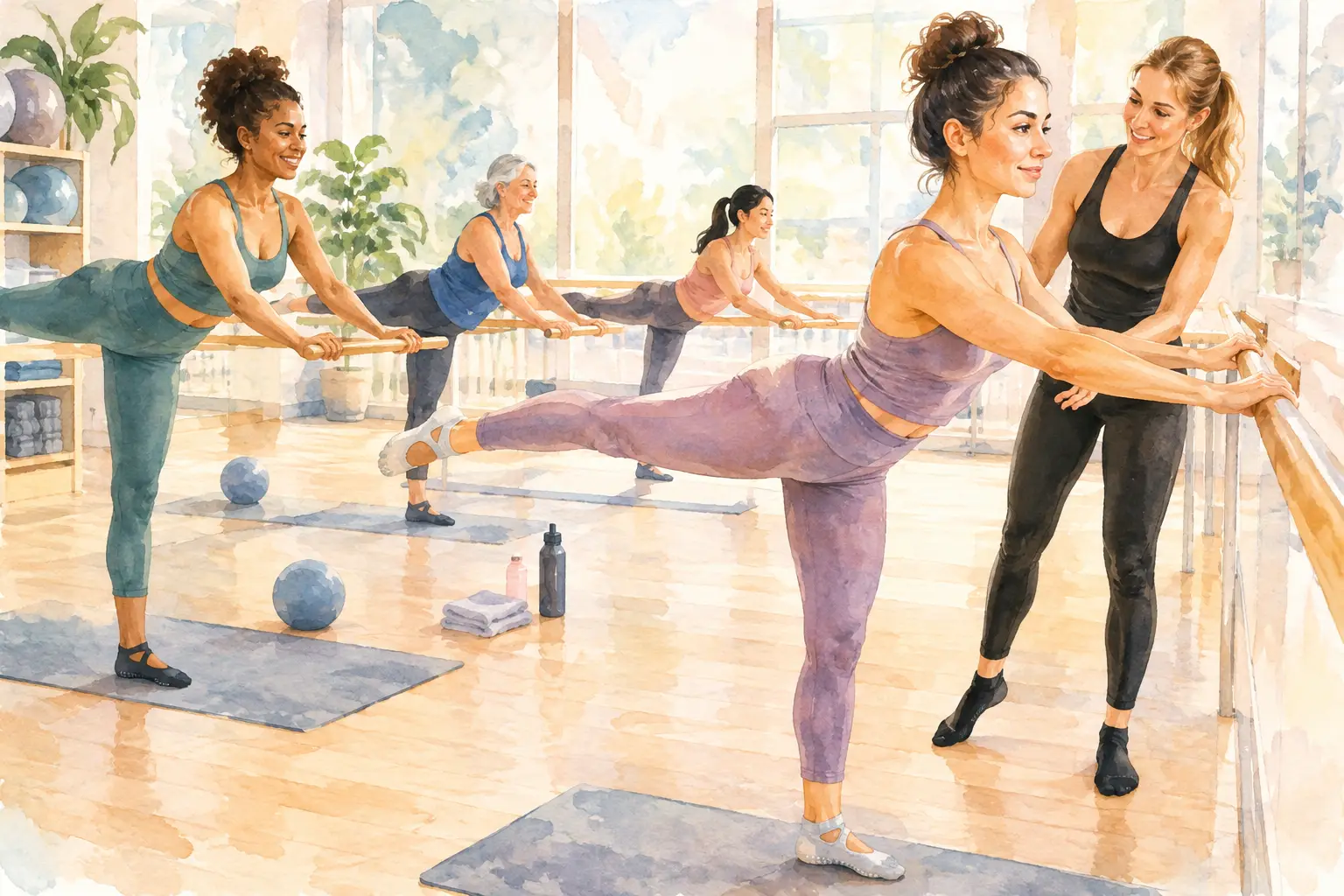
Are Barre Socks Necessary for Every Class?
Are barre socks necessary? Learn when grip socks help with stability and hygiene, when they are required, and how to choose a comfortable pair for class.
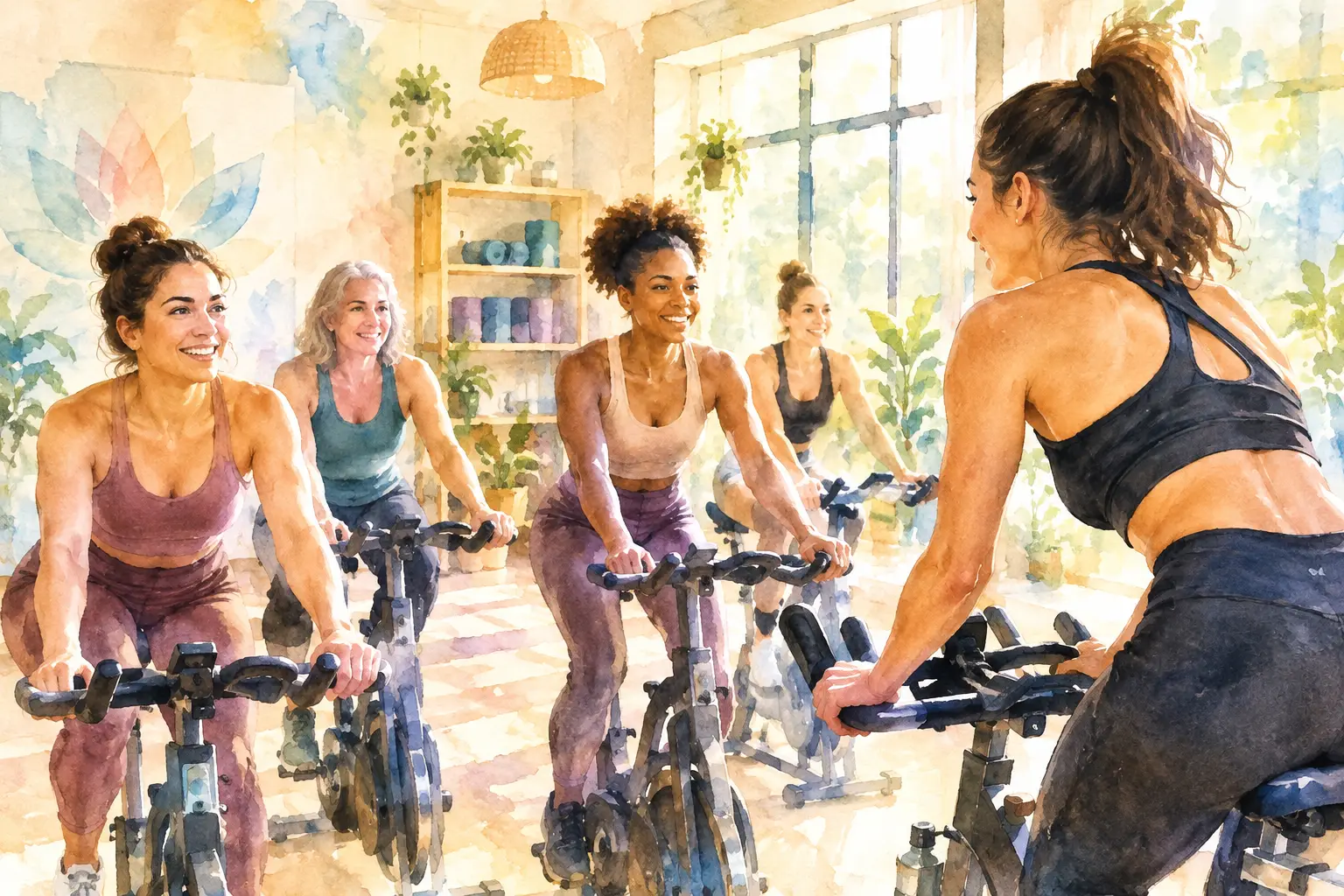
The moment a cycling class asks you to stay with a climb a little longer, it can feel like your legs got the memo before your confidence did. The good news is that learning how to build cycling endurance is not about pushing through every ride at maximum effort. It is about giving your body a steady, supportive reason to adapt – one class, one recovery day, and one small win at a time.
Endurance means you can keep moving with control, breathe more comfortably, and recover faster between efforts. Whether you are new to indoor cycling, returning to a routine, or ready to feel stronger through longer rides, the most lasting progress comes from consistency rather than intensity alone.
It is tempting to judge a ride by the biggest number on the bike screen or the hardest hill in the playlist. But endurance is built in the efforts you can repeat week after week. If every class leaves you completely drained for several days, the pace may be too high for where you are right now.
During much of your ride, aim for an effort where you are working but still able to say a short sentence. Your breath should feel purposeful, not panicked. This is often called a steady or conversational effort, and it teaches your body to stay active for longer without needing to stop or slow dramatically.
For beginners, that might mean riding at a lighter resistance than the person beside you, or remaining seated during part of a climb. That is not falling behind. It is smart pacing. A supportive instructor can help you find the resistance and cadence that let you maintain good form while still feeling challenged.
A strong routine does not require daily cycling. In fact, recovery is part of the plan. Start with two indoor cycling classes per week if you are new or returning to exercise. Leave at least one easier day between rides, especially at first. Walking, gentle yoga, mobility work, or a restorative day can help you come back feeling ready to move.
Once two rides feel manageable, add a third weekly session or extend the amount of time you spend at a comfortable, steady pace during class. Keep that change for a couple of weeks before adding more. Your breathing may become calmer, your legs may feel less heavy on climbs, and your recovery between songs may improve. Those are meaningful signs of progress.
More is not always better. If your sleep is off, your legs feel unusually tired, or you find yourself dreading class, hold your current schedule for another week. Consistency works best when it fits your real life, not an idealized calendar.
Steady riding builds the foundation, while intervals add a useful challenge. An interval is simply a brief period of increased effort followed by enough recovery to do it again with intention. In an indoor cycling class, this may look like a faster cadence for 30 seconds, a controlled hill, then an easier stretch to reset your breath.
The key is not making every interval all-out. Think of your harder efforts as focused moments, not a test of willpower. You should be able to settle your breathing during the recovery portion and return to a smooth pedal stroke before the next push.
If you are newer to cycling, choose one thing to prioritize during intervals: a little more resistance, a slightly quicker cadence, or a stronger posture. Trying to do everything at once can make form unravel. As your endurance grows, those short efforts will feel more manageable, and your steady pace will naturally become stronger too.
Endurance is not only about your legs. Small adjustments in posture can make a ride feel more comfortable and efficient.
Keep a soft bend in your elbows instead of locking your arms. Relax your shoulders away from your ears, keep your hands light on the handlebars, and let your core support your torso. When you stand out of the saddle, think about lifting through your center rather than leaning all of your weight into the bars.
Pedal with control through the full circle instead of stomping down on each stroke. You do not need to force the movement. A smooth, connected pedal stroke can help reduce the bouncing and gripping that wastes energy during longer rides.
This is where coach-led classes make a real difference. A quick form cue can help you find more power from your legs and core while keeping the ride low-impact and joint-friendly. If something feels uncomfortable, adjust your resistance, stay seated, or ask for guidance after class. You are allowed to make the ride work for your body.
Cycling endurance benefits from strength, mobility, and recovery. You do not need an intense training schedule outside the studio, but a balanced routine helps you feel more stable on the bike and more resilient from class to class.
Barre and Pilates-inspired movement can build strength through the glutes, legs, and core, which support a steadier pedal stroke and upright posture. Yoga and mobility work can help you release tightness through the hips, back, and shoulders after time on the bike. These practices also give your body variety, which can make a weekly routine feel more enjoyable and sustainable.
Simple everyday habits matter, too. Arrive hydrated, especially for a warm or high-energy class. Eat regular meals that help you feel fueled, and avoid treating food as something you have to earn through exercise. After a ride, give yourself time to cool down and notice how your body feels. A few calm minutes can make the transition from a challenging workout to the rest of your day much easier.
Numbers can be helpful, but they are not the only proof that your endurance is improving. Maybe you can hold a steady pace through an entire song without backing off. Maybe your legs recover more quickly after a climb, or you leave class energized instead of wiped out. Maybe you are more confident adjusting resistance on your own.
Those changes count because they show that your fitness is becoming useful in a real, felt way. Keep a short note after class once a week: how challenging the ride felt, what you did well, and one thing you want to try next time. This creates a clearer picture of progress than comparing one ride to another on a day when sleep, stress, or energy may be different.
It also helps to remember that progress is rarely perfectly linear. Some weeks will feel strong, while others call for a lighter ride. Both belong in a sustainable fitness routine.
Motivation is easier to maintain when cycling is part of your week rather than another item you have to force yourself to complete. Book classes at times that realistically work for your schedule. Lay out what you need ahead of time. Let a friend know you are going, or introduce yourself to the instructor when you arrive.
At Sea Barre Fitness, every ride can be adapted to meet you where you are, whether that means choosing a lighter resistance, taking additional recovery, or gradually building toward longer efforts. The goal is not to match anyone else’s bike. It is to leave feeling proud that you showed up and gave your body the right kind of challenge.
Your endurance grows each time you choose a pace you can return to. Keep showing up, listen to your body, and let the stronger, steadier rides build from there.
Are barre socks necessary? Learn when grip socks help with stability and hygiene, when they are required, and how to choose a comfortable pair for class.
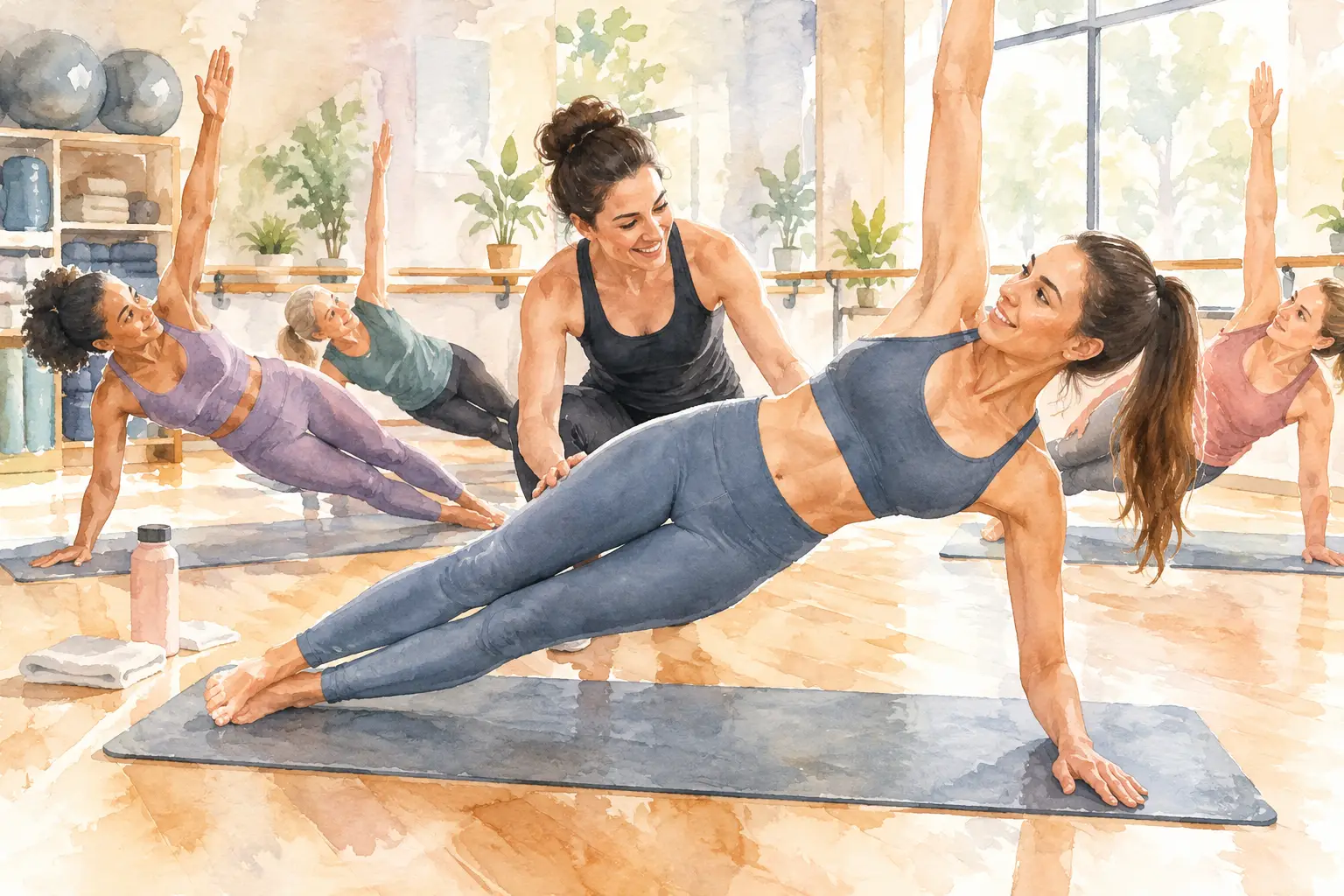
Find the best core stability moves for stronger posture, better balance, and confident low-impact movement, with form tips for every fitness level at home.