
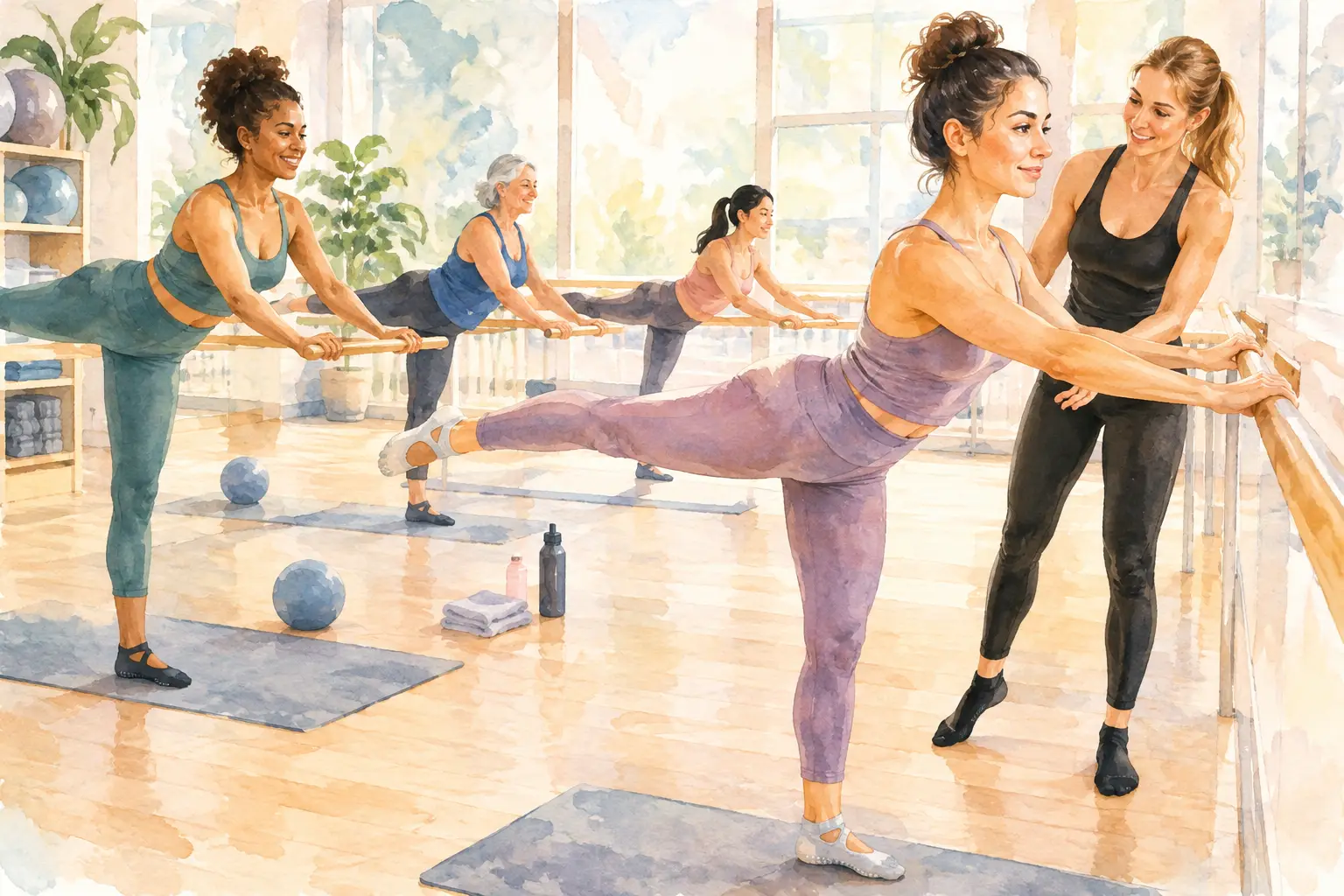
Are Barre Socks Necessary for Every Class?
Are barre socks necessary? Learn when grip socks help with stability and hygiene, when they are required, and how to choose a comfortable pair for class.
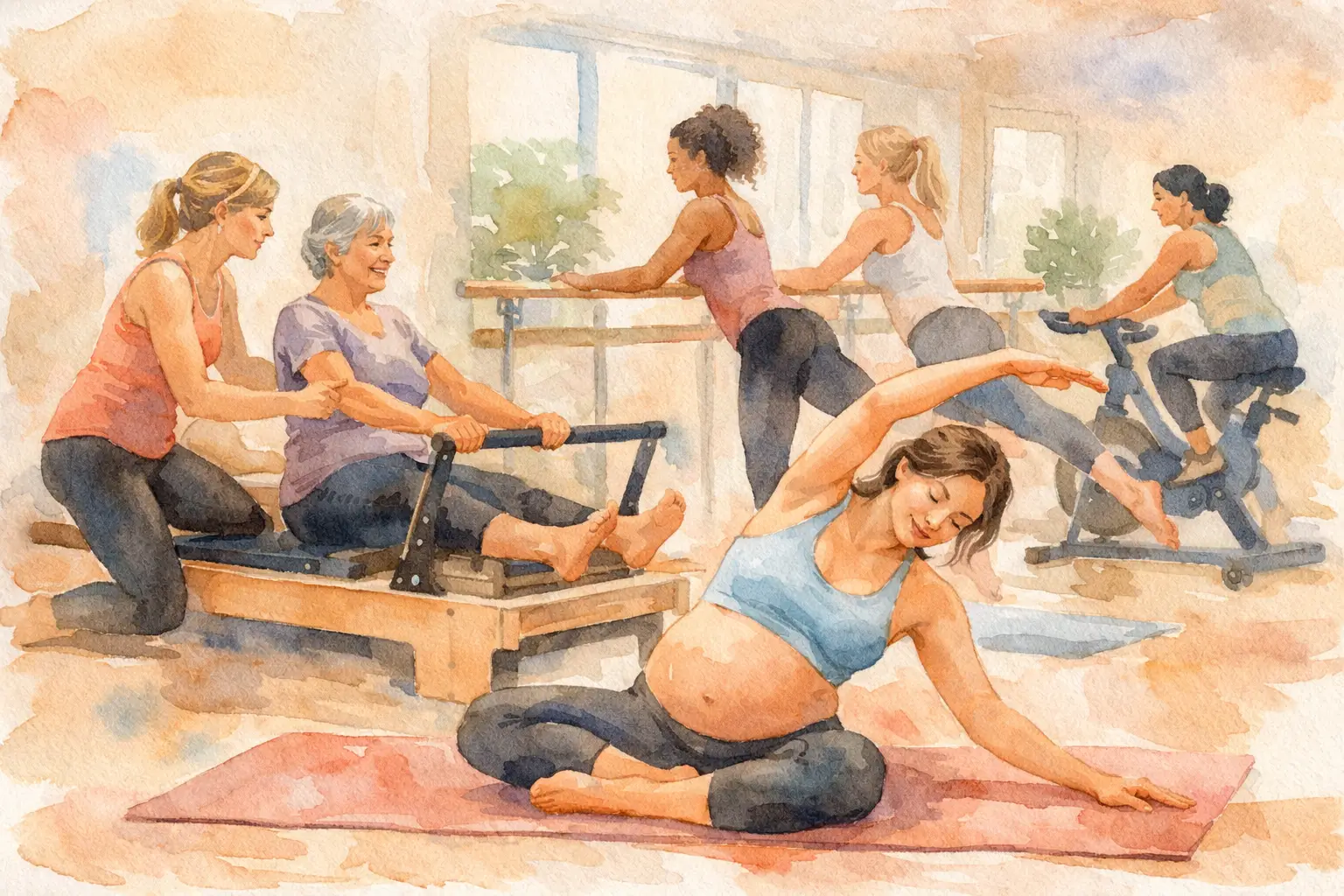
The workout that felt perfect a few months ago can feel completely different once pregnancy enters the picture. Maybe your energy changes by the hour, your usual core work no longer feels right, or you simply want a place where you do not have to explain why you need to modify. Prenatal fitness is not about pushing through your routine as if nothing has changed. It is about staying connected to movement in ways that feel supported, capable, and realistic for your body now.
For many expecting clients, a consistent low-impact routine can be a grounding part of the week. It creates time to breathe, move with intention, build everyday strength, and be around people who understand that every class may look a little different. The goal is never to keep up with someone else. The goal is to leave feeling stronger, more comfortable, and proud that you showed up.
Prenatal movement does not need to mean sitting out or settling for an overly gentle experience. With appropriate guidance, barre, yoga, Pilates-inspired strength work, and indoor cycling can all offer adaptable ways to support mobility, posture, stamina, balance, and muscular endurance.
The best format depends on your background, how you feel that day, your stage of pregnancy, and guidance from your prenatal care team. Someone who has enjoyed cycling for years may be comfortable with a scaled, upright ride. Someone returning to exercise may prefer a steady barre class with extra time to learn alignment. Both approaches count.
A thoughtful class makes room for choices. That may mean taking a wider stance, using the barre or a chair for balance, lowering resistance, choosing a shorter range of motion, or resting before you feel depleted. Modifications are not a lesser version of the workout. They are how the workout becomes yours.
Pregnancy asks a lot of the body outside the studio. Getting up from the couch, carrying groceries, climbing stairs, finding a comfortable sleeping position, and keeping up with family can all feel different. Controlled lower-body work, posture-focused upper-body exercises, and functional balance practice can help you feel more prepared for those everyday moments.
Barre-inspired movement is especially useful for building endurance through smaller, intentional repetitions. The focus is not on heavy loading or dramatic intensity. It is on learning how to engage muscles with care, maintain steady alignment, and move with control. That kind of strength can feel both challenging and joint-friendly.
As your body changes, it is common to notice that familiar positions need an adjustment. A coach can offer options for standing, seated, side-lying, or supported movement so you can continue working on flexibility and mobility without forcing a shape that does not feel available.
Yoga-inspired movement can be a valuable space to slow down and notice those signals. Gentle stretching, supported balance work, and breath-led transitions can help you reset after a long day. The point is not to reach the deepest stretch. It is to move with enough ease that you can stay present in your body.
Posture deserves attention, too. As daily habits and body mechanics shift, exercises that encourage upper-back strength, shoulder mobility, and steady standing alignment can make a meaningful difference in how supported you feel. Think less about holding a perfect pose and more about having options that help you stand tall, breathe freely, and move comfortably.
A prenatal-friendly experience starts before the first exercise. Ask whether the instructor is prepared to offer modifications, whether they welcome clients at different fitness levels, and whether you can talk through your needs before class begins. A warm, confident answer matters. You deserve a coach who sees adjustments as a normal part of great instruction, not an interruption.
It also helps to choose a studio environment where you can work at your own pace. In a supportive boutique class, you should not feel pressure to match the person on the bike beside you or to hold a position longer than feels right. Clear coaching, thoughtful form cues, and permission to pause create a far better experience than a one-size-fits-all workout.
At Sea Barre Fitness, the class experience is built around instructor-led support and low-impact strength. That can make it easier to stay connected to a routine while honoring the changes pregnancy brings. Let your instructor know you are pregnant before class, share any movement guidance you have received, and keep the conversation going as your needs evolve.
Before beginning a new fitness routine or changing an established one during pregnancy, check in with your prenatal care team. They know your individual circumstances and can help you understand what is appropriate for you. Their guidance should always come first.
Then be honest about your starting point. If movement has not been part of your week lately, beginning with one or two classes and leaving plenty of room to recover may be the most sustainable choice. If you already exercise regularly, you may still need to adjust pace, position, duration, or intensity as pregnancy progresses.
This is one area where more is not automatically better. A shorter class taken with attention can be more rewarding than trying to recreate a pre-pregnancy routine that no longer matches your energy or comfort. Consistency is built by choosing movement you can return to, not by proving how hard you can go.
Your needs can shift from one trimester to the next, and sometimes from one day to the next. Keep a flexible mindset. The class plan is a starting point, not a contract.
Pay attention to breathing. If you cannot speak comfortably in short phrases, reduce the pace or resistance and take a recovery moment. Choose stable, supported positions when balance feels less predictable. If a movement creates discomfort, dizziness, unusual shortness of breath, bleeding, fluid leakage, chest pain, or anything that concerns you, stop and seek guidance from your prenatal care provider.
For core-focused work, the quality of engagement matters more than the number of repetitions. A knowledgeable instructor can offer alternatives that emphasize breath, alignment, and deep support rather than asking you to strain through a familiar exercise. The same principle applies to flexibility: avoid treating every class as a test of how far you can go. Gentle, controlled range often serves you better than chasing intensity.
Hydration, comfortable clothing, and an easy snack plan can also make your class feel much better. Give yourself extra time to arrive, set up your space, and talk to the coach. A few minutes of preparation can remove the pressure to rush.
There is a particular kind of confidence that comes from knowing how to adapt. It is the confidence to take the lighter option without apology, to choose a seated variation when it serves you, and to leave class energized rather than wiped out. That is not backing off. That is listening well.
Prenatal fitness can also be a welcome reminder that your body is still yours to care for. It can be a place to move, breathe, laugh with a familiar classmate, and reconnect with what feels good. Some weeks, that may mean a strength-focused barre class. Other weeks, it may mean a few supported yoga movements and an early night. Both are valid.
Give yourself permission to build a routine that changes with you. Find coaches who make room for questions, choose movement that feels supportive rather than performative, and let each class be a small vote for your strength and well-being.
Are barre socks necessary? Learn when grip socks help with stability and hygiene, when they are required, and how to choose a comfortable pair for class.
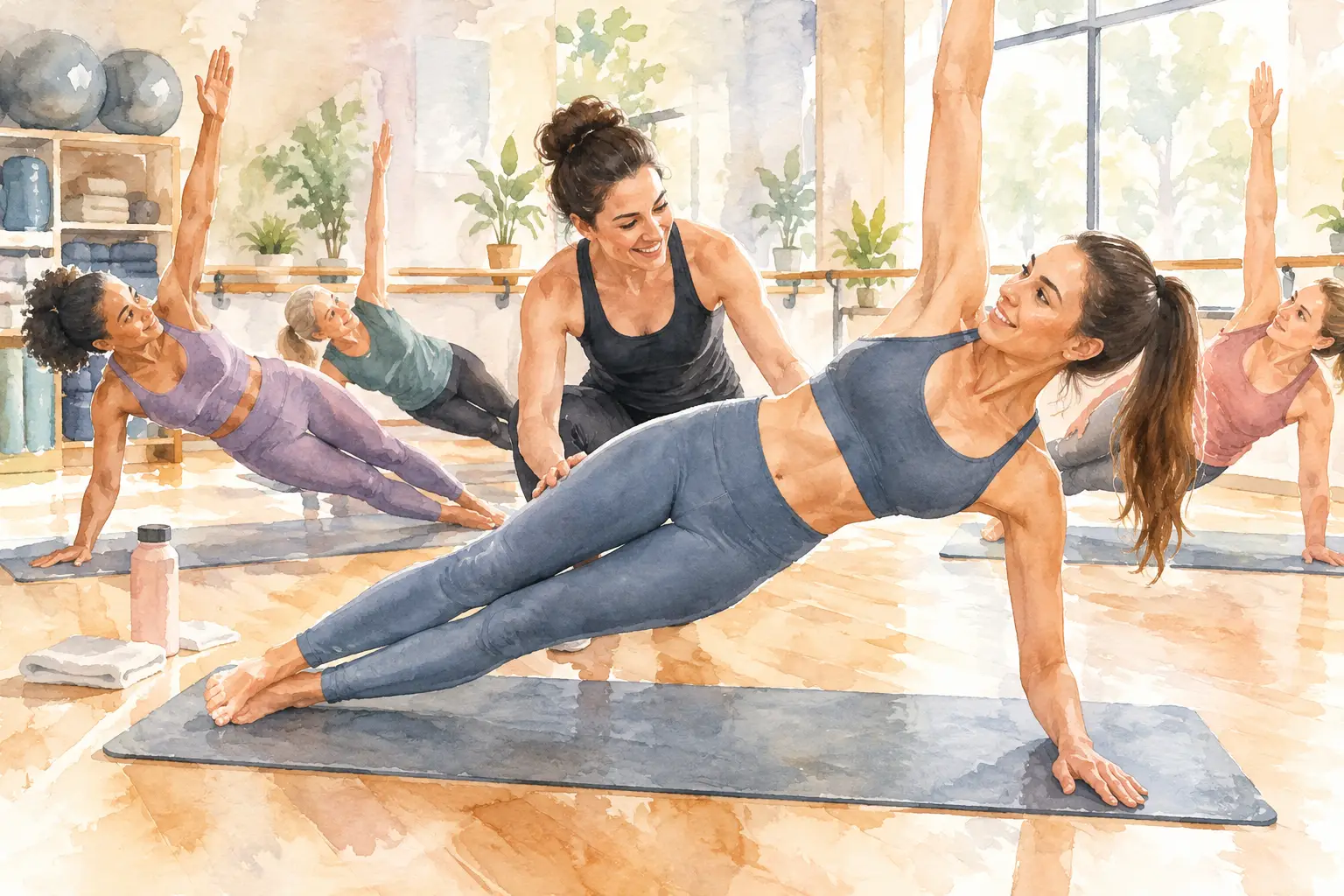
Find the best core stability moves for stronger posture, better balance, and confident low-impact movement, with form tips for every fitness level at home.