
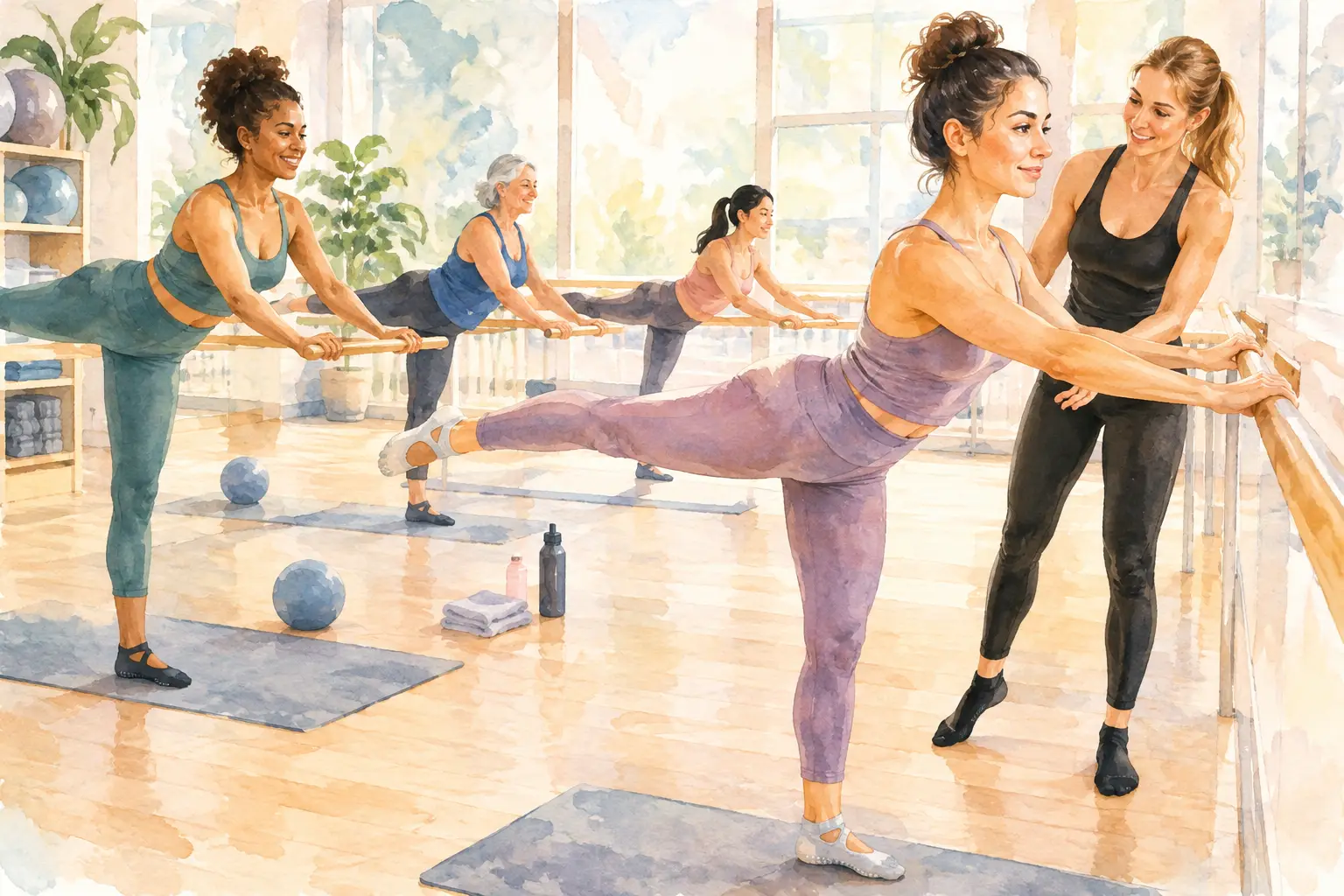
Are Barre Socks Necessary for Every Class?
Are barre socks necessary? Learn when grip socks help with stability and hygiene, when they are required, and how to choose a comfortable pair for class.
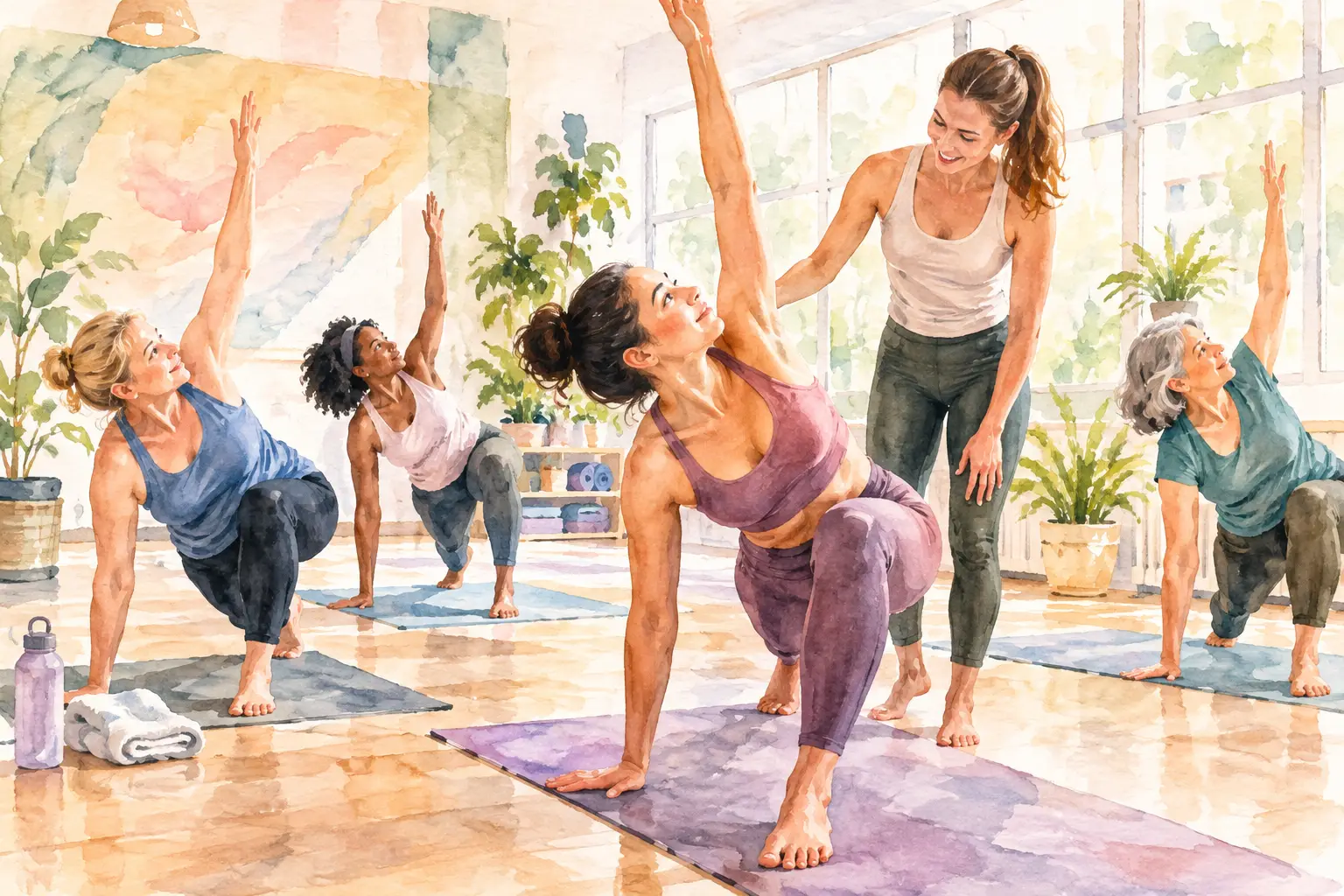
The best yoga class is not necessarily the one with the most advanced poses, the fullest room, or the trendiest name. It is the class you can walk into, breathe deeply in, and want to return to next week. When you are learning how to choose yoga classes, start with one simple question: what would feel good and useful in your body right now?
Maybe you want to loosen up after long days at a desk, build core strength without hard impact, feel steadier on your feet, or create a calm hour that belongs only to you. Those are all worthwhile reasons to begin. The right class supports your goals while meeting you where you are, whether you are brand-new to yoga, returning after a break, or looking for a fresh way to move.
Yoga is not one single workout. A slower, restorative class can feel entirely different from a flowing class that keeps you moving from pose to pose. Before booking, think about the outcome you want most often, not the outcome you think you are supposed to want.
If flexibility and stress relief are at the top of your list, look for gentle yoga, slow flow, or restorative-style classes. These formats usually give you more time to settle into each shape, focus on breath, and release everyday tension. They can be a wonderful fit for busy schedules and for anyone who wants movement to feel grounding rather than rushed.
If you want to build strength, balance, and mobility, a yoga flow class may be a better match. You will likely move through a sequence of standing poses, core work, and stretches at a steady pace. The experience can help you improve body awareness and posture while giving your muscles a thoughtful challenge.
For some people, a class that blends yoga with Pilates-inspired or barre-based movement offers the right balance. Yoga supports flexibility and mindful movement, while complementary low-impact formats can add focused work for the core, glutes, legs, and upper body. A varied routine often feels more sustainable than asking one class format to do everything.
You do not need to be flexible to take yoga. You do not need to know pose names, own special gear, or feel confident the first time you step onto a mat. Those things come with practice and support.
Still, it helps to choose a class level honestly. A beginner or all-levels class is usually the best starting place if you are new, coming back after time away, navigating pregnancy, or easing into a regular movement routine. These classes should offer clear demonstrations, practical modifications, and a pace that lets you learn without feeling left behind.
An all-levels class can also be a great long-term choice. “All levels” should not mean everyone performs the exact same version of every pose. A thoughtful instructor provides options so you can make a movement more supported or more challenging based on how you feel that day.
More experienced practitioners may enjoy a quicker flow or a class with longer balance sequences and more complex transitions. Even then, the goal is not to force your body into a pose. Good yoga asks for attention, not perfection. If a class consistently makes you feel strained, confused, or pressured to keep up, it may not be the right fit at this point in your journey.
An instructor can shape your experience as much as the class format. Look for teaching that feels welcoming, clear, and observant. You want someone who explains what you are doing and why, offers choices without making them feel like a lesser option, and creates a room where questions are welcome.
For a first class, it is reasonable to arrive a few minutes early and let the instructor know you are new. Share anything that may affect your movement, such as a tender knee, tight shoulders, or a recent return to exercise. You do not need to give a long explanation. A good coach will use that information to help you find a comfortable setup and remind you that taking a modification is part of the practice.
Notice the language used in class, too. Supportive instruction might sound like, “Try this option if it feels good,” or, “Stay here, or add this variation when you are ready.” That kind of coaching gives you ownership of your experience. It is especially valuable when you are building confidence or learning how to listen to your body again.
The most effective class is often the one you can attend consistently. A 6:00 a.m. yoga class may sound inspiring, but if you already know mornings are a scramble, an evening or weekend option may serve you better. Consistency builds strength, flexibility, and confidence far more reliably than an occasional perfect workout.
Consider the practical details: class times, travel distance, booking policies, and how the studio makes you feel before you even arrive. A local studio with a schedule that fits your week and instructors who recognize your name can turn exercise from another item on the to-do list into a routine you genuinely look forward to.
It can help to choose two possible time slots rather than relying on one. For example, perhaps a weekday evening class is your usual plan, with a Saturday morning option when the week gets busy. Giving yourself a little flexibility makes it easier to stay connected to your routine without the all-or-nothing mindset.
First-class nerves are common, but a little preparation can make the experience much easier. Wear clothing you can move and stretch in comfortably. Bring water, and ask whether mats and props are provided or available to borrow. Props such as blocks, straps, blankets, and bolsters are not signs that you need help. They are useful tools that help poses work better for your body.
During class, expect a mix of breathing, warm-up movements, standing poses, strength work, stretching, and a final rest. The exact sequence will vary, which is part of what keeps yoga engaging. You may feel focused, relaxed, pleasantly challenged, or all three at once.
What you should not expect is to get every pose right. Yoga is a practice, not a performance. You can rest in child’s pose, skip a movement, or choose the simpler option whenever needed. Over time, these small choices help you develop trust in your body and create progress that feels steady rather than forced.
One class can give you a first impression, but two or three classes often tell you more. Your first visit may feel unfamiliar simply because everything is new: the room, the cues, the sequence, and the people around you. Give yourself time to settle in.
Try a few different class times or instructors if you can. You may find that a gentle evening class helps you unwind, while a morning flow leaves you feeling energized for the day. Neither choice is better. The best match is the one that supports your lifestyle and makes you feel stronger, more mobile, and more at home in your body.
At Sea Barre Fitness, yoga is part of a supportive, coach-led studio experience designed to help you build a routine that feels approachable and rewarding. If you are curious about pairing yoga with barre, Pilates-inspired movement, or cycling, variety can also keep your weekly schedule balanced and enjoyable.
After class, check in with yourself. Did you feel welcomed? Did the instructor offer direction you could understand? Did you feel challenged in a way that was encouraging rather than overwhelming? A good class may leave your muscles working and your mind quieter, but it should also leave you feeling capable.
The right yoga class is not about looking like anyone else on the mat. It is about finding a space where you can move with care, build strength over time, and return as you are. Start with the class that feels doable, then let your practice grow from there.
Are barre socks necessary? Learn when grip socks help with stability and hygiene, when they are required, and how to choose a comfortable pair for class.
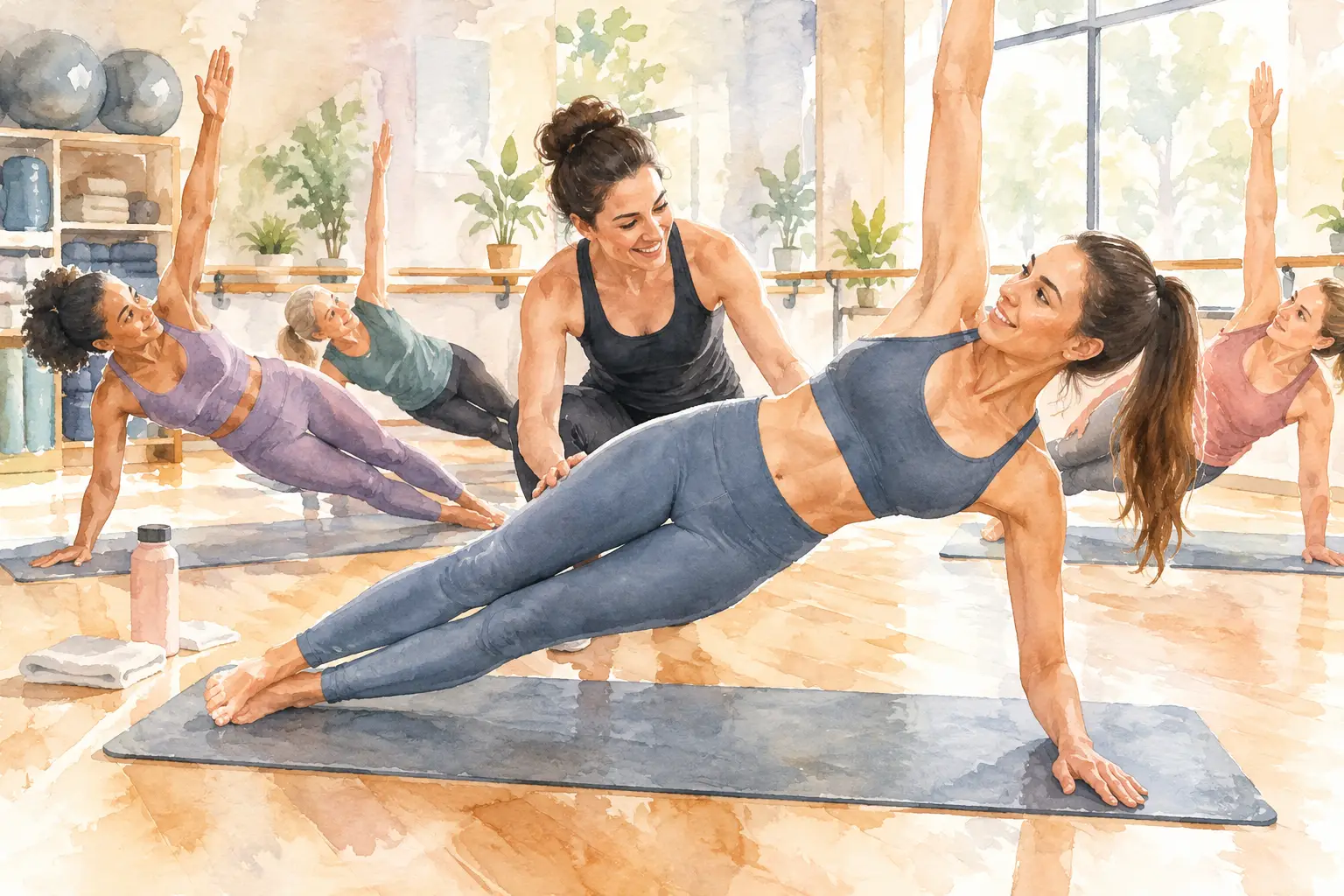
Find the best core stability moves for stronger posture, better balance, and confident low-impact movement, with form tips for every fitness level at home.