
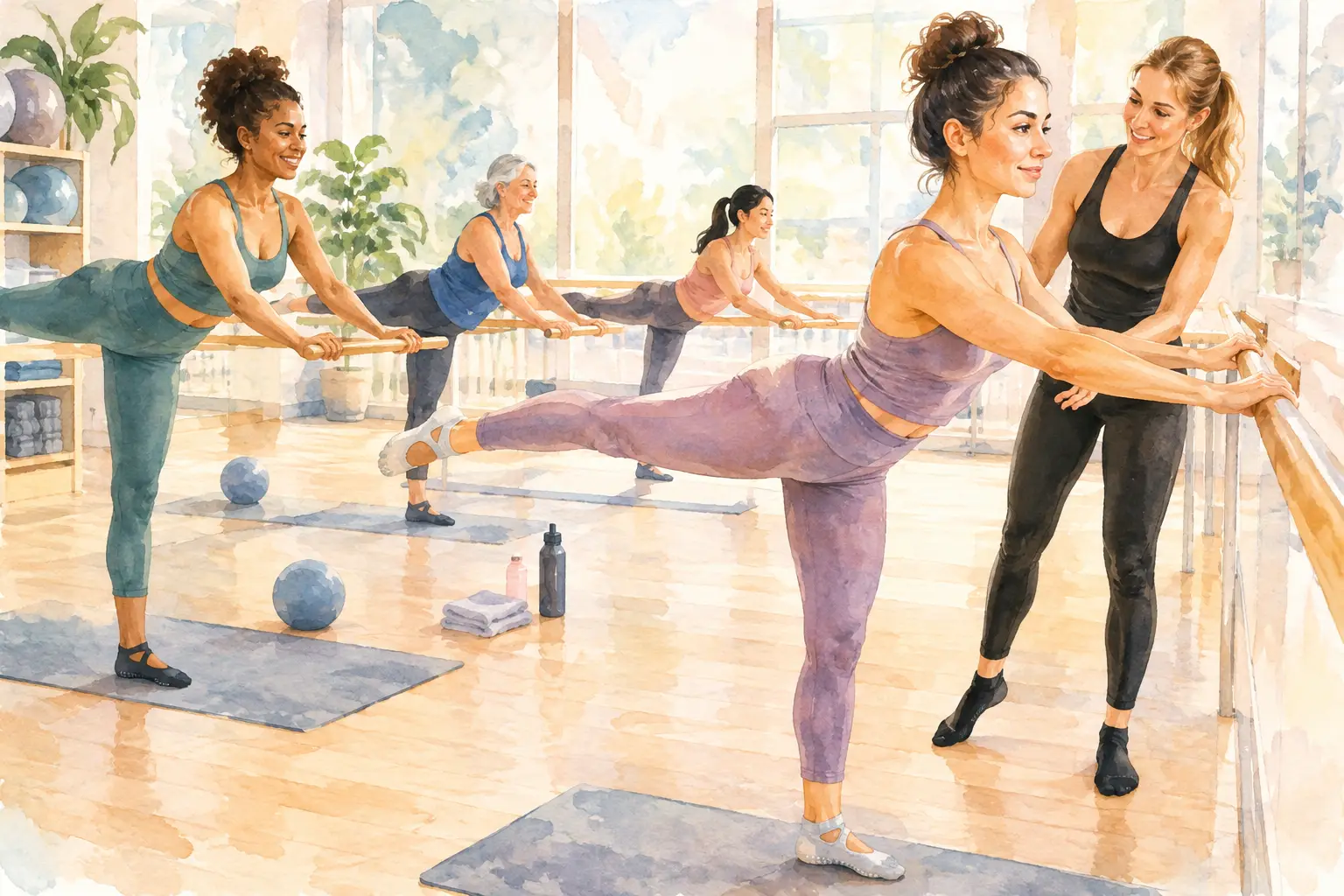
Are Barre Socks Necessary for Every Class?
Are barre socks necessary? Learn when grip socks help with stability and hygiene, when they are required, and how to choose a comfortable pair for class.
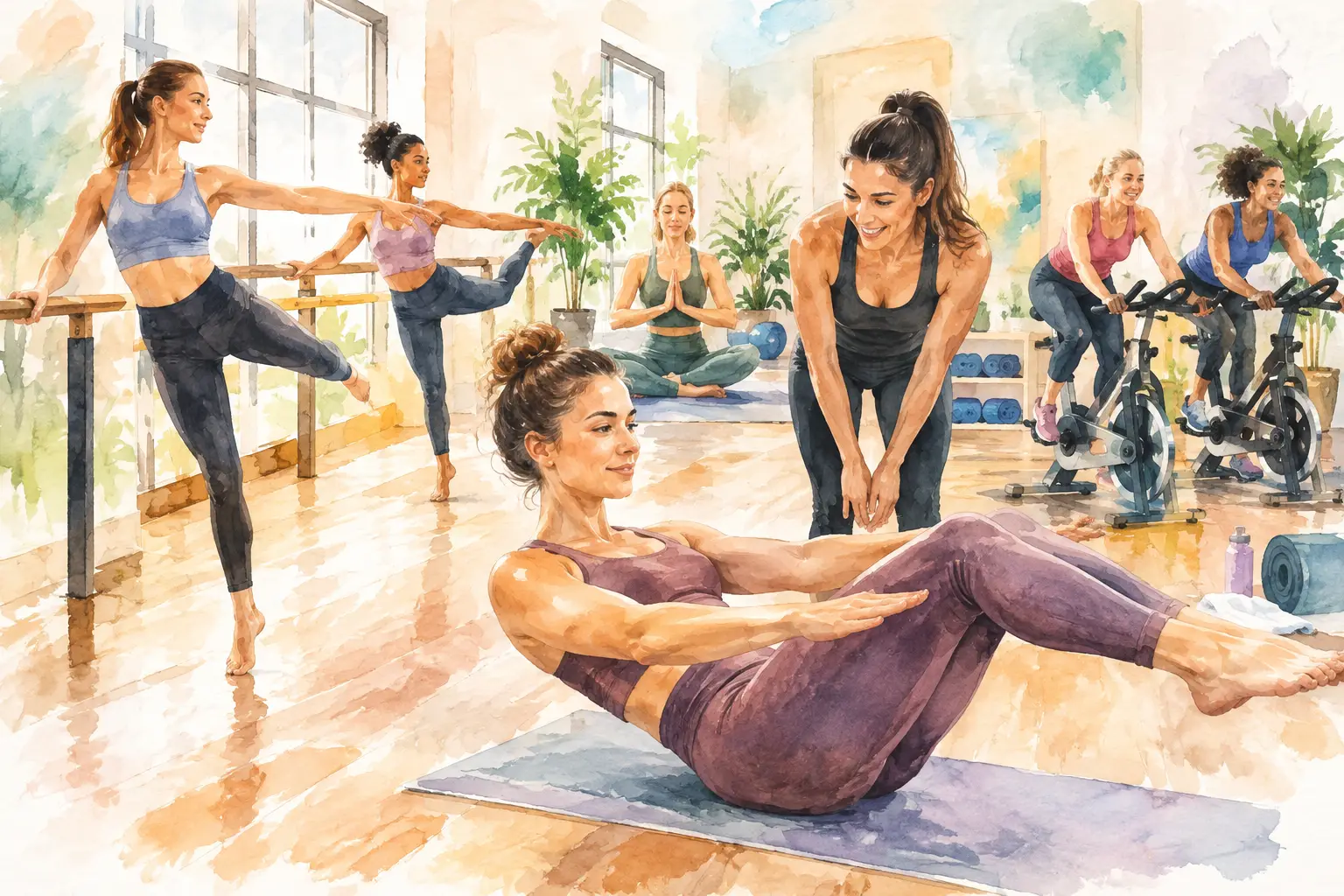
A good muscle tone workout guide should feel less like a punishing plan and more like a routine you can return to. Toned muscles come from consistent strength work, supportive movement, and enough variety to keep your body challenged without making your joints unhappy. Whether you are new to structured fitness, coming back after a break, or ready for a more intentional routine, low-impact classes can help you build strength that shows up in everyday life.
Muscle tone is often used to describe a body that looks and feels stronger, more defined, and better supported. It is not about chasing an unrealistic shape or pushing through exhausting workouts. It is about developing muscle strength while improving the way you stand, move, balance, and carry yourself.
For most people, the most sustainable path to muscle tone includes regular resistance-based movement, cardiovascular conditioning, mobility work, and recovery. Barre, Pilates-inspired strength training, yoga, and indoor cycling each support a different part of that picture. Together, they create a balanced routine that can meet you where you are.
Small, controlled movements count. So do lighter weights, bodyweight exercises, resistance bands, and longer holds. The goal is not to lift the heaviest thing in the room. The goal is to ask your muscles to work with good form, then give them time and consistency to adapt.
A workout only works if it fits into your actual life. That may mean three studio classes a week, or it may mean two classes plus walks, gentle mobility, or a short at-home practice. The best schedule is the one you can keep through busy workweeks, family commitments, beach weekends, and the seasons when motivation feels lower.
Start by aiming for two to four movement sessions each week. If you are returning to exercise, two classes may be a powerful beginning. Once your body feels ready, add another session that supports a different goal. For example, pair a barre class with cycling for stamina, or combine Pilates-inspired strength with yoga for flexibility and recovery.
Consistency does not mean every workout has to feel equally hard. Some days are for focused strength and a little shake in the legs. Other days are for opening tight hips, moving your spine, breathing deeply, and leaving class feeling reset. Both types of sessions help you create a stronger foundation.
Barre is especially helpful for building endurance in the legs, glutes, core, and arms through precise, repeated movements. Those tiny pulses and isometric holds may look simple, but they ask muscles to stay engaged for longer than they are used to. The result is a challenging, joint-friendly way to build strength and improve posture.
Pilates-inspired training brings attention to the deep core muscles that support your movement. A stronger core is not just about abdominal exercises. It can help you feel more stable during daily activities, from carrying groceries to climbing stairs or reaching for something overhead.
Yoga adds mobility, balance, and body awareness. When muscles and joints can move comfortably through a fuller range of motion, strength work often feels better and more controlled. Yoga can also be the right choice on days when your body needs movement without extra intensity.
Indoor cycling builds cardiovascular endurance while challenging the lower body. It is a useful complement to barre and strength-based classes because it raises your heart rate without requiring high-impact jumps. The resistance, pace, and duration can be adjusted, making it approachable for beginners and still engaging for regular riders.
There is no single perfect schedule. Your best mix depends on your current fitness level, your goals, your energy, and what you genuinely enjoy. A balanced week might include two barre or Pilates-inspired strength sessions, one cycling class, and one yoga or mobility-focused class.
If you have limited time, choose two full-body strength-focused classes first. Strength training is a key piece of muscle tone because it gives your muscles a reason to grow more capable. Add a walk, an easy bike ride, or a short stretch session when you can. Those small choices support your routine instead of competing with it.
If you are already active, variety can help you avoid feeling stuck. Repeating the same workout every day may feel familiar, but rotating your focus gives different muscle groups time to recover while keeping your routine fresh. You may notice that cycling strengthens your stamina, yoga improves how you recover, and barre challenges muscles you did not realize were working.
The difference between simply moving and training with purpose is often form. When you slow down enough to align your body well, engage the right muscles, and adjust your range of motion as needed, the work becomes more effective.
That is one reason instructor-led classes can be so valuable. A coach can offer cues that help you lengthen through the spine, soften the shoulders, find stability through the core, or shift your stance for a more comfortable position. These details matter, especially when you are new, returning after time away, or working around a limitation.
Good form does not require perfection. It requires attention. If a movement feels sharp, unstable, or wrong for your body, take the modification. Reducing your range of motion, using a chair or barre for support, lowering resistance, or resting for a moment is not falling behind. It is smart training.
Visible changes can take time, and they are only one measure of progress. Pay attention to the wins that happen along the way: holding a plank with more control, feeling steadier in a lunge, sitting taller at your desk, or finishing a cycling interval with confidence. These are real signs that your routine is working.
To continue building muscle tone, gradually increase the challenge when your current workout begins to feel familiar. That might mean using slightly more resistance, holding a position a few breaths longer, improving your alignment, or attending class more consistently. Small progressions are often more sustainable than dramatic changes.
Food, hydration, sleep, and stress also influence how you feel during exercise and how well you recover afterward. You do not need a rigid plan to support your workouts. Regular meals, enough water, and rest can make it easier to show up with energy. If you are pregnant, recently returning to movement, or have specific concerns about exercise, choose appropriate modifications and seek individualized guidance when needed.
The most effective routine is one that makes you want to come back. That is why a welcoming environment matters. You should be able to ask questions, try a modification, take a break, and still feel like you belong in the room.
At Sea Barre Fitness, classes are designed to offer that kind of coach-led support, whether you are stepping into your first barre class or refining a long-standing practice. You do not need to arrive already strong, flexible, or coordinated. You build those qualities one class at a time.
Start with the class that feels most inviting, not the one you think you are supposed to choose. Show up, listen to your body, and let steady practice do its quiet work. Stronger days are built from the encouraging decision to begin again.
Are barre socks necessary? Learn when grip socks help with stability and hygiene, when they are required, and how to choose a comfortable pair for class.
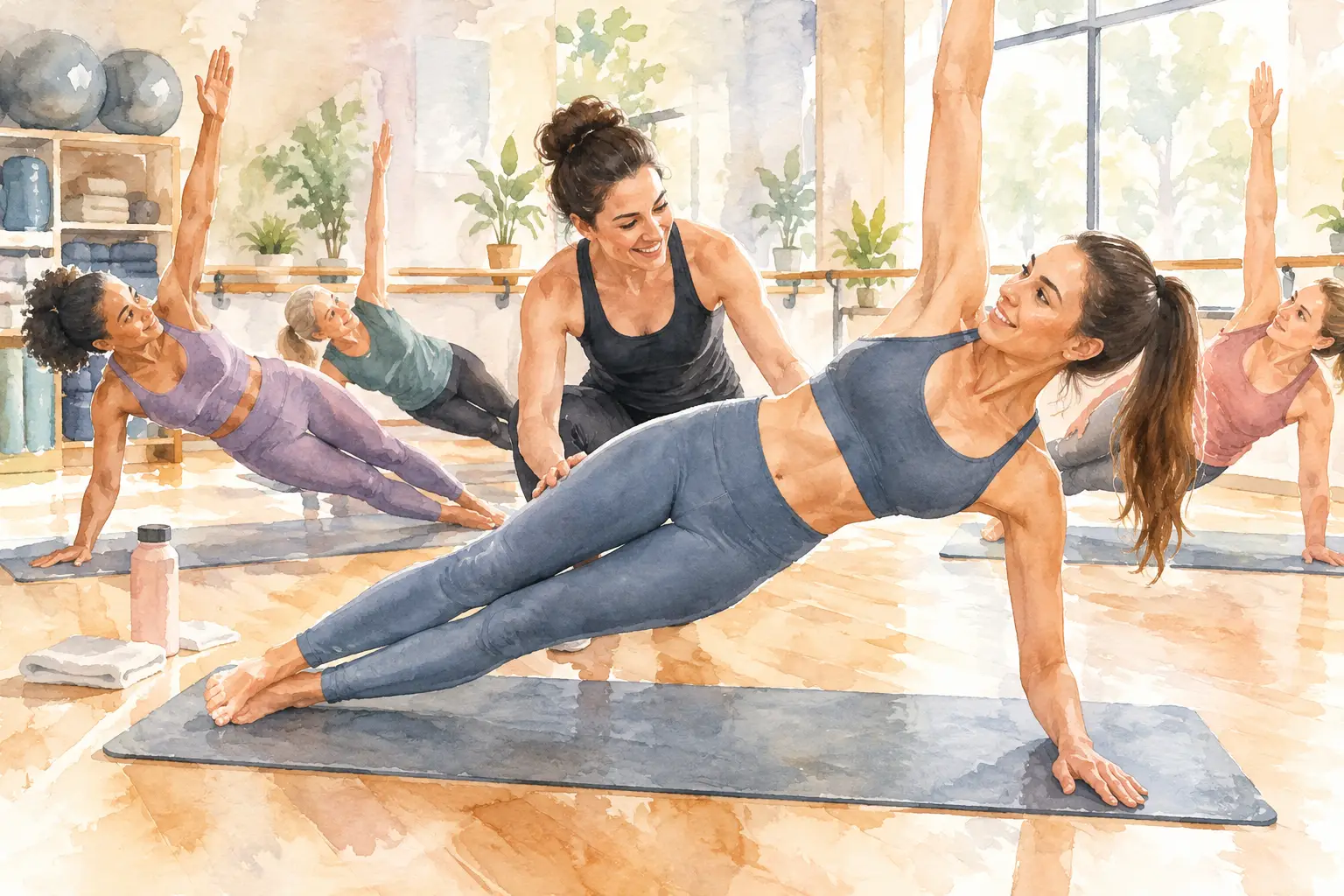
Find the best core stability moves for stronger posture, better balance, and confident low-impact movement, with form tips for every fitness level at home.