
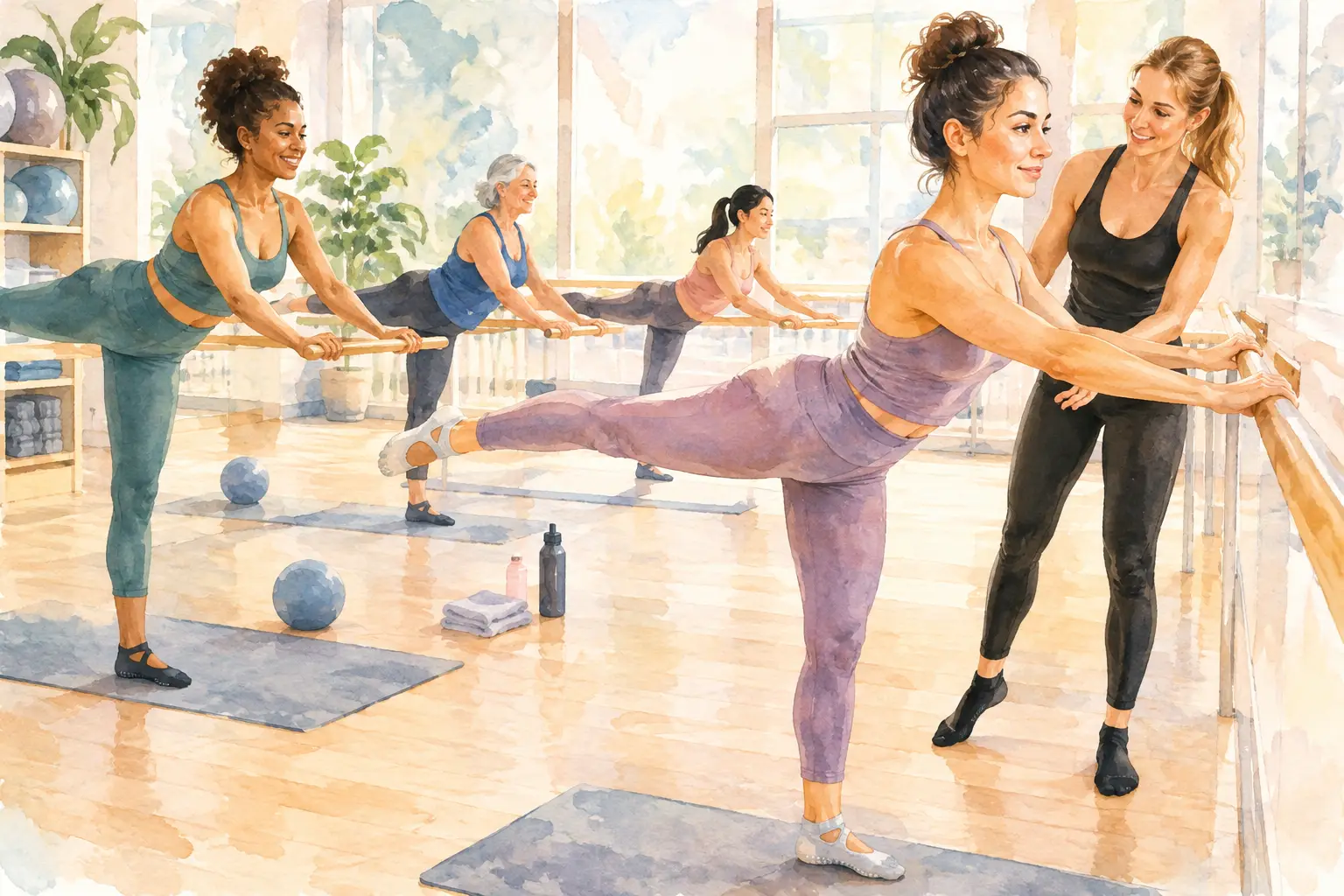
Are Barre Socks Necessary for Every Class?
Are barre socks necessary? Learn when grip socks help with stability and hygiene, when they are required, and how to choose a comfortable pair for class.
A strong pelvic floor is not about squeezing harder through every workout. It is about learning how to strengthen pelvic floor muscles so they can gently support you during everyday movement – from standing taller in line at the coffee shop to moving through a barre sequence, lifting a grocery bag, or settling into a yoga pose with more awareness.
For many people, the pelvic floor is an overlooked part of the core. Yet it works alongside the diaphragm, deep abdominal muscles, hips, and glutes to support balance, posture, and comfortable movement. The good news: you do not need high-impact exercise or an intimidating routine to give it attention. A consistent, low-impact approach can help you build connection, control, and confidence.
Your pelvic floor is a group of muscles at the base of the pelvis. Think of it less as one isolated muscle and more as part of a supportive team. These muscles respond to breath, body position, and movement. Ideally, they can both contract and fully relax.
That last point matters. Pelvic floor strength is not always about doing more Kegels. Some people benefit from learning to soften and release muscles that are already holding too much tension. A balanced approach focuses on coordination: gently engaging when support is helpful, then letting go when it is time to breathe, move, and recover.
Pregnancy, postpartum recovery, hormonal changes, prolonged sitting, stress, and changes in activity can all affect how connected you feel to this area. If you have pelvic pain, pressure, persistent leaking, difficulty emptying your bladder or bowel, or concerns after pregnancy or surgery, check in with a qualified healthcare professional or pelvic floor physical therapist before starting a new routine.
Before adding exercises, start with breathing. Your diaphragm and pelvic floor naturally move together. When you inhale, the rib cage expands and the pelvic floor can soften and lengthen. When you exhale, the body has an opportunity to gently lift and engage from the base of the pelvis through the lower core.
Try this while lying on your back with knees bent, sitting tall in a chair, or standing with both feet grounded. Inhale slowly through your nose and allow your ribs and belly to expand without forcing them outward. As you exhale, imagine lightly lifting through the pelvic floor, as if you were gently stopping the flow of urine. Keep your jaw, shoulders, and glutes relaxed.
The cue is gentle. You should not be holding your breath, clenching your seat, or gripping through your inner thighs. After the exhale, fully release before the next breath. Begin with five to eight unhurried breaths. This simple practice creates awareness that can carry into barre, Pilates-inspired movement, yoga, and daily life.
Once the breath pattern feels familiar, pair that gentle engagement with effort. Exhale as you rise from a chair, lift one knee in a standing balance, move into a bridge, or press through the feet during a controlled squat. Inhale as you return or lower.
This is one reason mindful, instructor-led low-impact training can feel so effective. Instead of rushing through repetitions, you learn where to find support and how to keep moving with control. The goal is not constant tension. It is having access to that support when you need it.
Pelvic floor training works best when it is part of a well-rounded strength and mobility practice. The following movements invite the pelvic floor to work with the surrounding muscles rather than asking it to do all the work alone.
Lie on your back with knees bent and feet hip-width apart. Inhale to prepare. Exhale, gently engage through the pelvic floor and lower core, then press through your feet to lift your hips into a bridge. Keep the lift comfortable and avoid arching your back. Inhale at the top, then exhale or inhale as you slowly lower with control.
Try six to 10 repetitions. A bridge strengthens the glutes and encourages a steady relationship between the hips, core, and breath. If you feel cramping, gripping, or discomfort, make the range of motion smaller or pause.
From the same position, find a neutral spine and a soft exhale engagement. Slowly slide one heel away along the floor, then bring it back in. If that feels stable, try lifting one foot at a time into a small tabletop march. Keep the pelvis as quiet as possible and move slowly enough to notice what is happening.
These movements are less about how far your leg travels and more about maintaining calm, connected control. They are a wonderful choice for beginners and for anyone returning to exercise after time away.
Stand near a chair, countertop, or barre for support. Inhale as you bend your knees and send your hips back slightly, keeping your weight balanced through your feet. Exhale as you press back to standing, allowing a light pelvic floor and lower-core lift to join the movement.
A supported squat builds practical strength for daily life while giving you an opportunity to practice alignment. Keep the knees tracking comfortably with the toes and choose a depth that feels good for your body.
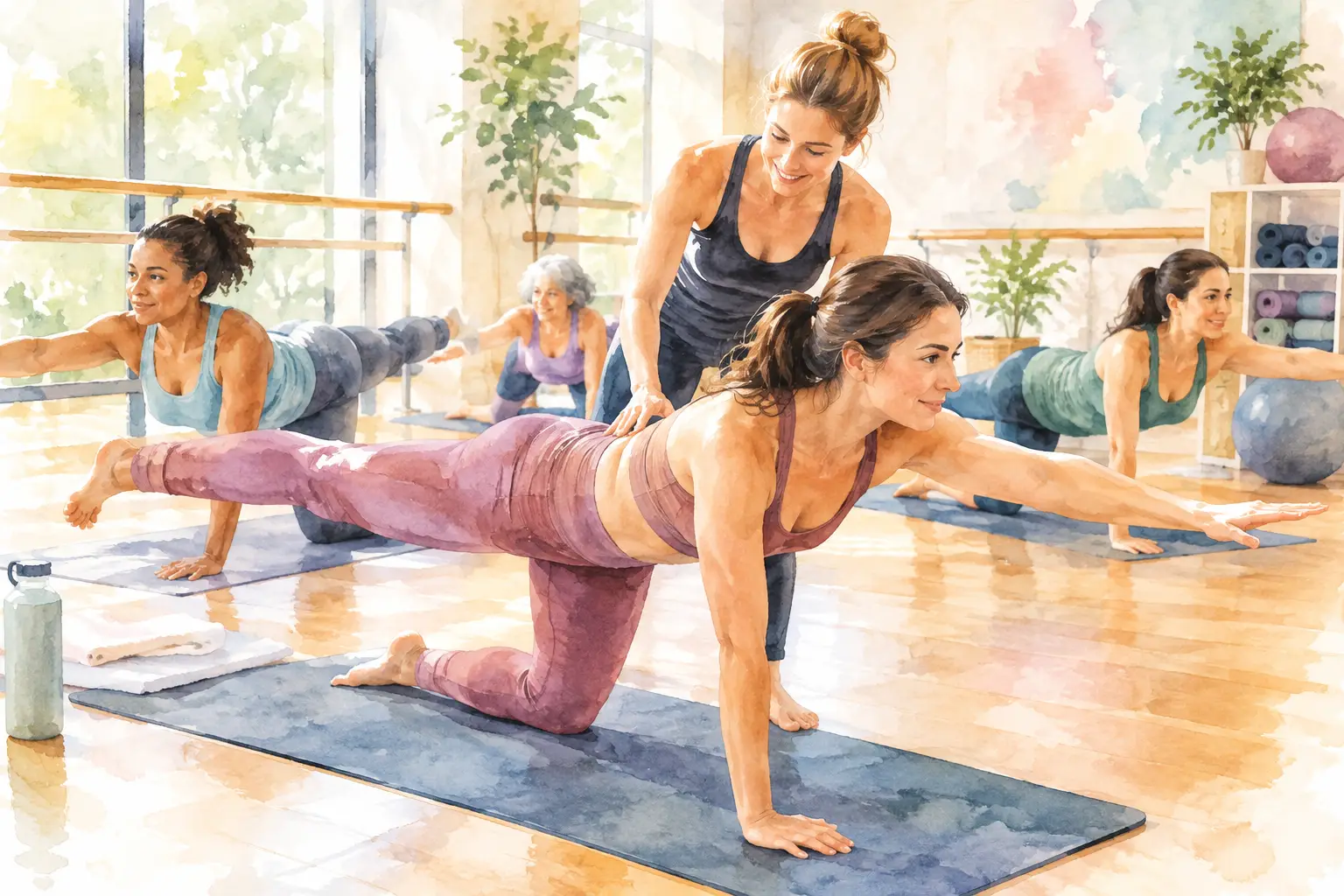
Come to hands and knees with wrists under shoulders and knees under hips. Take an inhale to settle. On an exhale, lightly engage through the lower core and extend one leg back, keeping toes on the floor if needed. Progress by reaching the opposite arm forward only if you can stay steady without holding your breath.
This move challenges balance, posture, and coordination. Slow is strong here. A smaller, well-controlled reach is more useful than a bigger movement that causes the back to sway or the shoulders to tense.
Standing balance exercises can be surprisingly valuable because they ask the feet, hips, core, and breath to work together. Hold a barre or chair lightly, then practice a slow single-leg balance with one foot hovering or resting at the ankle. Maintain a tall posture and a relaxed breath.
As you exhale, feel a gentle lift through the center of your body. As you inhale, let the work soften without losing your steady stance. This is not about squeezing through the entire hold. It is about building responsive support.
More effort is not always better. A helpful pelvic floor practice should leave you feeling centered, not strained. Watch for common habits such as tucking the pelvis too strongly, clenching the glutes, gripping the inner thighs, or holding your breath through a challenging moment.
Instead, think tall through the spine, relaxed through the shoulders, and steady through the feet. Let the exhale guide a light engagement, then allow a real release on the inhale. If you cannot breathe easily, reduce the intensity or range of motion.
Your body may also respond differently from one day to the next. Sleep, stress, hydration, pregnancy, recovery, and your overall activity level can all influence how a movement feels. Adjusting is not falling behind. It is smart training.
Consistency matters more than long, exhausting sessions. Start by practicing your breath connection for a minute or two most days. Add two or three of the movements above two to three times per week, leaving space between sessions if you feel fatigued.
You can also weave awareness into moments you already have. Practice a calm exhale as you stand from your desk, carry laundry, climb stairs, or set up for a yoga pose. These small repetitions help turn pelvic floor awareness into a natural part of how you move.
In a coached class, let your instructor know if you would like support with modifications or alignment. At Sea Barre Fitness, the purpose of low-impact strength work is not to force your body into one version of fitness. It is to help you feel stronger, more capable, and more at home in your movement.
Give yourself permission to begin gently. A few intentional breaths and controlled movements can become a powerful foundation for the way you stand, move, and show up for yourself each day.
Are barre socks necessary? Learn when grip socks help with stability and hygiene, when they are required, and how to choose a comfortable pair for class.
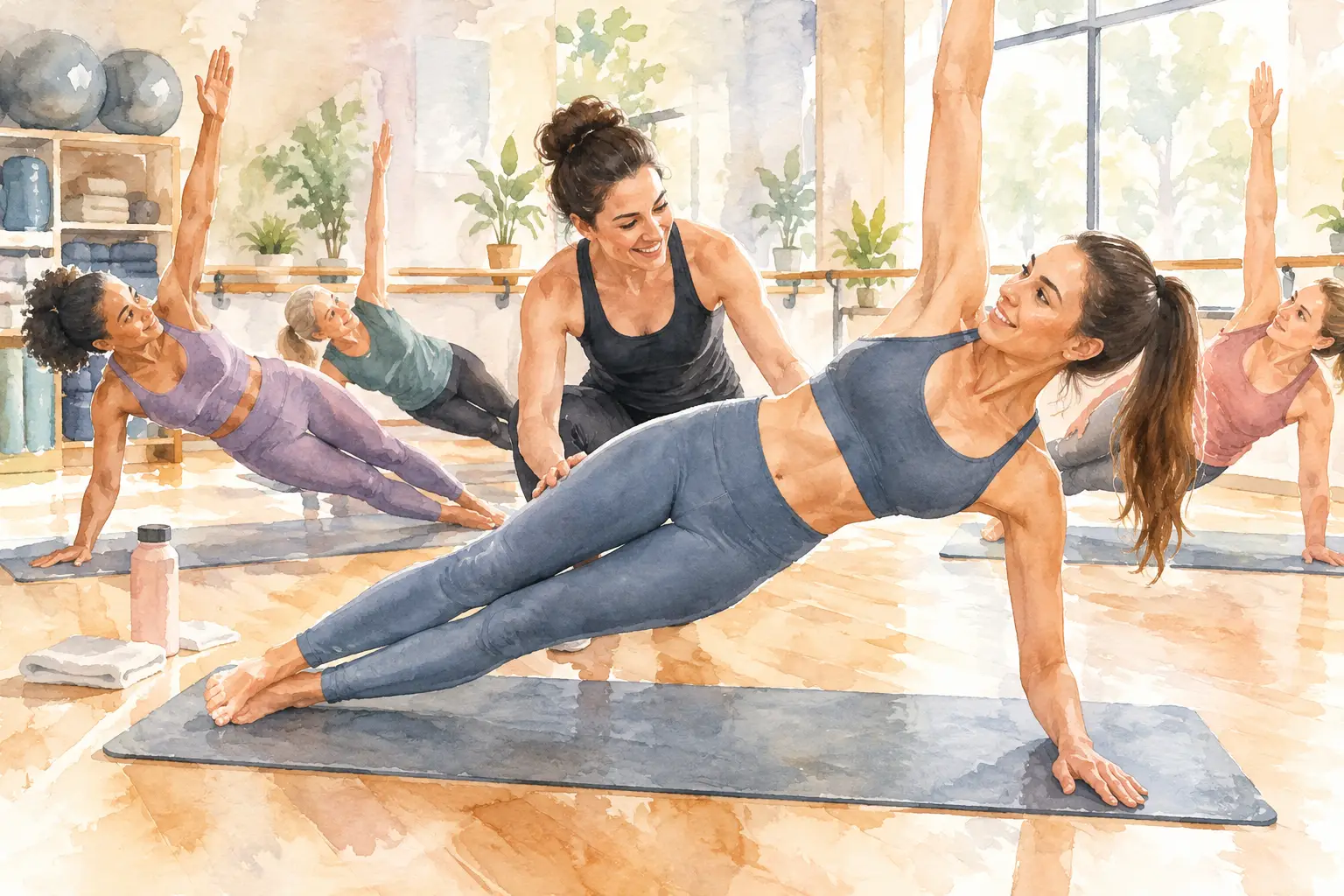
Find the best core stability moves for stronger posture, better balance, and confident low-impact movement, with form tips for every fitness level at home.