
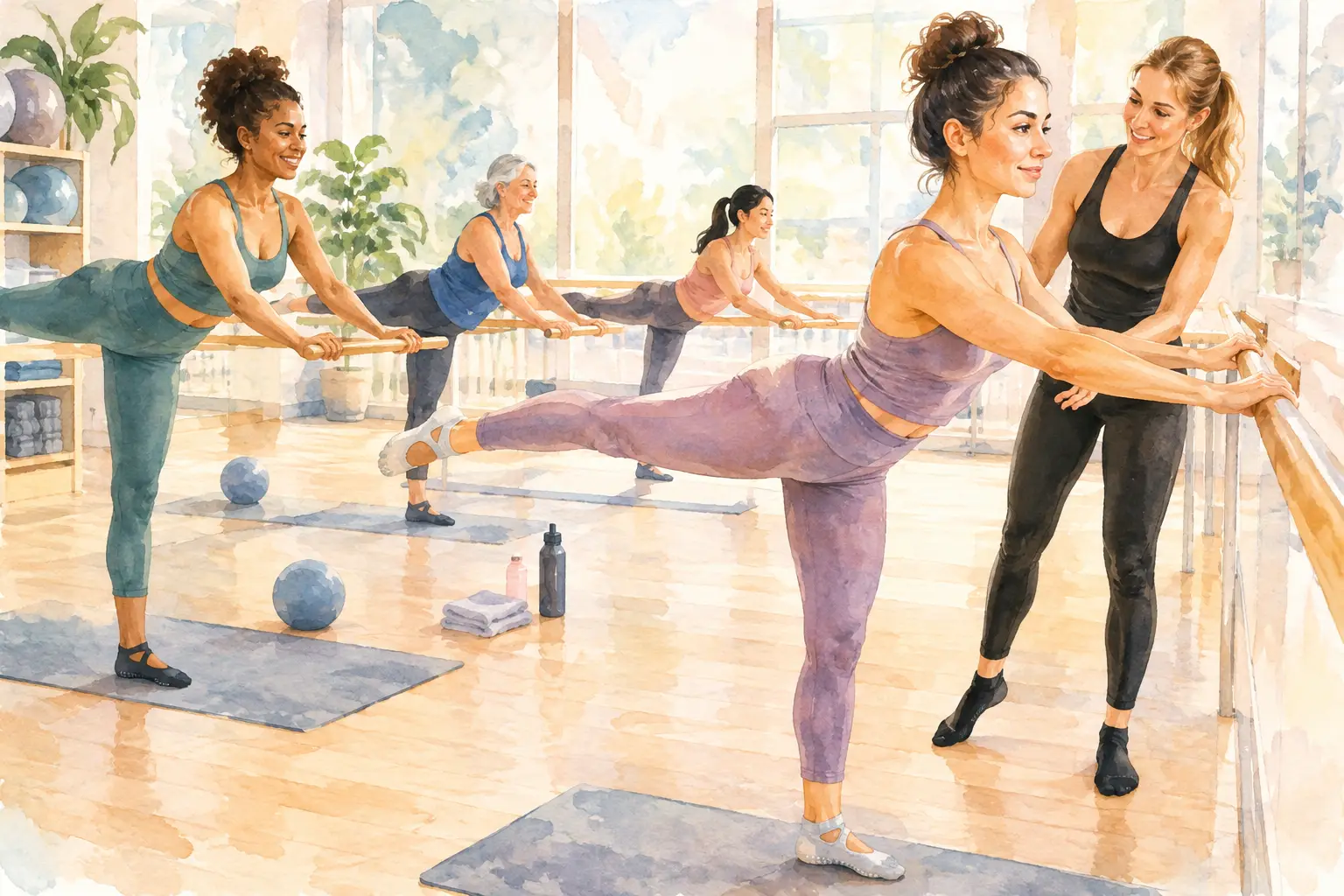
Are Barre Socks Necessary for Every Class?
Are barre socks necessary? Learn when grip socks help with stability and hygiene, when they are required, and how to choose a comfortable pair for class.
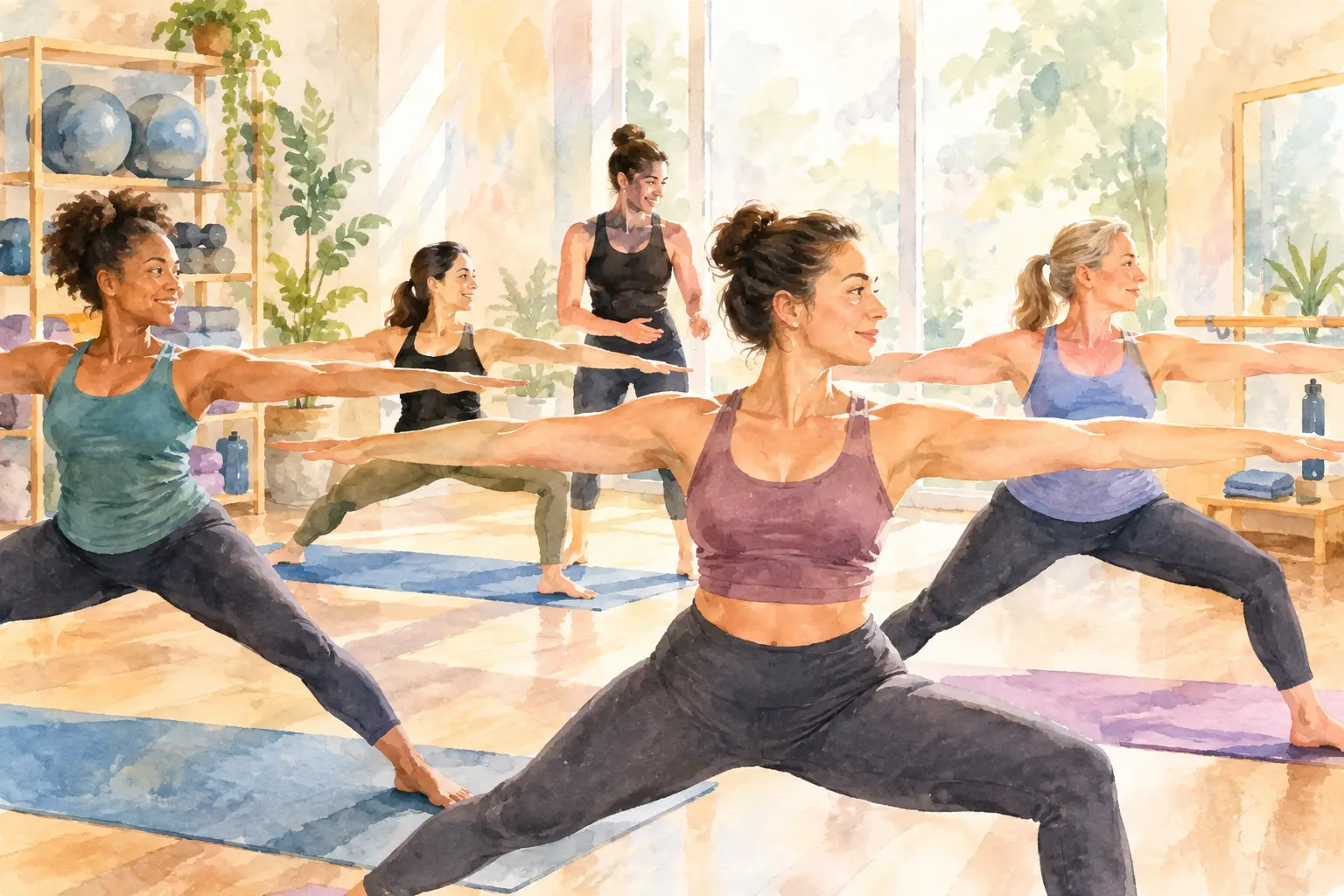
A long break from movement can make the first class back feel bigger than it is. Maybe your routine changed, life got busy, you were caring for family, traveling, recovering your energy, or simply lost the habit. Learning how to return exercising safely is not about making up for time away. It is about giving your body a steady, supportive path back to feeling strong, capable, and at home in movement.
The best return plan is usually less dramatic than people expect. Start where you are, choose movement you can repeat, and let consistency do the heavy lifting. At Sea Barre Fitness, that can mean beginning with a low-impact barre, yoga, Pilates-inspired, or cycling class where an instructor can help you settle in and move with confidence.
It is tempting to measure yourself against the version of you who exercised regularly months or years ago. That comparison rarely helps. Your body may have changed, your schedule may look different, and your needs may be more focused on mobility, energy, posture, or stress relief than they were before.
Before selecting a class, take an honest inventory. How does your body feel during a normal day? Are stairs, long walks, sitting at a desk, or carrying groceries leaving you stiff or tired? What kind of movement sounds appealing enough to do again next week? These answers are more useful than choosing a workout based on what you think you should be able to do.
If you are returning after an injury, surgery, pregnancy, a significant health change, or a long period of inactivity, get personalized guidance from a qualified health professional before restarting exercise. Once you have the go-ahead, share any movement considerations with your instructor. Good coaching starts with knowing what support you need.
Your first few workouts should leave you feeling pleasantly worked, not completely wiped out. A little muscle fatigue is normal when you are reintroducing movement. Pain, dizziness, sharp discomfort, or a feeling that something is not right are signals to stop and reassess.
Beginning below your limit can feel almost too easy, especially if you remember being more active. But it gives your muscles, joints, and routine time to adapt. Think of the first two weeks as practice, not a test. You are rebuilding the habit of showing up, listening to your body, and moving with control.
For many returning exercisers, two or three sessions per week is a realistic place to start. That could look like a barre class for full-body strength and posture, a yoga class for mobility and a calmer reset, plus an indoor cycling session when you are ready to gently build cardiovascular stamina. Rest days are part of the plan, not a sign that you are falling behind.
You do not need pounding, jumping, or punishing workouts to feel challenged. Low-impact fitness can build meaningful strength, endurance, balance, and body awareness while being more considerate of your joints.
Barre is especially helpful for returning to a routine because it focuses on controlled, intentional movements. You can work your legs, core, arms, and posture while using modifications that fit your current level. Pilates-inspired classes build deep core support and stability. Yoga creates space to reconnect with flexibility, breath, and balance. Indoor cycling lets you control resistance and pace while improving stamina without impact on the joints.
The right class is not always the class that leaves you sweating the most. It is the one that challenges you appropriately and makes you want to come back.
When you are eager to feel fit again, it is easy to rush repetitions or choose a bigger range of motion than your body can comfortably control. Form is what turns a workout into purposeful movement. It helps you find the intended muscles, improve alignment, and avoid asking one area of your body to do all the work.
Give yourself permission to take the modification. Lower the resistance. Use the support of the barre. Make your range of motion smaller. Pause for water. These choices are not shortcuts. They are smart ways to keep your movement consistent and sustainable.
Instructor-led classes offer a major advantage here. A coach can cue your alignment, offer options, and help you understand how an exercise should feel. You do not have to arrive knowing every position or every term. You only need to be willing to learn one movement at a time.
Some days you may feel energized and coordinated. Other days, your legs may feel shaky during a lunge sequence or your balance may be off in yoga. That is normal. Returning to exercise is not a straight line, and progress is not only measured by how intense a class feels.
Notice the smaller wins instead. Maybe you sit taller at your desk. Maybe you can hold a plank variation with more confidence, recover your breath more quickly, or feel less stiff after a busy day. Maybe the biggest shift is that class becomes a reliable hour that belongs to you. Those changes add up.
Avoid increasing everything at once. If you add another class to your week, keep the intensity similar for a while. If you raise your cycling resistance or try a more challenging barre variation, give yourself time before adding more frequency. Your body responds well to gradual change.
A perfect plan that does not fit your actual schedule will not last. Instead of promising yourself an unrealistic daily workout, choose a rhythm that works around work, family, beach weekends, appointments, and the normal unpredictability of life in the Delaware beach communities.
Put your classes on the calendar as you would any other commitment. A morning class may help you start the day feeling clear and accomplished. An evening class may be the reset that helps you leave the day behind. There is no universally best time to exercise. The best time is the one you can protect consistently.
It also helps to make the first step easy. Lay out comfortable clothes, fill your water bottle, and book the class before your day gets crowded. If you miss a session, do not turn one missed workout into a reason to quit. Return at the next available opportunity with no guilt attached.
Returning to exercise is not only about the hour you spend in class. Hydration, regular meals, sleep, and gentle movement between workouts all affect how you feel. You do not need a complicated routine. Drink water throughout the day, have a nourishing snack or meal that works for you around class time, and prioritize rest when your body asks for it.
Light walking, easy stretching, or a restorative yoga practice can be useful on non-class days, especially if sitting or daily stress leaves you feeling tight. Recovery does not mean doing nothing. It means giving your body the conditions it needs to respond well to your effort.
Motivation is helpful, but belonging is often what makes a routine stick. A welcoming studio can remove the pressure to figure everything out by yourself. When instructors know your name, classmates cheer each other on, and every movement has an accessible option, returning feels less intimidating.
Tell your instructor that you are coming back after time away. They can help you choose a setup, suggest modifications, and remind you that every class is yours to scale. You are not behind. You are building a foundation that supports stronger muscles, better mobility, healthier posture, and more confidence over time.
Your return does not need to be perfect to be powerful. Book the class that feels approachable, take the option that serves your body today, and let one supported workout become the beginning of a routine you can truly keep.
Are barre socks necessary? Learn when grip socks help with stability and hygiene, when they are required, and how to choose a comfortable pair for class.
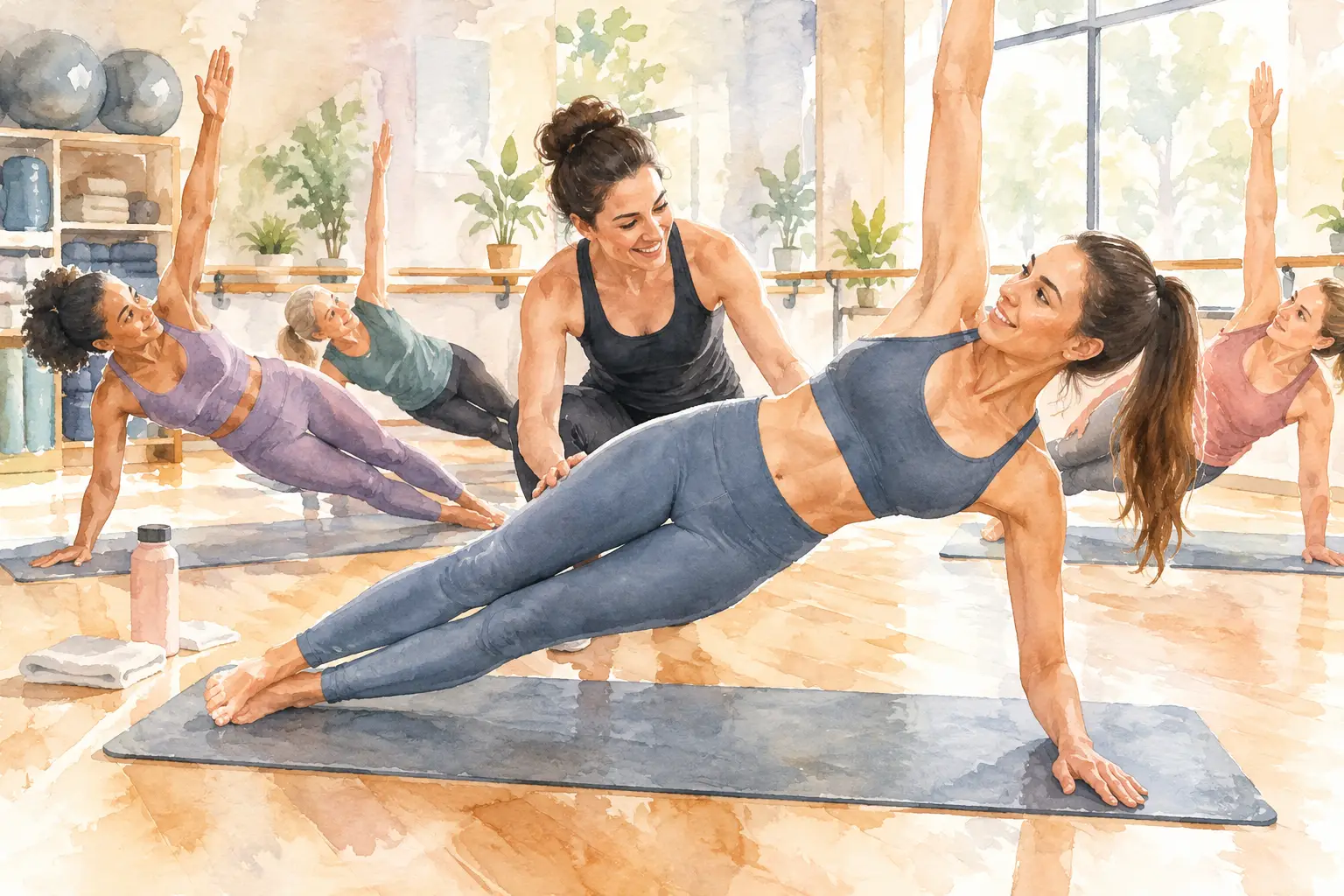
Find the best core stability moves for stronger posture, better balance, and confident low-impact movement, with form tips for every fitness level at home.