
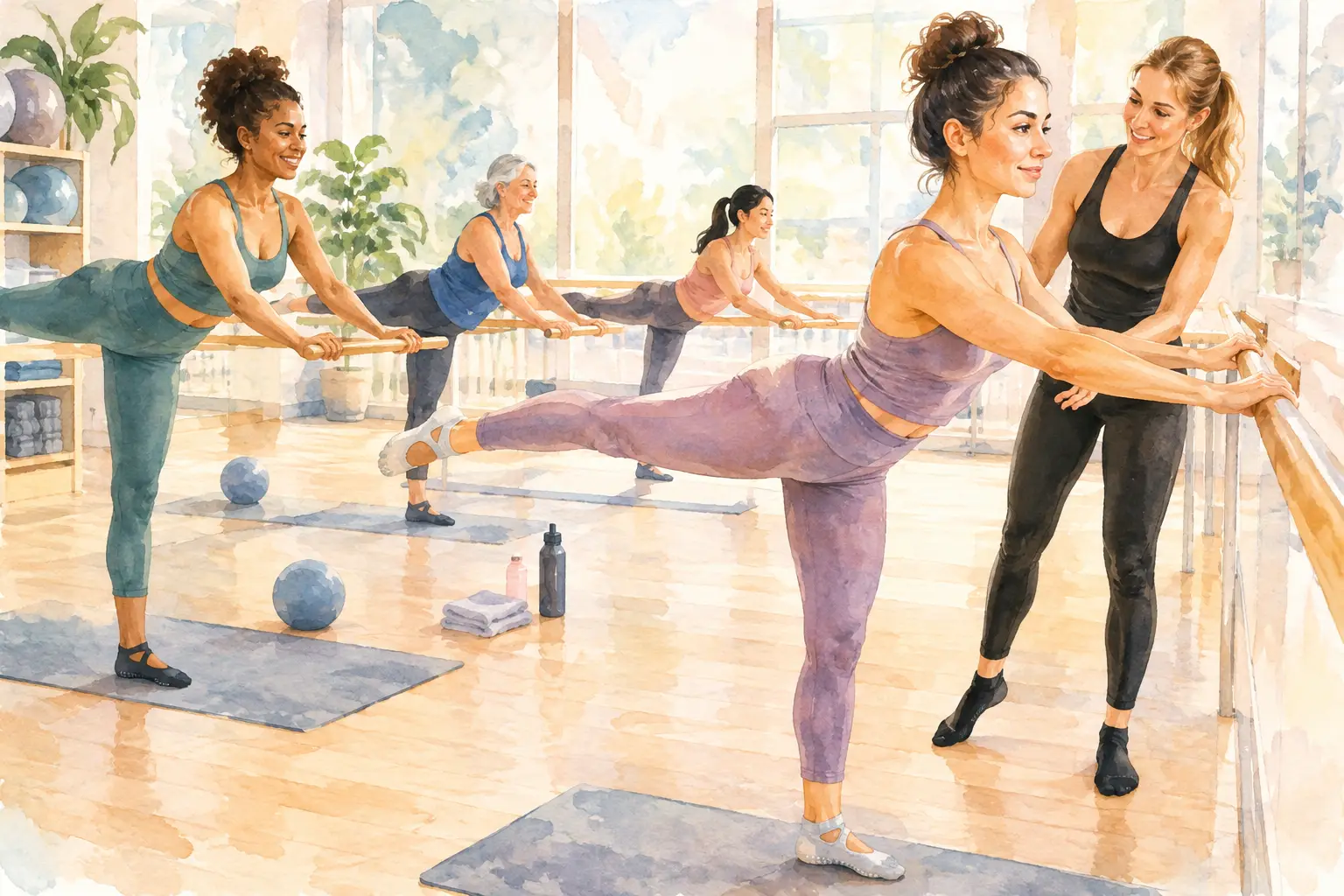
Are Barre Socks Necessary for Every Class?
Are barre socks necessary? Learn when grip socks help with stability and hygiene, when they are required, and how to choose a comfortable pair for class.
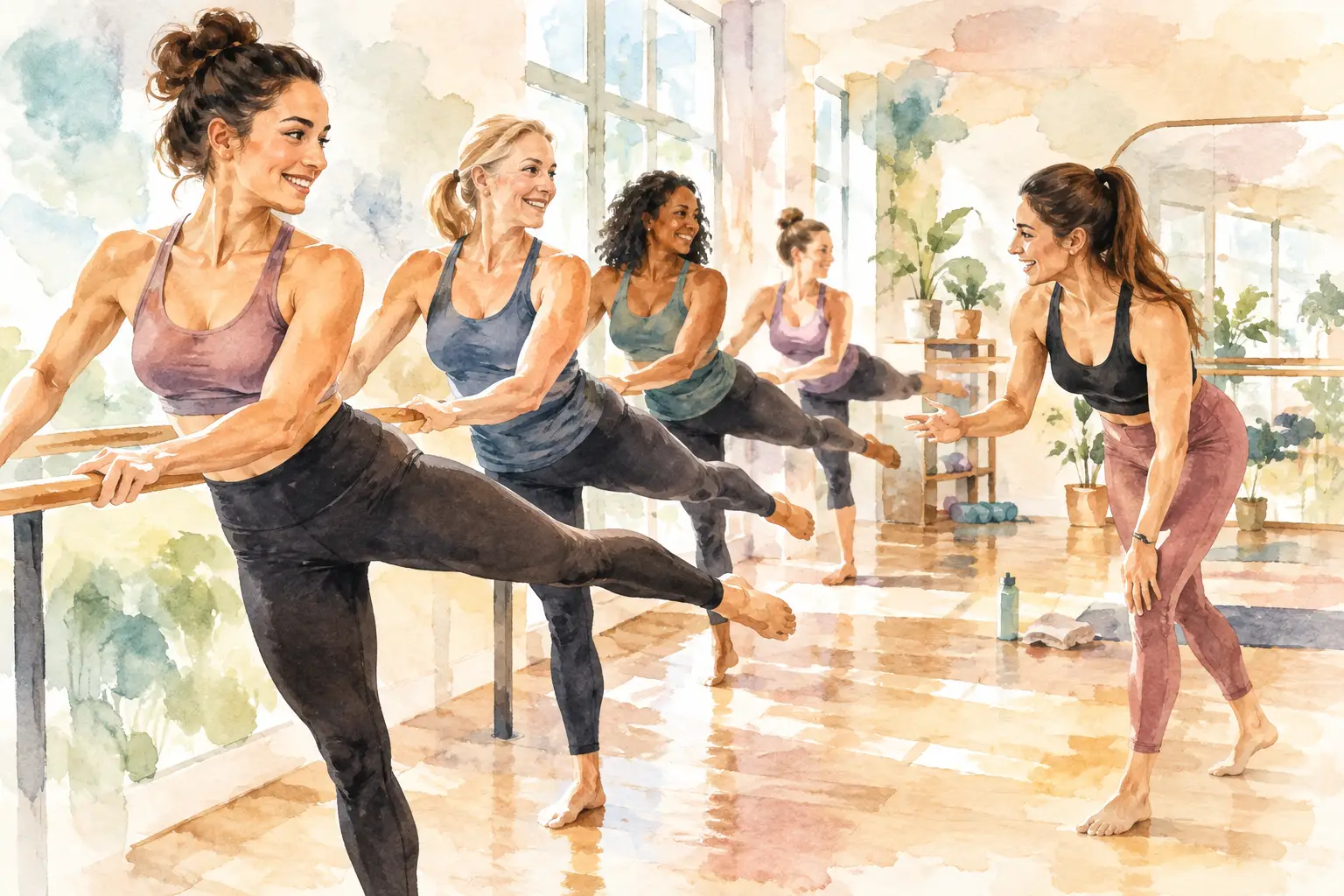
The first time you settle into a barre position, a tiny movement can make your legs shake in a way you did not expect. That is normal. Barre is designed to work muscles with focused, controlled movements, and you do not need dance experience, perfect flexibility, or a certain fitness level to belong in the room. If you are wondering how to start barre, begin with one class, an open mind, and the willingness to meet your body where it is.
Barre can be a refreshing place to return to movement after time away, build a more consistent routine, or add strength and mobility to an already active week. The goal is not to keep up with the person beside you. It is to learn how your body feels when it is supported, challenged, and moving with intention.
Barre blends elements of ballet-inspired movement, Pilates, and strength training into a low-impact workout. You may use a ballet barre for balance, along with light hand weights, a small ball, resistance bands, or your own body weight. The movements are often small, but they are deliberate. Think controlled squats, standing leg work, core exercises, arm sequences, and stretching.
A class can feel challenging because you spend time in positions that ask your muscles to stay engaged. You might hear an instructor cue a pulse, a hold, or a small range of motion. These are not shortcuts. They help you find muscles that are easy to miss during faster, larger movements.
The experience is also highly adaptable. A strong barre class is not about forcing your body into a shape. It is about improving strength, posture, balance, flexibility, and stamina while respecting your current starting point. Some days that means taking the full expression of an exercise. Other days, it means making the movement smaller, using the barre for more support, or taking a short reset.
Your first class does not need to be a test. It is an introduction. Giving yourself a little preparation can make it easier to walk in feeling ready instead of wondering whether you are doing everything right.
Look for a beginner-friendly barre class or a studio known for coach-led instruction. A good instructor will explain the setup, demonstrate key movements, and offer options throughout class. That guidance matters because barre is precise, and small adjustments to your alignment can change how an exercise feels.
If you are returning to exercise, seeking a joint-friendly workout, or simply unsure where to begin, tell the instructor before class. You do not need to share your whole fitness history. A simple, “This is my first barre class,” gives them a chance to check in, help you set up, and offer encouragement when needed.
At Sea Barre Fitness, instructors are there to guide your form and help you find an option that feels both safe and productive. That kind of personal attention can make a first class feel much more approachable.
Aim to arrive about 10 to 15 minutes before your first class. You will have time to check in, put away your belongings, meet the instructor, and get familiar with the space. Starting unhurried helps you focus once class begins.
You may be shown where to place your mat and equipment. If you are unsure how to adjust a prop or where to stand at the barre, ask. There are no bonus points for pretending you already know. Studios expect first-time questions, and asking early lets you settle in with confidence.
Choose comfortable workout clothing that lets you bend, stretch, and lift your arms freely. Leggings, bike shorts, or fitted athletic pants paired with a supportive top are common choices. Many barre classes are done in grip socks, which help you feel secure on the floor and around the barre.
Bring water, and consider a light layer for before or after class. You do not need specialized equipment or a dance outfit. Most studios provide the props used during class, so your focus can stay on the movement rather than on having the right gear.
Barre vocabulary may sound new at first. Terms such as neutral spine, tuck, hinge, plié, or engage your core can take a class or two to feel familiar. You do not have to memorize them beforehand. Listen for the overall purpose of the cue and watch the demonstration when you need to.
If an instructor says to make the movement smaller, trust that direction. Bigger is not always better in barre. A small, well-aligned movement often creates more useful muscle engagement than pushing into a range that feels unstable or strained.
The most helpful barre mindset is simple: build your foundation first. Keep your feet grounded, your shoulders relaxed, and your breath steady. If your form starts to fade, reduce the range of motion or pause briefly to reset.
It is common for your legs, core, or arms to fatigue during a long hold or series of pulses. Shaking can be part of the challenge, especially when you are learning to recruit muscles in a new way. Sharp pain, pinching, or discomfort that does not feel right is different. Step out of the movement and let your instructor know. A thoughtful adjustment is always better than trying to push through.
Use the barre as a tool, not a crutch. Holding it lightly can help you balance while allowing your core and legs to do their share of the work. As your confidence grows, you may find you need less support in certain exercises. There is no rush to get there.
One barre class can leave you feeling energized, but consistency is where many people begin to notice meaningful changes in how they move and feel. For most beginners, two classes a week is a realistic place to start. It gives your body time to become familiar with the movements while leaving room for rest, walks, yoga, cycling, or the other activities you enjoy.
If once a week is what fits your schedule right now, that counts too. A routine you can maintain will serve you better than an ambitious plan that becomes stressful. Choose class times that work with your actual life, whether that is an early morning reset, a midday break, or an evening class that helps you leave the day behind.
Your body may feel worked in new places after the first few classes, particularly through the thighs, glutes, core, and upper body. Gentle movement, hydration, and rest can help you feel ready for your next session. Rather than judging a class by how sore you are, pay attention to smaller wins: standing taller, feeling steadier, moving with more awareness, or having more energy for your day.
Modifications are not a sign that you are behind. They are how barre stays accessible across different bodies, energy levels, and life stages. You may keep a heel down instead of lifting it, lower your arms, use less resistance, or take a wider stance. Each option can help you work with good alignment.
If you are pregnant, returning after an injury, or working around a physical limitation, share what you need with your instructor before class. They can help you choose supportive options throughout the workout. Follow any guidance you have received from your care team, and give yourself permission to adjust as your needs change.
Even experienced participants modify. Some days call for more intensity; others call for steadiness and mobility. Learning to recognize that difference is one of the most valuable skills you can gain from a regular fitness practice.
Barre tends to become more enjoyable once the basic positions feel familiar. You will start to recognize the rhythm of class, understand the cues more quickly, and know when an adjustment helps. Your balance may improve, your core may feel more connected, and everyday posture can become easier to notice.
You may also find that the studio becomes part of your support system. Seeing familiar faces, being greeted by an instructor, and knowing you have a class on your calendar can create the accountability that makes movement stick. The physical work matters, but so does finding a place where you feel welcome showing up exactly as you are.
Come to your first barre class ready to learn rather than ready to prove something. Start small, ask questions, and celebrate the fact that you made time for your strength. Your next class is simply another chance to feel a little more at home in your body.
Are barre socks necessary? Learn when grip socks help with stability and hygiene, when they are required, and how to choose a comfortable pair for class.
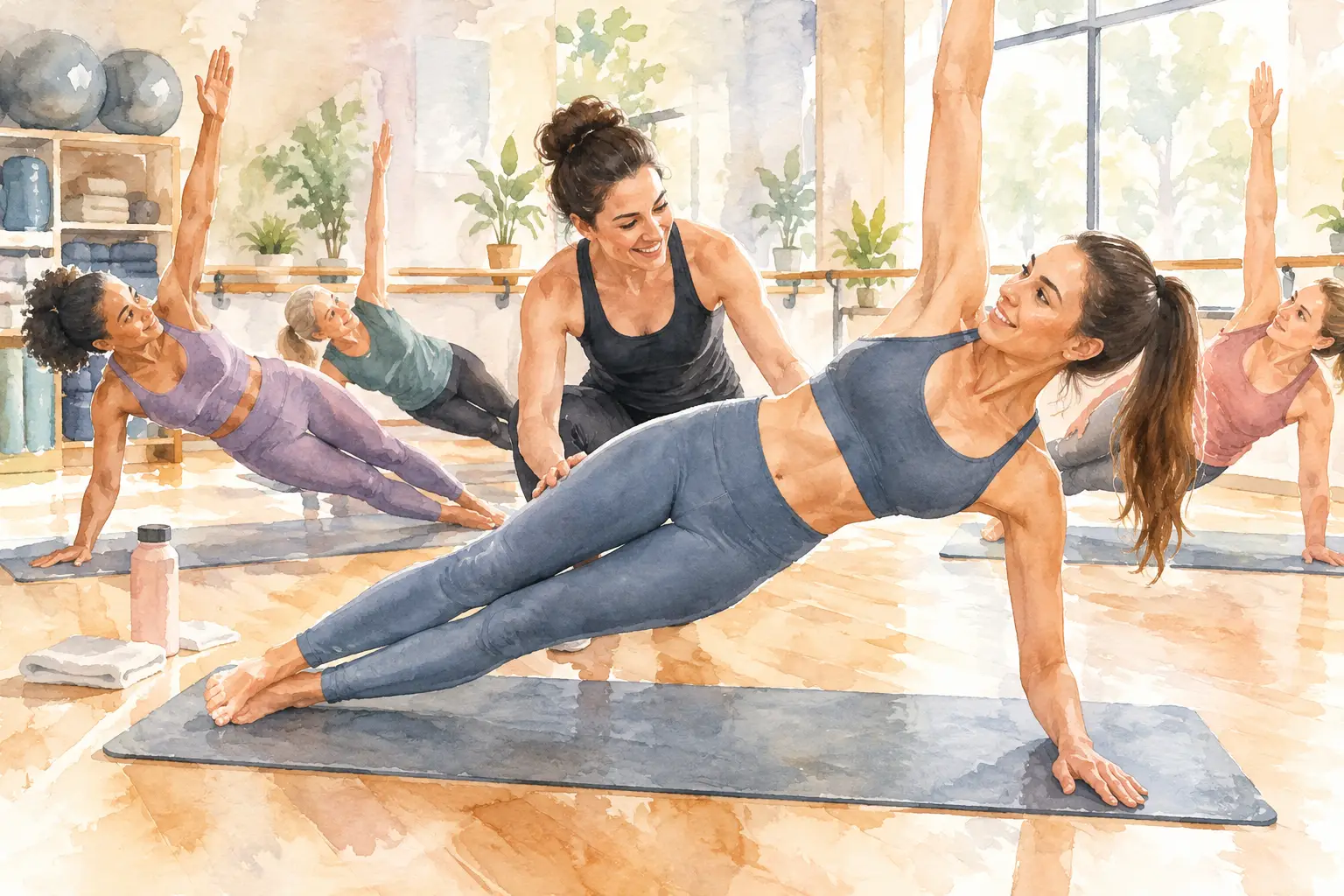
Find the best core stability moves for stronger posture, better balance, and confident low-impact movement, with form tips for every fitness level at home.