
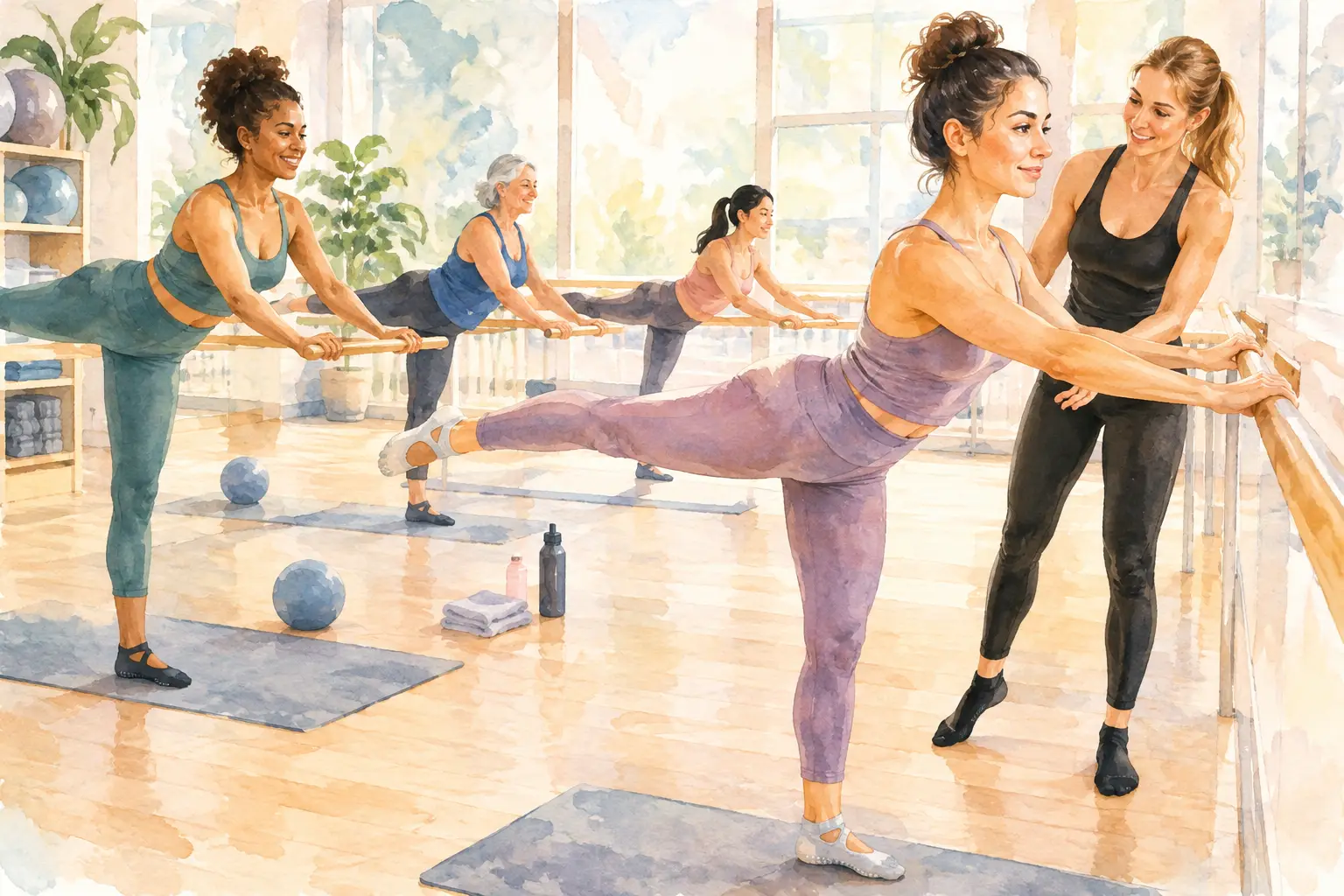
Are Barre Socks Necessary for Every Class?
Are barre socks necessary? Learn when grip socks help with stability and hygiene, when they are required, and how to choose a comfortable pair for class.
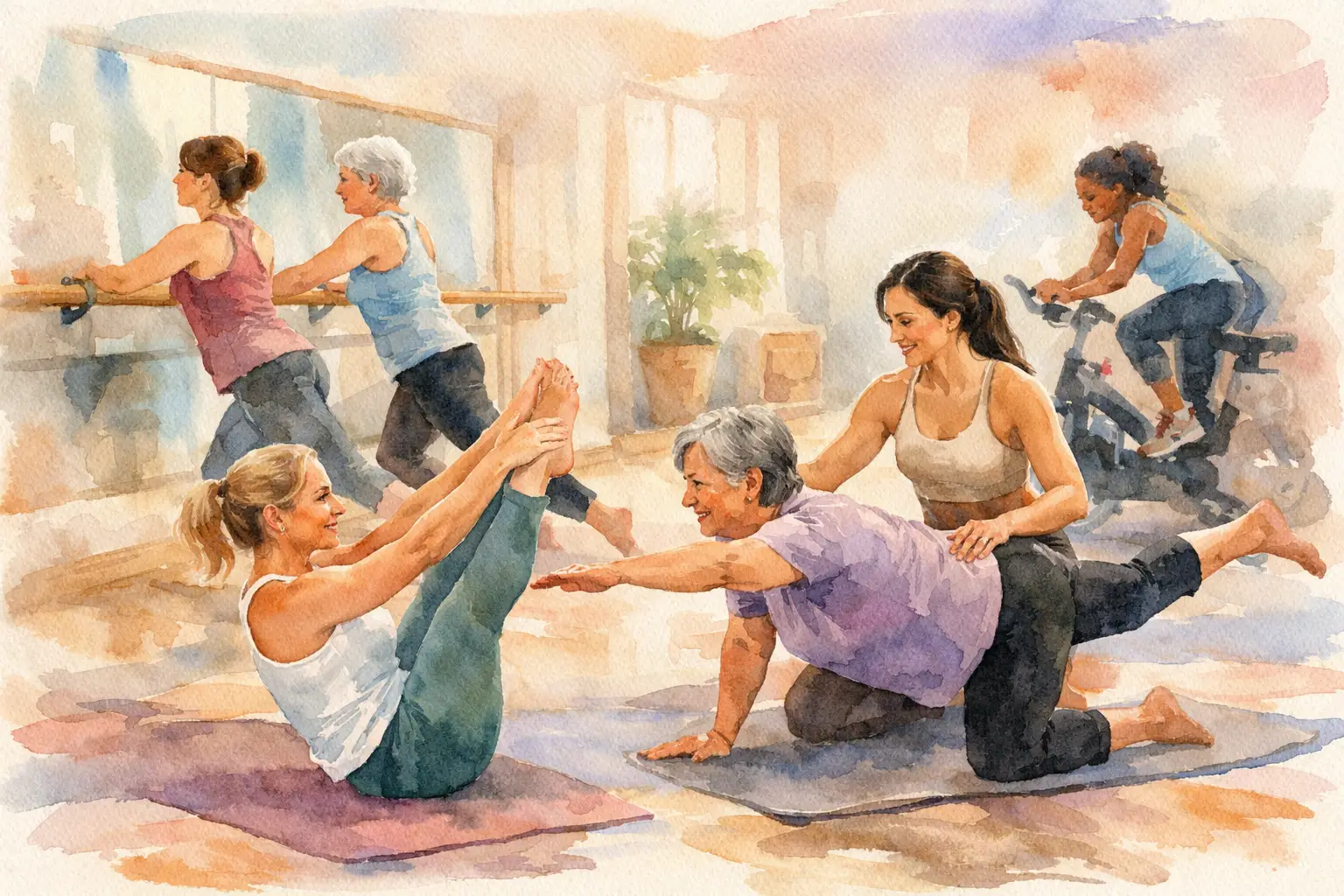
A workout does not need jumping, pounding, or all-out intensity to leave you feeling strong. The best low impact workouts ask your muscles to work with purpose while giving your joints the thoughtful support they deserve. You can build stamina, improve balance, strengthen your core, and walk out feeling more capable than when you arrived.
For many people, that combination is what makes a fitness routine stick. When movement feels challenging but approachable, it becomes easier to return to class, build consistency, and notice the small changes that add up: steadier posture, stronger legs, better mobility, and more confidence in everyday life.
Low impact does not mean low effort. It simply means your workout is designed to reduce repeated force through the joints. Rather than relying on hard landings or fast, jarring movements, low-impact formats use controlled strength work, steady cardio, intentional transitions, and smart alignment.
That can look like holding a barre position as your legs begin to shake, moving through a focused Pilates-inspired core sequence, cycling through a challenging hill climb, or using yoga to build strength and flexibility with control. Your heart rate can rise, your muscles can fatigue, and your focus can be fully engaged, all without making impact the main source of intensity.
The difference is in the details. Small ranges of motion, slower tempos, resistance, isometric holds, and precise form can create a serious challenge. An experienced instructor helps you find that challenge while offering options that fit your body and your starting point.
A workout plan only works if it has room in your real life. If every session leaves you feeling overly depleted or uncomfortable, showing up again can become harder. Low-impact fitness offers a more sustainable path because it lets you train strength, endurance, mobility, and balance without treating every class like a test.
This approach can be especially welcoming if you are new to structured exercise, returning after time away, navigating pregnancy, or looking for movement that feels kinder to your knees, hips, ankles, and back. It also works beautifully for experienced exercisers who want to complement an active routine with focused, joint-conscious training.
There is a trade-off worth understanding: low impact still requires attention. Controlled movement can reveal imbalances, weak points, and habits like gripping the shoulders or rushing through a position. That is not a reason to avoid it. It is an opportunity to learn how your body moves and get stronger with better awareness.
The most effective low impact workouts do not ask one style of movement to do everything. A varied routine gives your body different kinds of support throughout the week.
Barre combines small, precise movements with longer holds and thoughtful repetition. It is especially effective for building endurance in the legs, glutes, core, and arms while encouraging upright posture and body awareness. You may not be moving across the room, but you will feel the work.
Because barre can be modified so easily, it meets people at many fitness levels. A coach can help you adjust your range of motion, use the barre for balance, or add an extra challenge when you are ready. The goal is not to copy the person beside you. It is to find the version of the movement that helps you work with confidence and control.
Core strength is about much more than one muscle group. It supports how you stand, bend, reach, sit, and carry yourself through the day. Pilates-inspired movement uses breath, alignment, and intentional control to strengthen the deep muscles that help you feel stable and connected.
Expect focused work that challenges your center while also bringing attention to the hips, glutes, and back body. The pace may feel measured, but the effort is real. Over time, that control can translate into better posture, improved balance, and a stronger foundation for other activities you enjoy.
Yoga offers a valuable counterbalance to busy schedules and repetitive daily movement. A well-taught class can help you explore flexibility, mobility, strength, and balance without pressure to force a shape or perform perfectly.
Some days, yoga may feel energizing. On other days, it may offer the chance to slow down, breathe deeply, and release the tension that collects in your shoulders and hips. Both experiences have a place in a consistent routine. The right class depends on what your body needs that day.
For anyone who wants a heart-pumping workout without the repeated impact of running, indoor cycling is a powerful option. Resistance and cadence create the challenge, while the bike supports a smooth, controlled ride.
Cycling can build cardiovascular stamina and leg strength while giving you the freedom to adjust your effort. You can add resistance, ease back, or focus on steady pacing based on your energy level. Good setup matters here, which is why instructor guidance can make a big difference from your first ride onward.
Progress in low-impact fitness usually comes from consistency, not from trying to do the most every time you step into class. Aim to move regularly enough that your body can learn the patterns, then give yourself permission to take modifications when they help you maintain quality form.
A balanced week might include a barre class for muscular endurance, a cycling class for cardio, and yoga or Pilates-inspired training for mobility and core connection. The exact mix depends on your schedule, goals, and how you feel. Three intentional classes can be more valuable than an overly ambitious plan you cannot maintain.
Pay attention to signs of progress that go beyond a number on a scale. Maybe you hold a plank with more control, feel steadier on one leg, sit taller at your desk, or have more energy for a beach walk with friends. These are meaningful results because they reflect strength you can use.
It also helps to leave comparison at the door. Every body arrives with a different movement history. Some people are building confidence after a long break, while others are refining familiar skills. A supportive studio environment gives everyone room to work at an appropriate level without feeling singled out.
Your first class is not an audition. Arrive a little early, let your instructor know that you are new, and ask any questions you have about setup or movement options. Wear clothes that let you move comfortably, bring water, and focus on learning rather than getting every position exactly right.
The most useful mindset is simple: stay curious. Notice how the movement feels, where you are working, and when you may need to make an adjustment. A good instructor will offer clear cues and encouragement, whether you are taking a gentler option or ready to increase the challenge.
At Sea Barre Fitness, classes are built around that coach-led support. You can expect guidance that helps you move with intention, plus a welcoming community that makes it easier to return for the next class.
Your next workout does not have to leave you worn down to be worthwhile. Choose movement that helps you feel strong, supported, and proud of what your body can do, then give yourself the consistency to let that strength grow.
Are barre socks necessary? Learn when grip socks help with stability and hygiene, when they are required, and how to choose a comfortable pair for class.
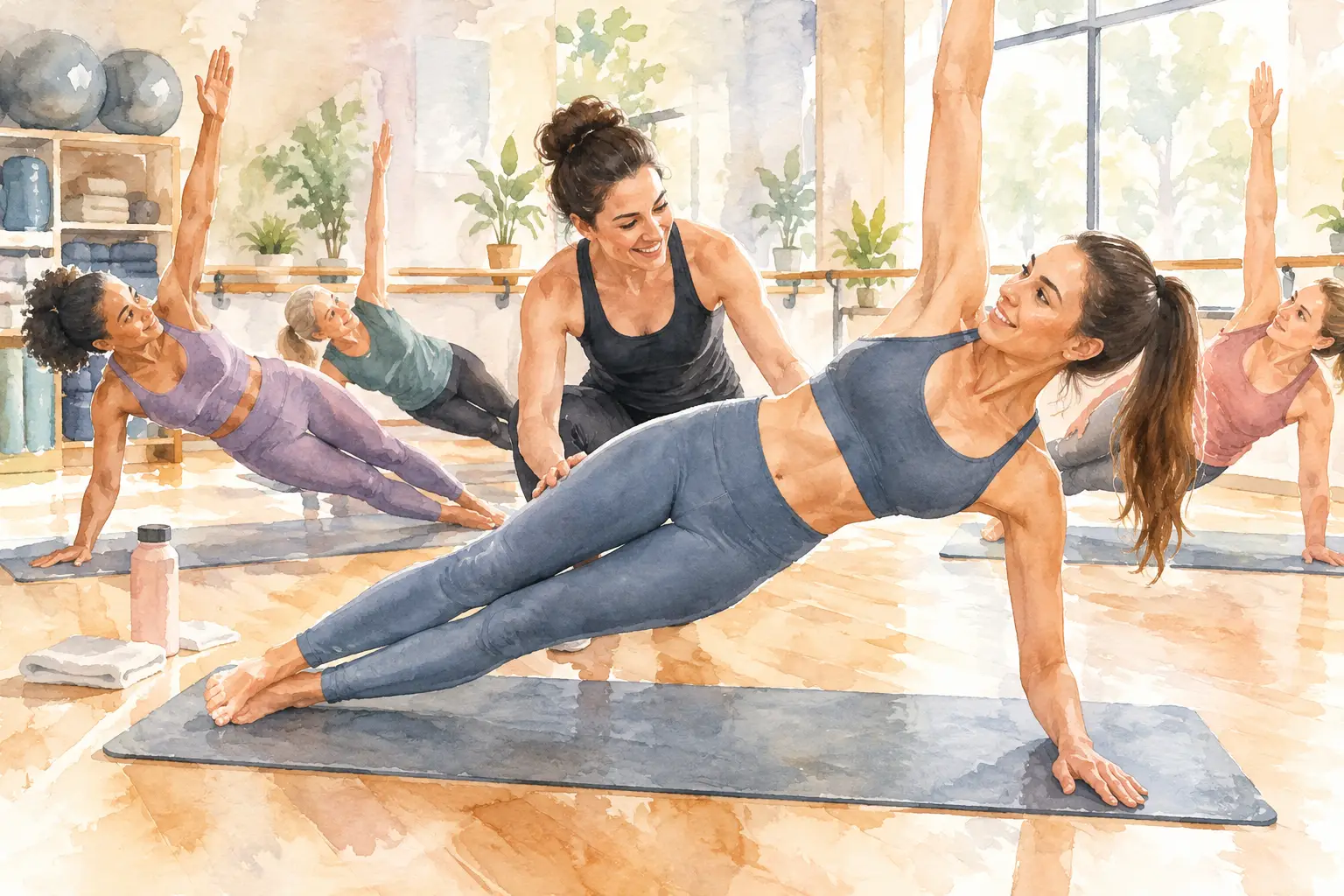
Find the best core stability moves for stronger posture, better balance, and confident low-impact movement, with form tips for every fitness level at home.