
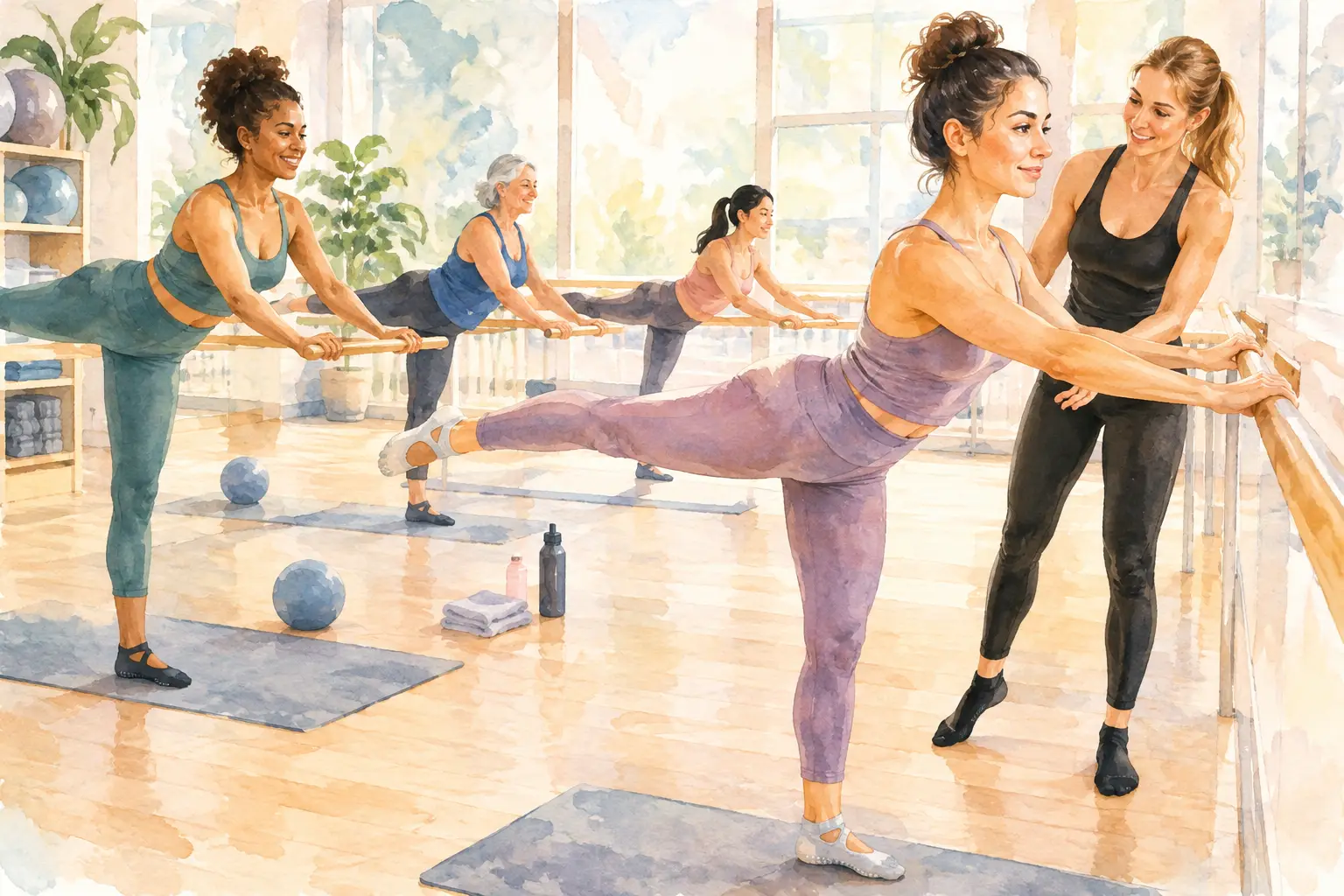
Are Barre Socks Necessary for Every Class?
Are barre socks necessary? Learn when grip socks help with stability and hygiene, when they are required, and how to choose a comfortable pair for class.
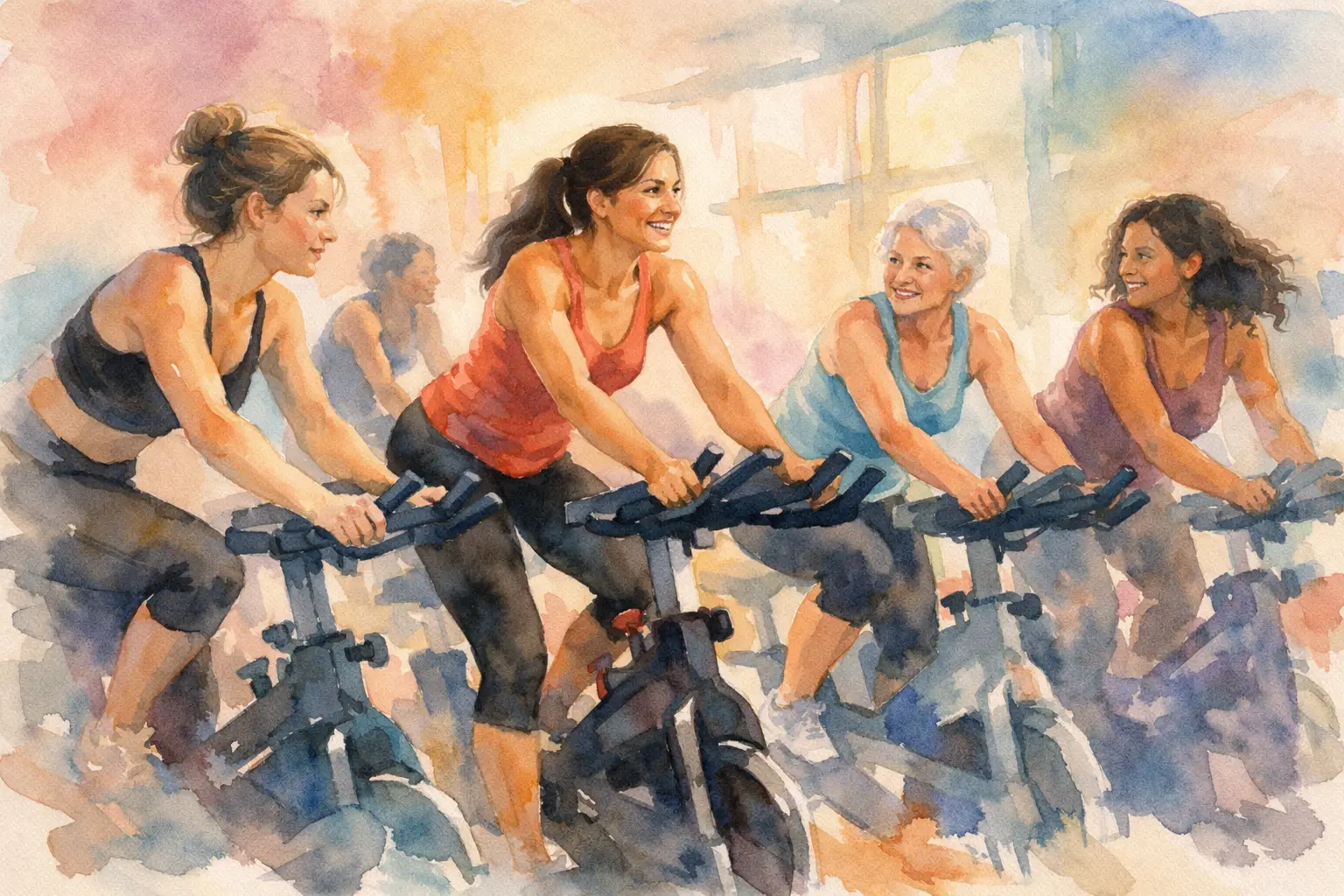
The first few minutes of indoor cycling classes can feel like a fresh start: the music rises, the room settles in, and your only job is to meet yourself where you are. You do not need to be a seasoned rider or arrive with a certain fitness level. With a bike set up for your body and an encouraging coach at the front of the room, you can build stamina one ride at a time.
Indoor cycling is a powerful way to work on cardiovascular endurance, lower-body strength, and confidence without the pounding that comes with high-impact exercise. It is challenging in a way that feels purposeful, yet the resistance, pace, and position are always yours to adjust. That balance makes cycling a natural fit for people returning to movement, building a regular routine, or looking for a supportive new way to feel strong.
An instructor-led cycling class is more than pedaling fast in a dark room. It is a guided workout built around intervals of effort and recovery. Your coach may cue you to add resistance, pick up your pace, ride seated, or rise gently into a standing position. Each change gives your legs, core, and cardiovascular system a different kind of work.
The bike stays in one place, but the ride has variety. One song may focus on a steady climb with added resistance. The next might invite a quicker, lighter cadence. These shifts help the class feel engaging while allowing you to practice both controlled strength and sustained endurance.
Most importantly, the experience is adjustable. Resistance is not a test of toughness. It is a tool. A newer rider may choose a lighter setting and focus on steady breathing, while someone with more cycling experience may add a little more challenge. Both riders can have an effective class because both are working with intention.
Cycling lets you create meaningful effort without repetitive impact on your joints. Because the bike supports your body weight, you can focus on building leg strength and stamina through a smooth, circular pedal stroke rather than jumping, running, or landing.
That does not mean every ride feels easy. A well-coached cycling class can absolutely leave you feeling accomplished, warm, and energized. The difference is that you control the intensity through resistance and speed. This makes the format especially welcoming when you want a workout that meets you with support rather than asking you to push through discomfort.
Indoor cycling can also complement the rest of your movement routine. Barre and Pilates-inspired classes can help you build core awareness, posture, and stability. Yoga can create space for mobility and recovery. Cycling adds a focused endurance element that helps round out a week of feel-good training. The best mix depends on your schedule, goals, and how your body feels, not on following a rigid plan.
Regular rides can strengthen the muscles that power daily movement, including your glutes, thighs, calves, and core. As you become more familiar with the bike, you may notice that longer periods of effort feel more manageable. Climbing stairs, carrying groceries, or keeping up during a busy beach weekend can start to feel less draining.
There is a mental side to that progress, too. Every time you choose a resistance that is right for you, stay present through a challenging song, or return after a busy week, you are building trust in yourself. That confidence often matters more than chasing a perfect number on the bike screen.
Consistency is where results begin to add up. A single class can boost your mood and help release the tension of a long day. A regular practice can support stronger habits, improved stamina, and a routine that feels like part of your life. The goal is not to leave every class completely spent. The goal is to leave knowing you showed up for yourself.
Arrive a few minutes early so your instructor can help you get comfortable on the bike. Proper setup matters. The seat height, handlebar position, and distance between the seat and handlebars can all affect how supported you feel during the ride. A coach can walk you through the adjustments and answer questions before class begins.
Wear clothing that lets you move comfortably, and bring water. Cycling shoes can be helpful if your studio uses them, but many classes also offer pedals that work with regular athletic shoes. There is no need to overprepare. The most useful thing you can bring is a willingness to learn the rhythm of the ride.
During class, listen for effort-based cues rather than trying to copy the rider next to you. If your instructor calls for more resistance, add a small amount and notice how it feels. If a standing position does not feel right that day, stay seated and keep pedaling. Taking a breath, easing back, or skipping a cue is part of smart training. Your workout still counts.
Keep a soft bend in your elbows and avoid gripping the handlebars too tightly. Let your shoulders relax away from your ears, and think about a tall, supported posture through your upper body. As your legs pedal, engage your core gently so you feel stable rather than tense.
Try not to race ahead of the beat or force your resistance too high too soon. Smooth, steady effort is often more valuable than a short burst that leaves you unable to recover. Over time, you will learn which settings feel challenging and sustainable for your body.
For many people, one or two cycling classes each week is a great place to start. That gives you time to become comfortable with the format while leaving room for mobility work, strength-focused classes, rest, and everyday life. If cycling becomes a favorite part of your routine, you may choose to ride more often, but variety still has value.
Pay attention to your energy, sleep, and how your muscles feel between rides. Some weeks call for a stronger push; others call for a lighter ride or a yoga class instead. Fitness does not have to look the same every week to be effective. A routine you can return to is more valuable than one that asks too much too quickly.
If you are pregnant, returning after an injury or extended break, or working around individual movement considerations, speak with your health care professional about what is appropriate for you. Then let your instructor know what support would help you feel comfortable. A welcoming studio should make room for real life, not make you feel like you need to hide it.
It is easier to stay consistent when people know your name, celebrate your progress, and offer guidance without judgment. Boutique indoor cycling classes bring together the energy of a group workout with the personal attention that can be missing in a crowded gym.
At Sea Barre Fitness, coaches are there to help you understand the ride, not simply keep up with it. Whether you are trying cycling for the first time or returning to a fitness routine after time away, you deserve clear cues, thoughtful modifications, and a room where every body belongs.
The community matters after class, too. A familiar face beside you can turn an early-morning booking or an after-work ride into something you genuinely look forward to. That sense of connection is not an extra. For many people, it is what makes a fitness routine sustainable.
Your strongest ride is not necessarily the one with the highest resistance or fastest pace. It is the one that helps you feel capable enough to come back. Choose a class time that fits your real schedule, let your coach guide the setup, and give yourself permission to begin exactly where you are.
Are barre socks necessary? Learn when grip socks help with stability and hygiene, when they are required, and how to choose a comfortable pair for class.
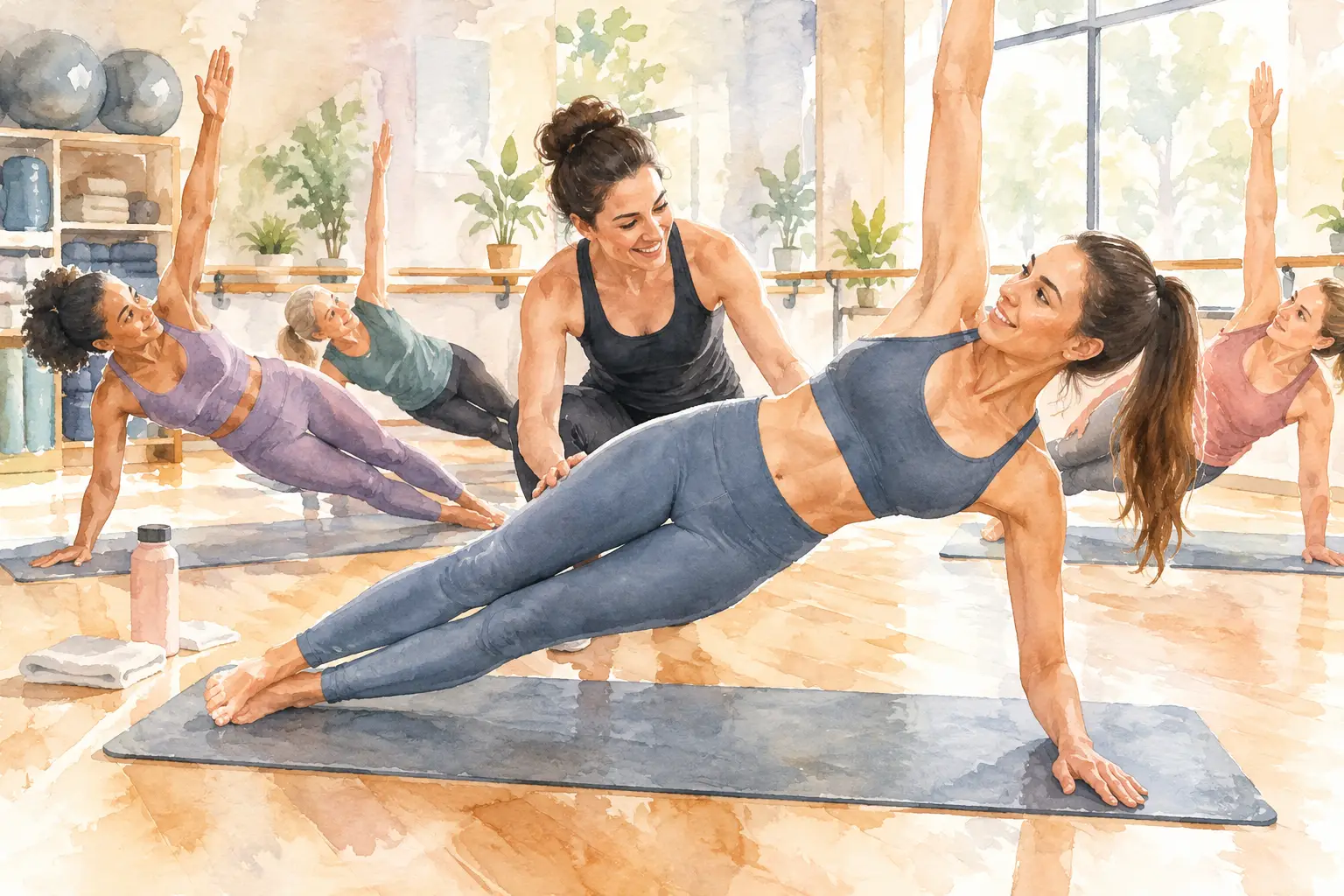
Find the best core stability moves for stronger posture, better balance, and confident low-impact movement, with form tips for every fitness level at home.