
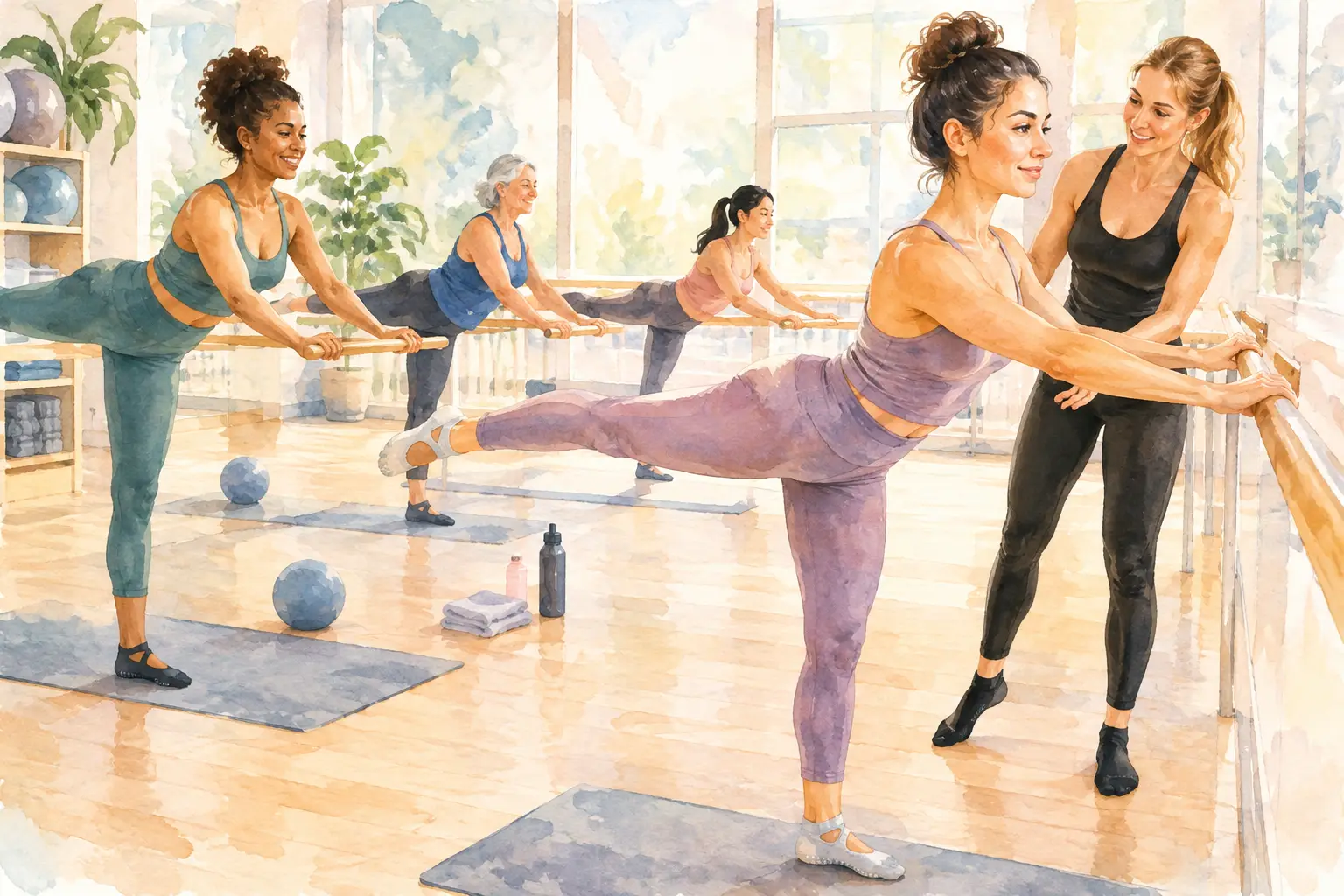
Are Barre Socks Necessary for Every Class?
Are barre socks necessary? Learn when grip socks help with stability and hygiene, when they are required, and how to choose a comfortable pair for class.
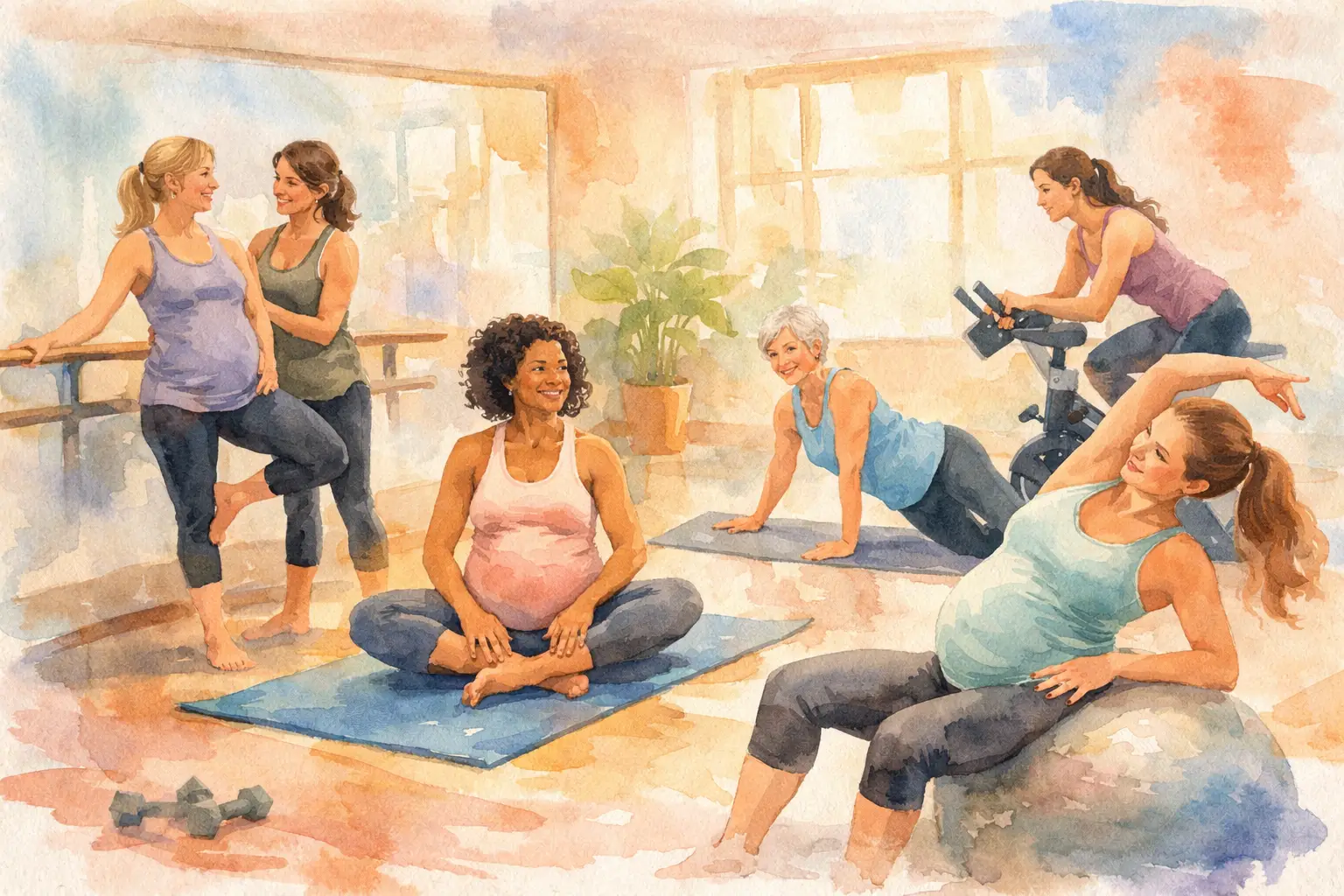
The day you learn you are pregnant can change the way you look at every workout. Suddenly, a familiar class may bring new questions: Is this move still comfortable? Should I slow down? Can I keep building strength? The right pregnancy fitness classes make room for those questions without making you feel like you have to sit on the sidelines.
Movement during pregnancy does not need to be all-or-nothing. For many people, it is a chance to stay connected to their body, maintain a routine, and feel supported by a coach and community. The goal is not to push through discomfort or chase a certain look. It is to move with care, build practical strength, and leave class feeling more capable than when you walked in.
A supportive prenatal-friendly class recognizes that your body, energy, balance, and comfort can shift from week to week. An instructor-led setting gives you options rather than a one-size-fits-all workout. That might mean choosing a smaller range of motion, adding support at the barre, taking a balance option near a wall, or replacing a movement that does not feel right that day.
Low-impact barre, Pilates-inspired strength work, yoga, mobility training, and thoughtfully adjusted cycling can all fit into a pregnancy movement routine. Each format offers something a little different. Barre can support posture, lower-body endurance, and balance. Pilates-inspired work can help you connect with deep core stability and controlled movement. Yoga can create space for mobility, breathing, and a calmer reset. Cycling can offer a steady cardiovascular option when it feels comfortable for you.
The best format depends on your experience, your pregnancy, and how you feel when you arrive. A class you loved early in pregnancy may need different modifications later on. That is not a setback. It is responsive training.
Before beginning or changing an exercise routine during pregnancy, check in with your prenatal care provider. They can help you understand what is appropriate for your individual circumstances. Once you have that guidance, tell your instructor you are pregnant before class begins, even if it is not showing yet.
A good coach does more than point out modifications from across the room. They help you find a setup that feels secure, offer choices without drawing unwanted attention, and remind you that resting is part of the workout when your body asks for it. At Sea Barre Fitness, that coach-led approach helps clients feel welcome whether they are brand new to class or adapting a longtime routine.
During class, use comfort and control as your guide. You should be able to breathe steadily and feel present in the movement. If something causes pain, dizziness, pressure, leaking, bleeding, or simply feels off, stop and seek guidance from your provider as needed. Pregnancy is not the time to prove how hard you can go. It is the time to practice paying attention.
Pregnancy fitness is often described as gentle, but gentle does not mean ineffective. Consistent low-impact work can feel challenging in the best way: focused, steady, and designed around muscles that support everyday life.
Think about the movements you repeat without much thought. Standing from a chair, carrying groceries, climbing stairs, getting comfortable in bed, and eventually lifting and holding a baby all ask for strength, balance, and body awareness. Classes that include controlled squats, supported lunges, upper-body strength, posture work, and intentional core connection can help you maintain those foundations.
The core conversation deserves a little nuance. Pregnancy does not mean you have to avoid all core work. It does mean that the goal changes. Rather than chasing intense abdominal exercises, look for movements that emphasize breath, alignment, stability, and connection. A knowledgeable instructor can offer alternatives to traditional exercises that no longer feel supportive.
As your center of gravity changes, posture can change with it. You may notice more tension through the hips, upper back, chest, or lower back. Mobility-focused movement can help you feel less stiff, while strength around the hips, glutes, back, and shoulders can support better alignment through daily activities.
There is no need to force a deep stretch or hold a shape that feels unstable. Think of flexibility as having enough comfortable range to move well, not as reaching the farthest possible position. A few intentional adjustments can make a class feel better immediately: a wider stance, softer knees, extra support, or a slower pace.
Not every class marketed as prenatal is automatically the best fit, and you do not have to limit yourself to a label alone. Look for a studio where instructors are prepared to offer modifications and where the culture makes it easy to use them.
Ask how the instructor handles pregnancy-related adjustments. Do they invite you to share your needs before class? Can they suggest alternatives for lying flat, balance work, jumping, or any position that becomes uncomfortable? Are props and the barre available to create more stability? Clear, calm answers are a good sign.
The atmosphere matters just as much as the class plan. A supportive studio does not treat modifications as less-than. You should never feel pressured to keep pace with someone else or apologize for taking a water break. The right room lets you work hard within your own boundaries while still feeling part of the group.
Scheduling is worth considering, too. A class that is perfect on paper will not help much if it does not fit your changing energy and routine. Choose a time you can return to consistently, and give yourself permission to adjust that plan as pregnancy progresses.
Every pregnancy is different, so there is no universal trimester-by-trimester rulebook. Still, expecting your needs to change can make fitness feel less confusing.
In the first trimester, you may feel completely normal one day and wiped out the next. Nausea, fatigue, and changes in appetite can make a familiar workout feel different. Shorter sessions, more breaks, and a lighter approach may be exactly what supports consistency. Showing up for a few thoughtful movements counts.
As your body changes, you may want more space, more support, and fewer quick transitions. This is a great time to focus on controlled strength, posture, and balance with the barre, chair, or wall nearby. Your instructor can help adapt positions as needed, especially as lying on your stomach becomes impractical and certain movements no longer feel comfortable.
Late pregnancy can call for a slower pace, but it can still include meaningful movement. Gentle cycling, supported barre work, mobility, breathing, and strength exercises with plenty of options can help you stay connected to your routine. Some days, a class may look like fewer repetitions and more rest. That is still a successful session.
The most helpful pregnancy fitness plan is usually the one that is flexible enough to survive real life. Rather than setting a rigid number of workouts, begin with a rhythm that feels realistic. Maybe that is two studio classes each week, or one class plus a few walks and mobility sessions at home. If sleep is poor or your schedule shifts, adjust without guilt.
Bring water, wear clothing that lets you move comfortably, and arrive a few minutes early so you can speak with your instructor. Keep the focus on how you feel after class: more open, stronger, steadier, and more at ease in your body. Those are meaningful results.
Pregnancy asks a lot of you. Let your fitness routine be one place where you are coached, encouraged, and free to meet yourself exactly where you are today.
Are barre socks necessary? Learn when grip socks help with stability and hygiene, when they are required, and how to choose a comfortable pair for class.
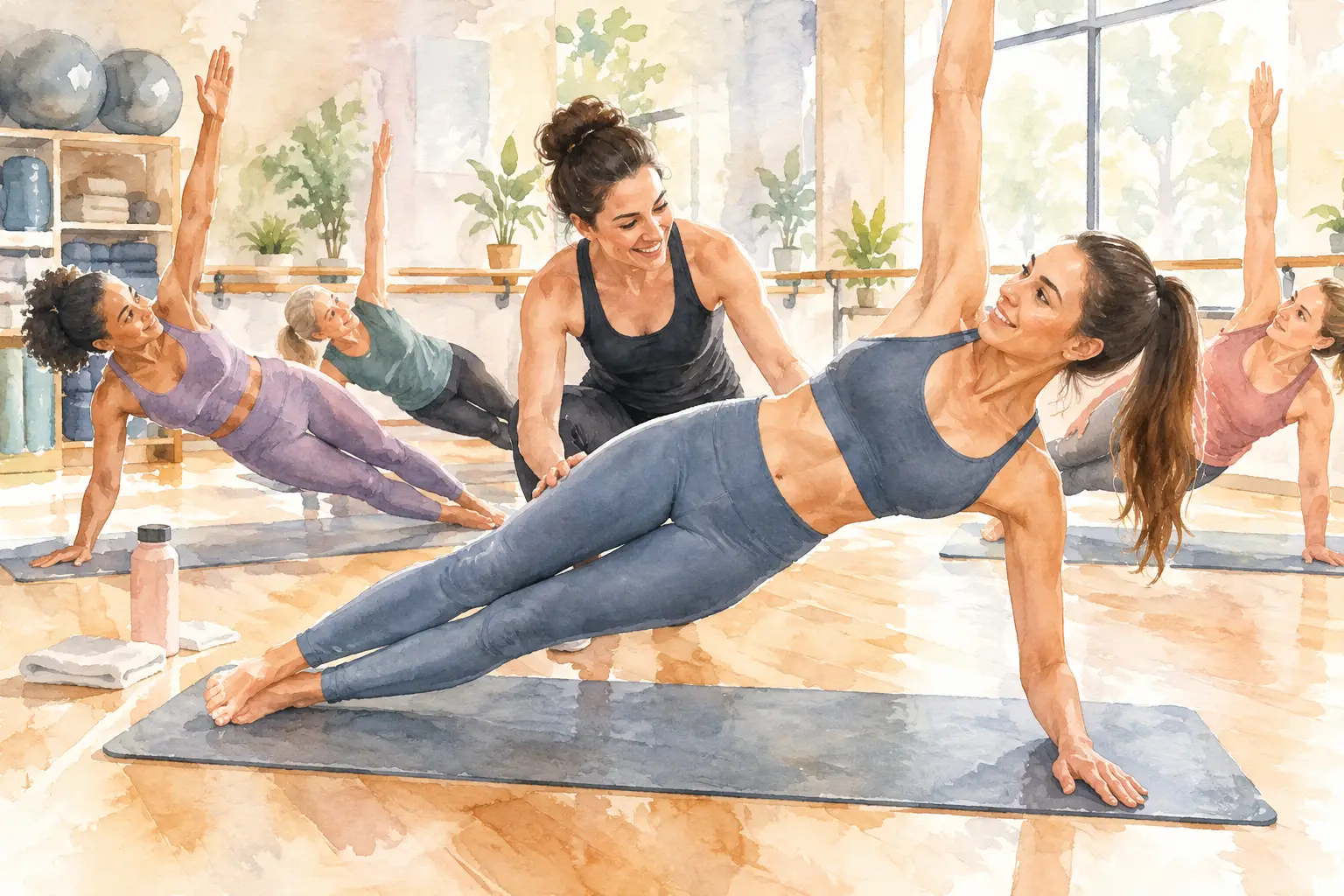
Find the best core stability moves for stronger posture, better balance, and confident low-impact movement, with form tips for every fitness level at home.