
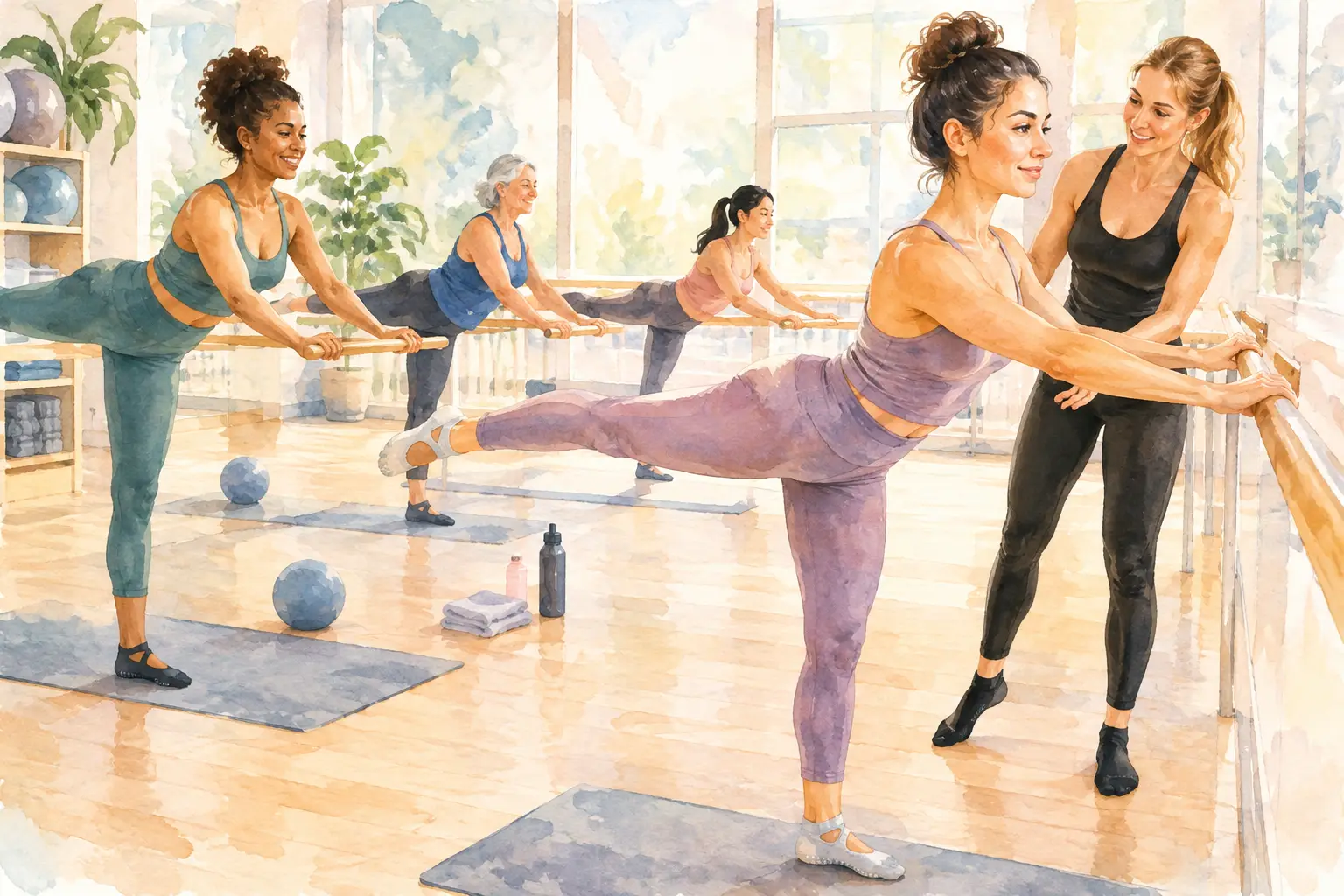
Are Barre Socks Necessary for Every Class?
Are barre socks necessary? Learn when grip socks help with stability and hygiene, when they are required, and how to choose a comfortable pair for class.
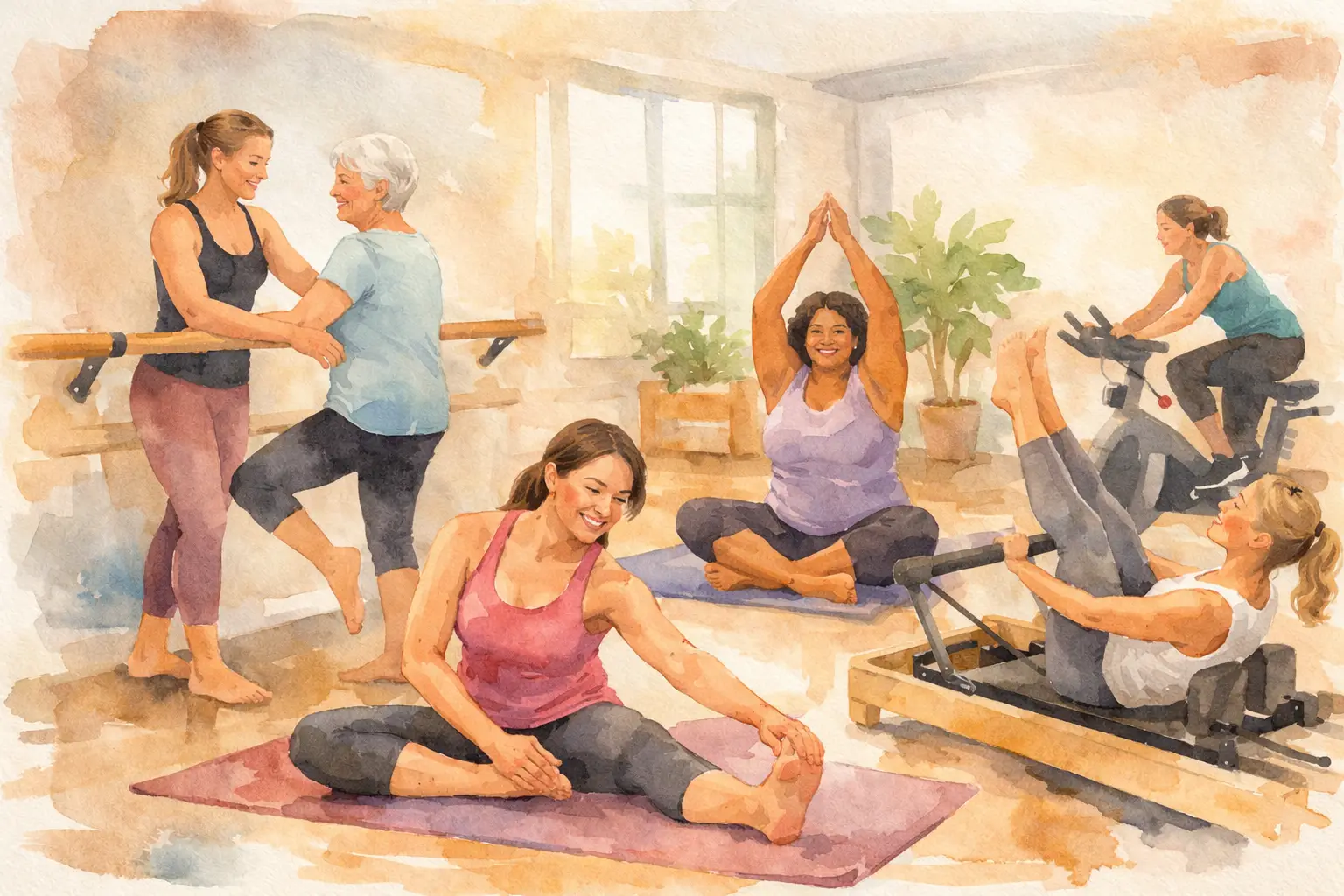
A fitness routine should fit into your real life – the early beach walk, the busy workweek, the season when schedules change, or the moment you decide you are ready to feel like yourself again. Personal training in Lewes gives you focused support without asking you to already know what to do, how to do it, or where to begin.
The right coach does more than count repetitions. They help you move with purpose, build a routine you can return to, and make each session feel challenging in a way that still feels welcoming. Whether you are new to structured exercise, returning after time away, or looking for a smarter next step in your fitness routine, individualized coaching can make progress feel more possible.
Personal training does not have to mean intimidating equipment, punishing workouts, or being pushed beyond what your body is ready for. At its best, it is a conversation between your goals, your current movement experience, and a coach who knows how to create a plan around both.
Your sessions may include low-impact strength work, core-focused exercises, mobility training, Pilates-inspired movement, barre techniques, yoga-based stretches, or indoor cycling for cardiovascular stamina. The mix depends on what you want from your time: stronger legs and glutes, better posture, greater flexibility, improved balance, more energy, or simply a consistent hour that is yours.
That flexibility matters. A person who spends much of the day seated may need a different focus than someone who already takes regular walks but wants to feel stronger and more stable. Someone easing back into movement may benefit from a slower build, while a regular class participant may want detailed coaching to refine form and break through a plateau.
The most useful goals are often less dramatic and more meaningful. Maybe you want to carry groceries with greater ease, feel steadier on the stairs, sit taller at your desk, or have the stamina to enjoy a full day with family and friends. Maybe you miss feeling connected to your body and want a routine that helps you rebuild that confidence.
A good trainer will listen for the goal behind the goal. “Tone up” may really mean feeling stronger in everyday clothes. “Get back in shape” may mean finding a routine that is kind to your joints and realistic for your calendar. You do not need perfect language or a finished plan before your first session. You only need an honest starting point.
Low-impact does not mean low effort. Controlled movement can create a deep strength challenge while being gentler on joints than jumping or high-impact training. Barre, Pilates-inspired work, yoga, and thoughtful resistance exercises ask muscles to work with precision. Small adjustments in alignment can make a movement more effective and help you understand how your body is moving.
This approach is especially appealing for beginners, people returning to exercise, and adults who want to train consistently without feeling worn down after every session. It can also be a great match during pregnancy when appropriate modifications and guidance are part of the plan. The best approach always depends on your comfort, experience, and individual needs.
Working out alone can be useful, but it is easy to repeat the same familiar movements, rush through technique, or skip sessions when life gets full. Personal training adds a layer of attention that can change the experience. A coach can notice when your shoulders are creeping up, when your core could provide more support, or when you are ready to try a little more.
Form coaching is not about being perfect. It is about helping each exercise work for you. When you learn how to stand with better alignment, engage the right muscles, and move at a pace you can control, exercise becomes less like guessing and more like a skill you can build.
There is also accountability, but it should feel encouraging rather than pressuring. The goal is not to make you feel guilty for having a busy week. It is to help you return, adjust the plan, and keep moving forward. Consistency rarely comes from motivation alone. It comes from having a session on the calendar, a coach who knows your goals, and a space where you feel comfortable showing up.
Your trainer may begin by asking about how you feel that day, what you have been doing outside the studio, and whether anything needs to be adjusted. From there, the session can build gradually: a warm-up to prepare your body, focused strength and mobility work, and time to slow down and reset before you leave.
Some days may emphasize lower-body strength and balance. Others may focus on core stability, posture, upper-body endurance, or flexibility. If you enjoy variety, your plan can include different movement styles so your routine stays fresh. If you prefer predictability, repeating key exercises can help you feel more confident as you notice progress.
The right level of challenge is personal. You should expect to work, to feel muscles engage, and to have moments that ask for focus. You should not feel as though you have to prove anything. A supportive coach will offer options, explain why a movement matters, and help you choose a version that matches your body on that day.
Personal sessions and group classes can work beautifully together. A one-on-one session gives you time to ask questions, practice technique, and receive detailed feedback. Group classes bring energy, variety, and the encouragement that comes from moving alongside others.
For many people, personal training creates the confidence to step into barre, yoga, cycling, or Pilates-inspired classes feeling more prepared. For others, classes form the foundation of a weekly routine while personal sessions offer added focus on individual goals. There is no single best schedule. Two classes and one personal session may be ideal for one person, while another may prefer a weekly coaching session alongside regular walks or at-home mobility work.
At Sea Barre Fitness, that blend of coach-led personal attention and welcoming group movement helps make fitness feel like a sustainable part of local life, rather than another obligation competing for your time.
Before you commit, pay attention to how a fitness space makes you feel. Are questions welcomed? Does the coach talk about modifications as a normal part of training? Do they explain movements in clear, approachable language? Can you picture yourself returning on a day when your energy is not at its highest?
Look for a trainer who asks about your experience, listens to what you enjoy, and respects your pace. Results matter, but so does the process that gets you there. A plan that feels punishing or overly complicated is difficult to maintain. A plan that helps you feel capable, supported, and stronger week by week has a much better chance of becoming a true routine.
It is also reasonable to ask about scheduling, session options, and how progress is tracked. Progress might show up as stronger form, more controlled movement, improved flexibility, better stamina, or the confidence to use a more challenging variation. The scale is not the only measure of a successful fitness journey, and it is often not the most meaningful one.
You do not need to get fitter before trying personal training. You do not need matching workout clothes, a long exercise history, or the confidence to walk into a room knowing exactly what to do. Arrive ready to share what you hope to feel and what has made exercise difficult in the past.
Bring water, wear clothing that lets you move comfortably, and give yourself permission to be new. Your coach can meet you there. The most powerful routine is not the one that looks impressive for a week. It is the one that helps you build strength, feel more at home in your body, and keep choosing yourself long after the first session.
Are barre socks necessary? Learn when grip socks help with stability and hygiene, when they are required, and how to choose a comfortable pair for class.
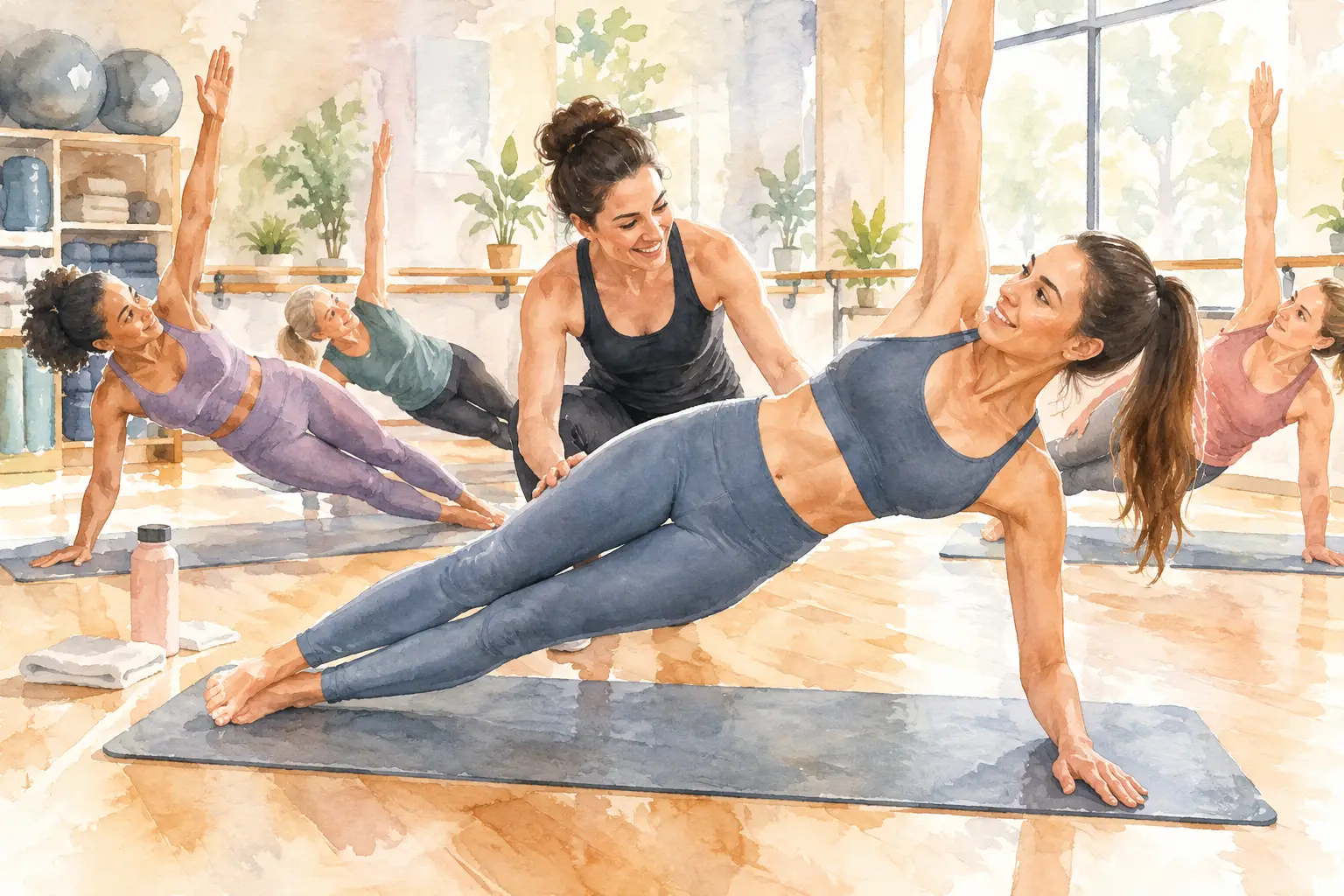
Find the best core stability moves for stronger posture, better balance, and confident low-impact movement, with form tips for every fitness level at home.