
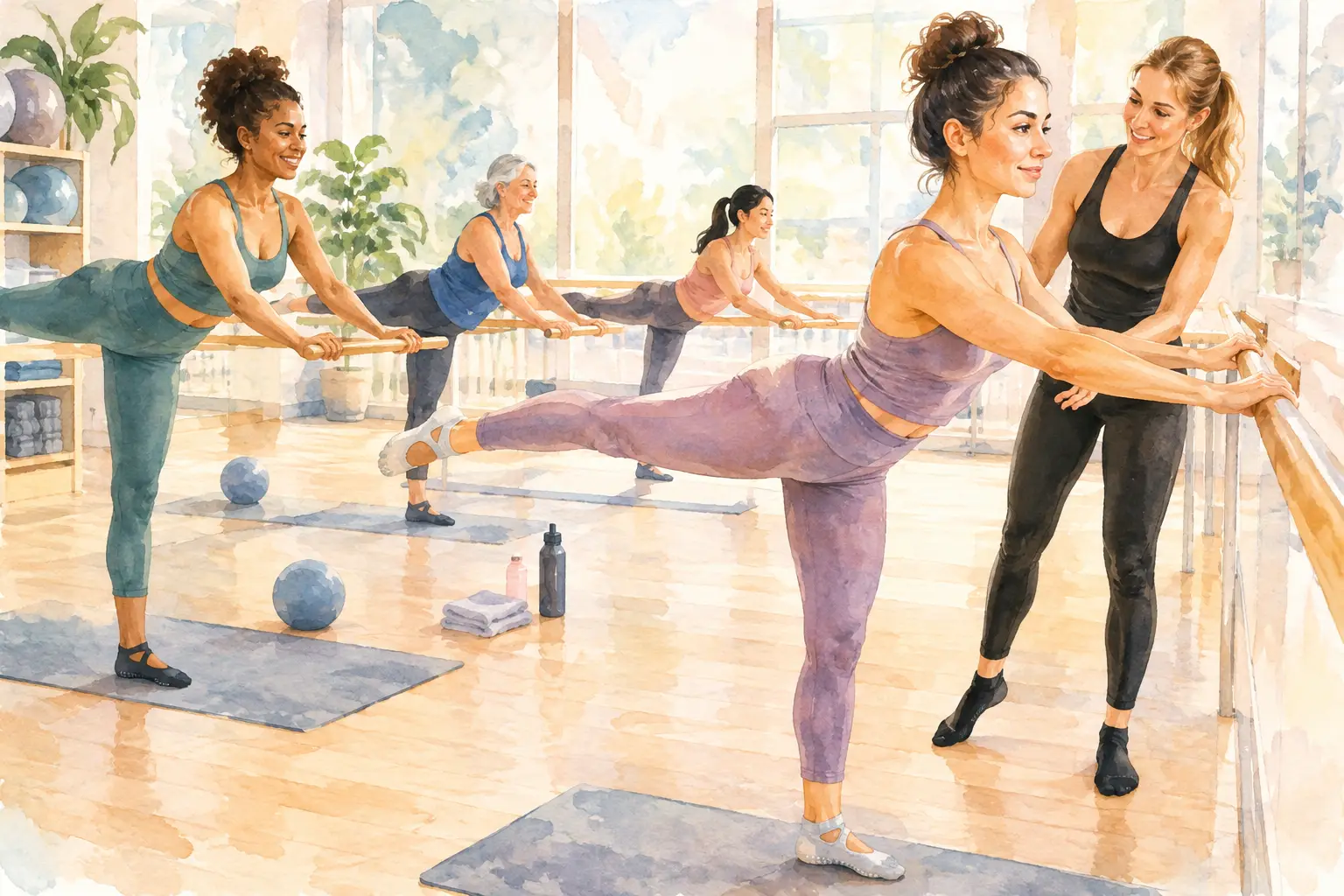
Are Barre Socks Necessary for Every Class?
Are barre socks necessary? Learn when grip socks help with stability and hygiene, when they are required, and how to choose a comfortable pair for class.
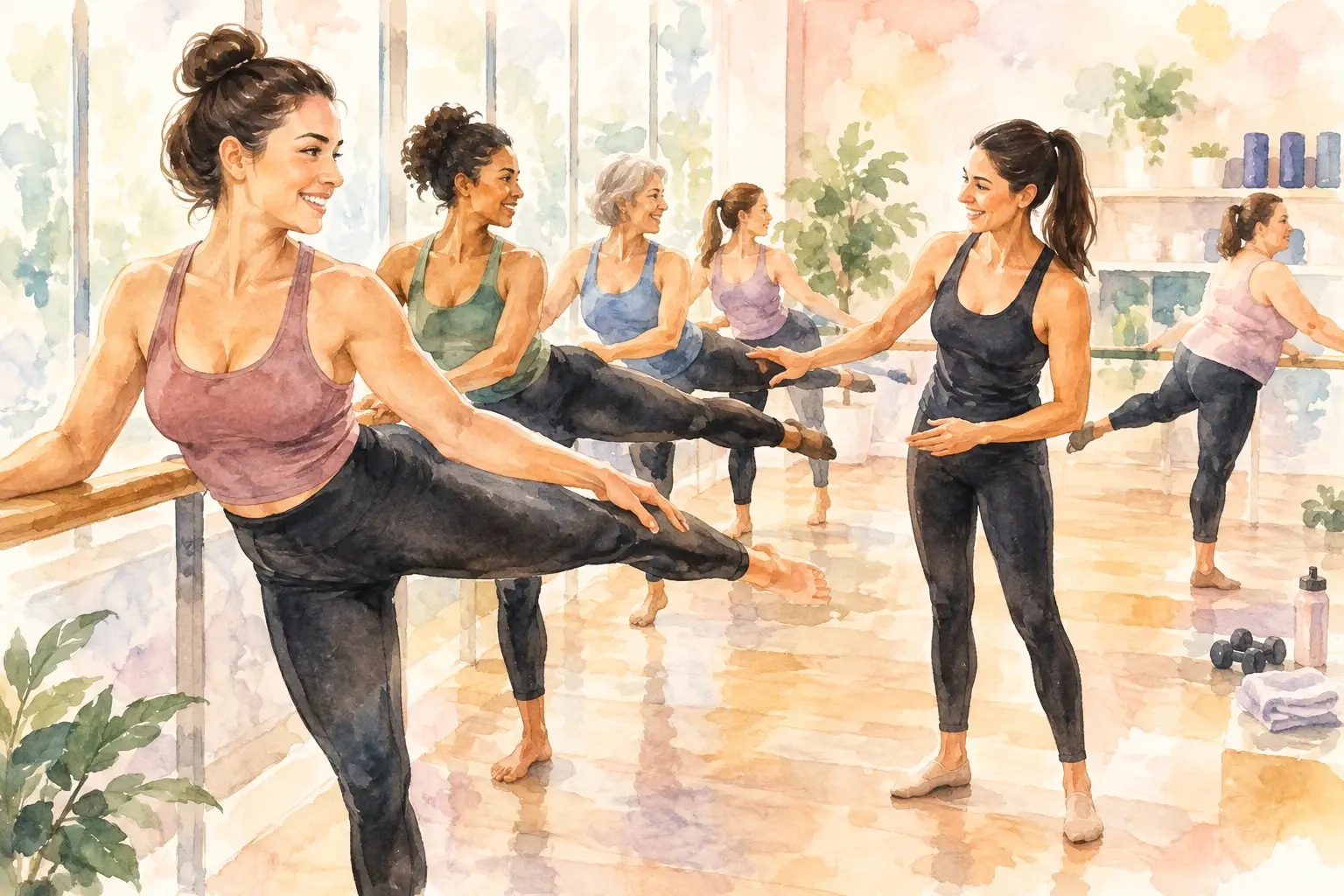
A barre class should leave you feeling worked in all the right places – not confused, overlooked, or worried that you have to keep up with someone else’s pace. If you are wondering how to choose barre, start with the experience you want to have: guided movement, thoughtful strength work, and a class you can return to consistently.
Barre is often described as low-impact, but that does not mean low effort. It uses small, controlled movements, bodyweight exercises, light props, and purposeful holds to challenge muscles while supporting balance, posture, mobility, and core strength. The right class can meet you where you are, whether you are new to structured fitness, returning after a break, or looking to add fresh energy to an established routine.
The best barre class for one person is not automatically the best fit for another. Before looking at a schedule, consider what you want your movement routine to support.
You may be looking to feel stronger through your legs and core, stand taller, improve flexibility, or build more stamina without high-impact exercise. You may also want an hour that helps you reset after a busy day and connects you with people in your community. All are worthwhile reasons to try barre.
Be specific, but leave room for the unexpected. Many clients arrive hoping to tone and strengthen, then discover that improved balance, better posture, and the confidence of doing something challenging are just as meaningful. Barre works best as a regular practice, so choose a class style that supports the way you want to feel week after week.
You do not need prior dance experience, a certain level of flexibility, or a perfect fitness history to begin. A welcoming barre studio should make that clear before you ever walk into the room.
If you are brand new, look for beginner-friendly language and instructors who explain the foundational positions, movements, and setup. Clear cues matter. You should know where to place your feet, how to adjust your posture, and what you are trying to feel in each exercise. The goal is not to copy the person beside you. It is to learn how the movement works in your own body.
If you are returning to exercise, a low-impact class can be a comfortable way to rebuild consistency. Small movements can feel surprisingly intense, but quality instruction makes the work approachable. Ask whether the instructor offers options for changing the range of motion, taking a pause, or reducing intensity while still participating fully.
Pregnant clients and those navigating physical limitations should look for a studio that encourages conversation before class. Movement needs can change from day to day. An instructor who welcomes questions and offers thoughtful modifications can help you feel included rather than singled out. Always follow guidance from your qualified healthcare provider when deciding what movement is right for you.
A great playlist and a beautiful studio can make class more enjoyable, but coaching is what makes barre feel effective and safe. Because barre uses precise, controlled movement, small adjustments can make a big difference in how an exercise feels.
Pay attention to how a studio describes its instructors. Do they emphasize form and individual support? Do they offer hands-on guidance only with permission, verbal modifications, or check-ins before and after class? Those details signal that the experience is built around people, not simply a fast-moving routine.
In a well-coached class, you will hear reminders to soften your shoulders, engage your core, lengthen through the crown of your head, or choose a smaller range of motion. These are not corrections meant to make you feel self-conscious. They are tools that help you build awareness and get more from the work.
The instructor’s energy matters, too. Some people love a lively, music-driven class. Others prefer a calmer pace with more time to settle into each exercise. Neither preference is wrong. Choose an environment that motivates you without making you feel pressured to push past what feels appropriate.
Barre is not one fixed format. Classes may focus more heavily on full-body strength, core work, mobility, cardio-inspired intervals, or slower technique. A studio may also offer barre alongside yoga, Pilates-inspired training, cycling, and personal training, giving you ways to build a routine with variety.
When comparing classes, read beyond the title. Look for a short description of the pace, primary focus, and expected experience level. A more athletic barre format may appeal when you want to build endurance, while a strength-and-mobility-focused class may be a better match on days when you want to move with intention and care.
It is also okay to choose different formats at different times. Your energy, schedule, and goals will shift. A sustainable fitness routine has room for that. Barre can be a strong foundation, while yoga may support flexibility and stress relief, and cycling can add a cardiovascular challenge without asking your joints to absorb repetitive impact.
The first few minutes of a new class can tell you a lot. Were you greeted? Did someone explain where to place your belongings, what equipment you need, and how the class will flow? Do the instructor and other clients create a space where beginners seem comfortable?
A supportive studio does not expect you to know everything on day one. It gives you a clear place to begin. You should feel comfortable asking where to stand, what to bring, and whether socks, water, or specific clothing are recommended.
Look for a community that celebrates consistency over perfection. Barre has a way of making even familiar exercises feel challenging, especially when your muscles begin to shake. That shake is not a performance for anyone else. It is simply feedback that you are working. The right room lets you focus on your own progress, take an option when you need one, and feel proud of showing up.
For Delaware beach-area clients, Sea Barre Fitness creates this kind of coach-led experience across Lewes, Millsboro, and Bethany. The focus is on building strength, mobility, confidence, and connection in a setting where all fitness levels are welcome.
The class that looks ideal on paper only helps if you can realistically attend it. Review the schedule with your real life in mind. An early morning class may sound motivating, but an after-work or weekend option could be easier to keep once the first burst of enthusiasm fades.
Location, class length, booking policies, and introductory offers all deserve consideration. A studio with convenient class times and an easy booking process removes friction from your routine. That matters more than people think. When exercise feels accessible, you are more likely to make it part of your week.
If possible, try more than one instructor or format before deciding that barre is or is not for you. Each coach brings a different rhythm and teaching style. One class may feel familiar right away; another may ask you to slow down and learn. Both experiences can be valuable.
You do not need a complicated wardrobe to take barre. Choose comfortable clothing that lets you bend, reach, and move freely. Many clients prefer leggings or fitted shorts with a tank or tee so they can move without adjusting their clothes throughout class.
Grip socks are commonly used in barre because they help you feel secure during balance work. Bring water, arrive a little early, and let the instructor know it is your first class. Most studios provide the equipment needed, but checking ahead removes any guesswork.
Most of all, arrive with curiosity. You may not recognize every term or nail every movement immediately. That is normal. Barre is a practice, and the benefits build through repetition, patience, and good guidance.
Choose the class that makes you feel supported enough to begin and motivated enough to come back. Stronger muscles, steadier balance, and greater confidence often start with one simple decision: giving yourself a place to move, learn, and belong.
Are barre socks necessary? Learn when grip socks help with stability and hygiene, when they are required, and how to choose a comfortable pair for class.
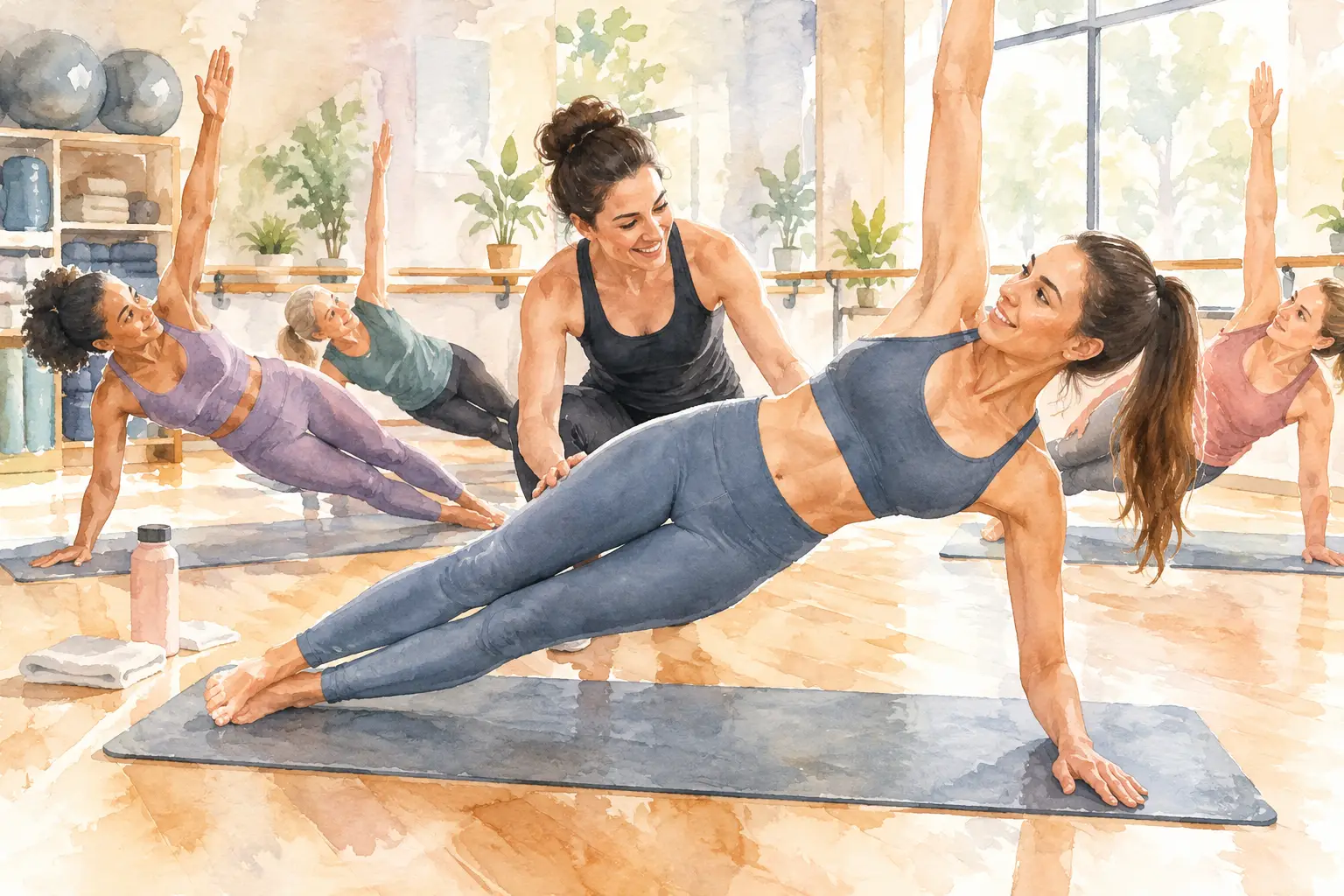
Find the best core stability moves for stronger posture, better balance, and confident low-impact movement, with form tips for every fitness level at home.