
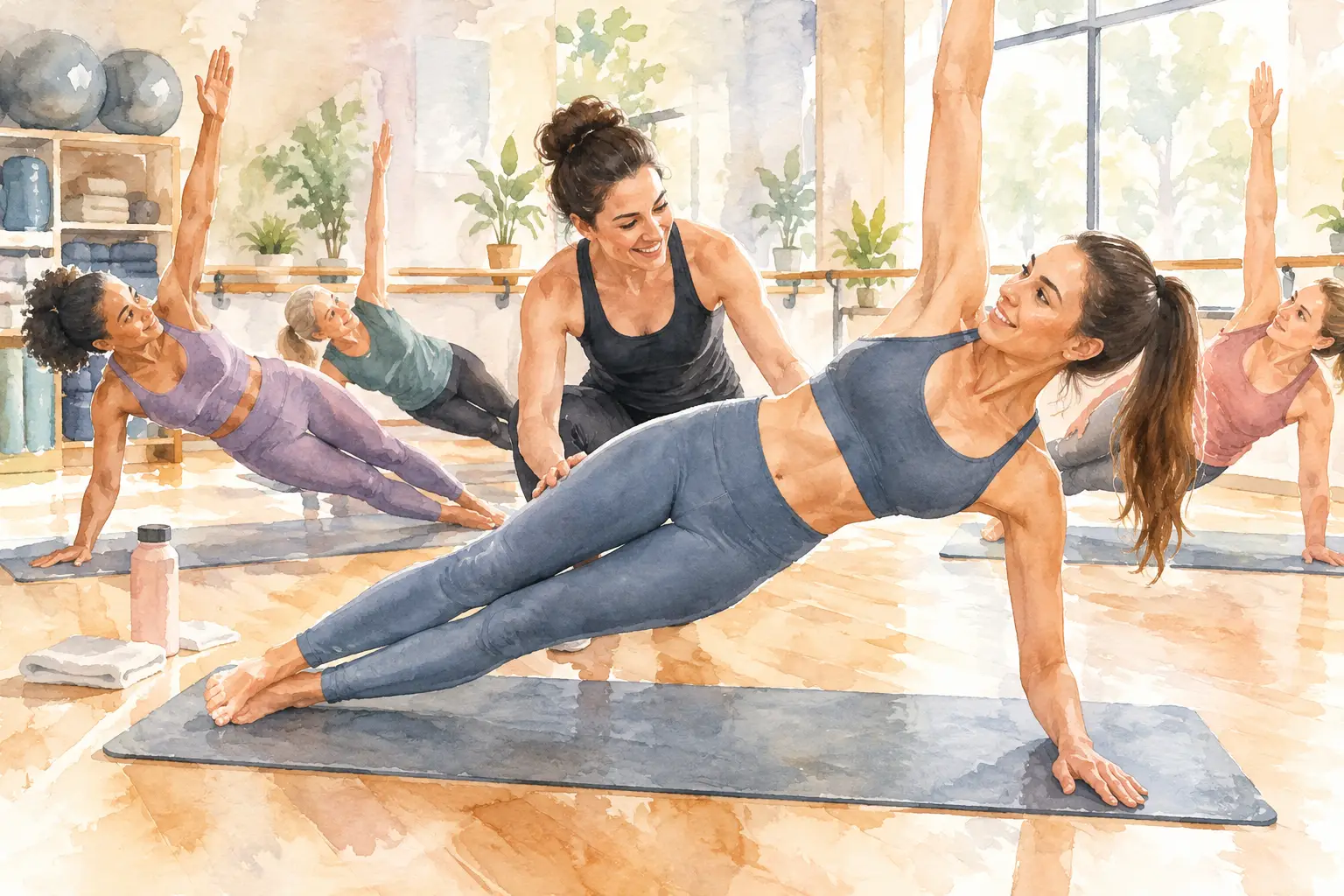
The Best Core Stability Moves for Everyday Strength
Find the best core stability moves for stronger posture, better balance, and confident low-impact movement, with form tips for every fitness level at home.
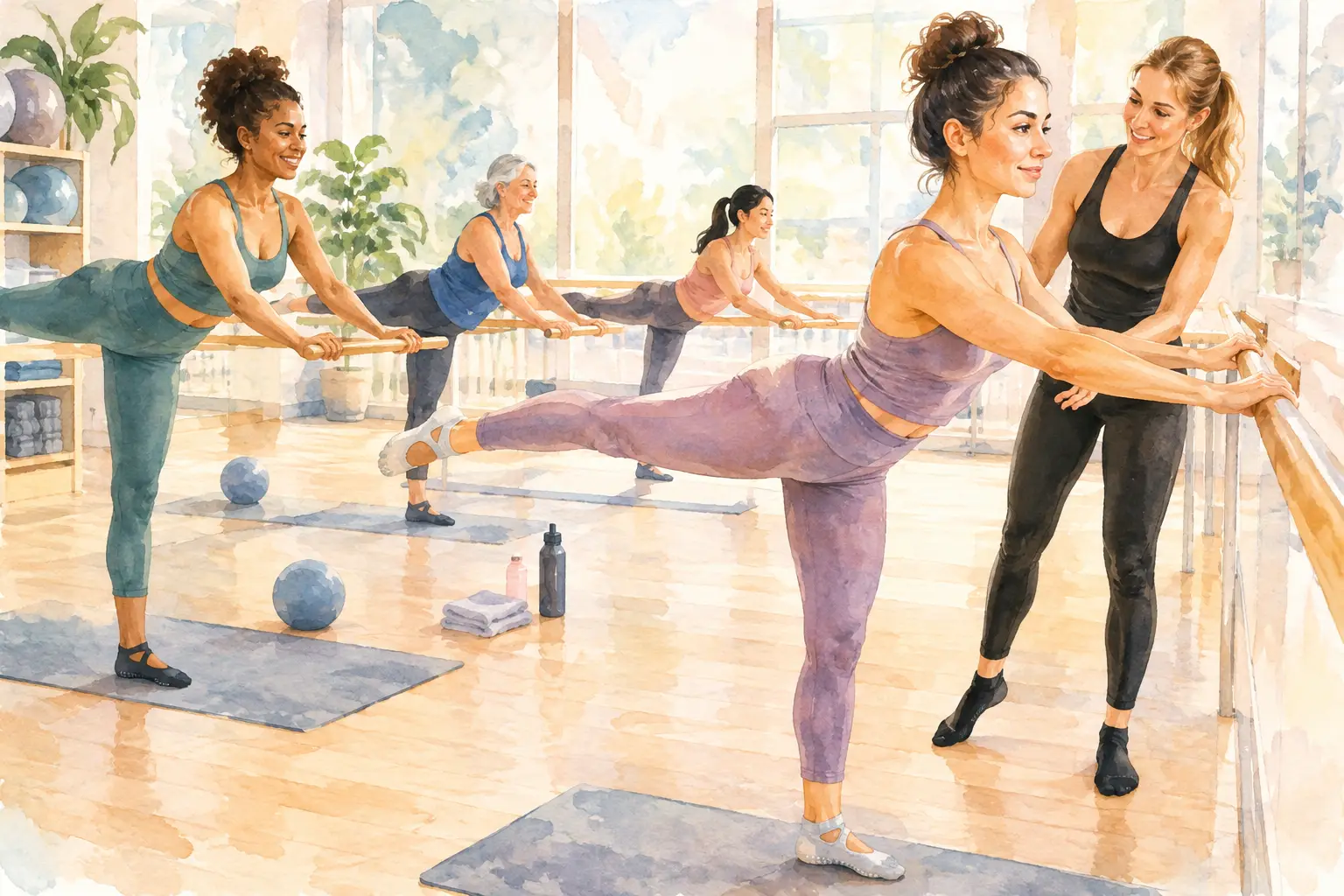
You are halfway through class, holding a shaking chair pose, when one foot begins to slide. That is the moment many first-timers ask, are barre socks necessary? The short answer is: often, yes. Grip socks can make your workout feel steadier, cleaner, and more comfortable. But the reason matters more than the accessory itself.
At barre, small, controlled movements create a big challenge. Your feet are your foundation for pliés, lunges, balance work, and core-focused exercises at the barre or on the mat. The right footwear helps you stay connected to the floor so you can focus on your form, breath, and strength instead of worrying about slipping.
Barre is designed to be low impact, but that does not mean it is low effort. You may spend part of class rising to the balls of your feet, balancing on one leg, pressing through your heels, or moving through slow, precise transitions. Regular socks can slide on a smooth studio floor, especially when your feet begin to warm up.
Grip socks have rubberized dots or patterns on the sole that create traction between your feet and the floor. That added grip can help you feel more secure during standing work and grounded during mat exercises. It is a simple support, but it can make a meaningful difference when you are learning new movements or working on balance.
They also help keep the studio environment more hygienic. Barre is usually practiced without shoes, so grip socks create a comfortable layer between your feet and shared studio surfaces. Many people appreciate that extra peace of mind, particularly in a busy group class setting.
Every studio has its own policy, so the most accurate answer is to check before your first class. Some studios require grip socks for barre, Pilates-inspired classes, or certain mat-based formats. Others may recommend them but allow bare feet, especially for yoga.
At Sea Barre Fitness, your instructor can help you understand what feels best for the class you are taking. If you are trying barre for the first time, arriving with grip socks removes one small question from the experience. You can walk in ready to move, listen to coaching, and settle into the class rhythm.
Even when socks are not required, they are often a smart choice for barre. Think of them as practical equipment, much like bringing water or choosing clothing that lets you move comfortably. They are there to support your experience, not to make fitness feel complicated.
There are times when bare feet are a natural fit. Many yoga practices are traditionally done barefoot because feeling the floor can help you spread your toes, press evenly through your feet, and find stability in standing poses. Some people also simply prefer the sensory feedback of bare feet during slower mobility work.
That said, a bare foot is not automatically a more stable foot. If your feet tend to perspire, if you are new to balancing movements, or if you feel hesitant on a studio floor, grip socks may give you more confidence. The best choice is the one that helps you move safely and stay present.
If you are returning to exercise after time away, navigating a changing body during pregnancy, or easing back into a consistent routine, comfort matters. There is no prize for choosing the most challenging option. A supportive setup lets you put your energy toward building strength, posture, mobility, and endurance at your own pace.
You do not need an elaborate pair to get the benefit. A good barre sock should fit snugly without squeezing your toes or sliding at the heel. Look for a sole with enough grip coverage to support you through different positions, not just a few small dots under the arch.
The fabric should feel breathable and comfortable as you move. If you enjoy classes that blend barre, Pilates-inspired strength, and mobility work, a pair with a secure fit and full-foot grip is especially versatile. Some styles have a low-cut shape, while others cover more of the ankle. Neither is better across the board. Choose what feels good with your leggings and gives you a secure feel.
Avoid regular athletic socks as a substitute if the floor is smooth. They may feel cozy, but without grips on the bottom, they can increase sliding rather than reduce it. You also do not need shoes for a typical barre class. Shoes can limit the small foot adjustments that help you work through balance, alignment, and controlled transitions.
Put your socks on and stand tall. Your toes should be able to relax and spread naturally, while the heel stays in place. Try a few slow calf raises, a gentle squat, and a single-leg balance near a wall or sturdy chair. If the sock twists, bunches, or leaves you feeling disconnected from the floor, try another size or style.
Wash grip socks regularly, especially after a sweaty class. Turning them inside out can help protect the grippy sole. Let them air dry when possible, since high heat may wear down the traction over time. Keeping two or three pairs in rotation means you will always have a clean pair ready for class.
For many people, the first barre class comes with understandable questions. Will I know what to do? Am I flexible enough? What if I need a break? What should I wear? Grip socks may seem like a small detail, but having the basics sorted can make it easier to step into the room with confidence.
You do not need prior dance experience, perfect balance, or a certain fitness level to benefit from barre. A welcoming instructor will offer clear cues and options, helping you find the version of each movement that works for your body that day. Grip socks simply give you a more reliable base as you practice.
Over time, barre asks you to pay attention to the details: how you place your feet, where you feel your weight, whether your knees are tracking comfortably, and how your core supports your posture. That awareness carries beyond class. You may notice yourself standing taller, moving with more intention, or feeling steadier during everyday activities.
If you are unsure whether to wear grip socks, bring a pair. You can always ask your instructor what is recommended for that specific class and decide based on the studio policy, your comfort, and the type of movement ahead.
The goal is not to have the perfect gear. It is to give yourself a comfortable, supportive starting point. When your feet feel steady, it is easier to take the next plié, hold the next balance, and keep showing up for the strength and confidence you are building.
Find the best core stability moves for stronger posture, better balance, and confident low-impact movement, with form tips for every fitness level at home.
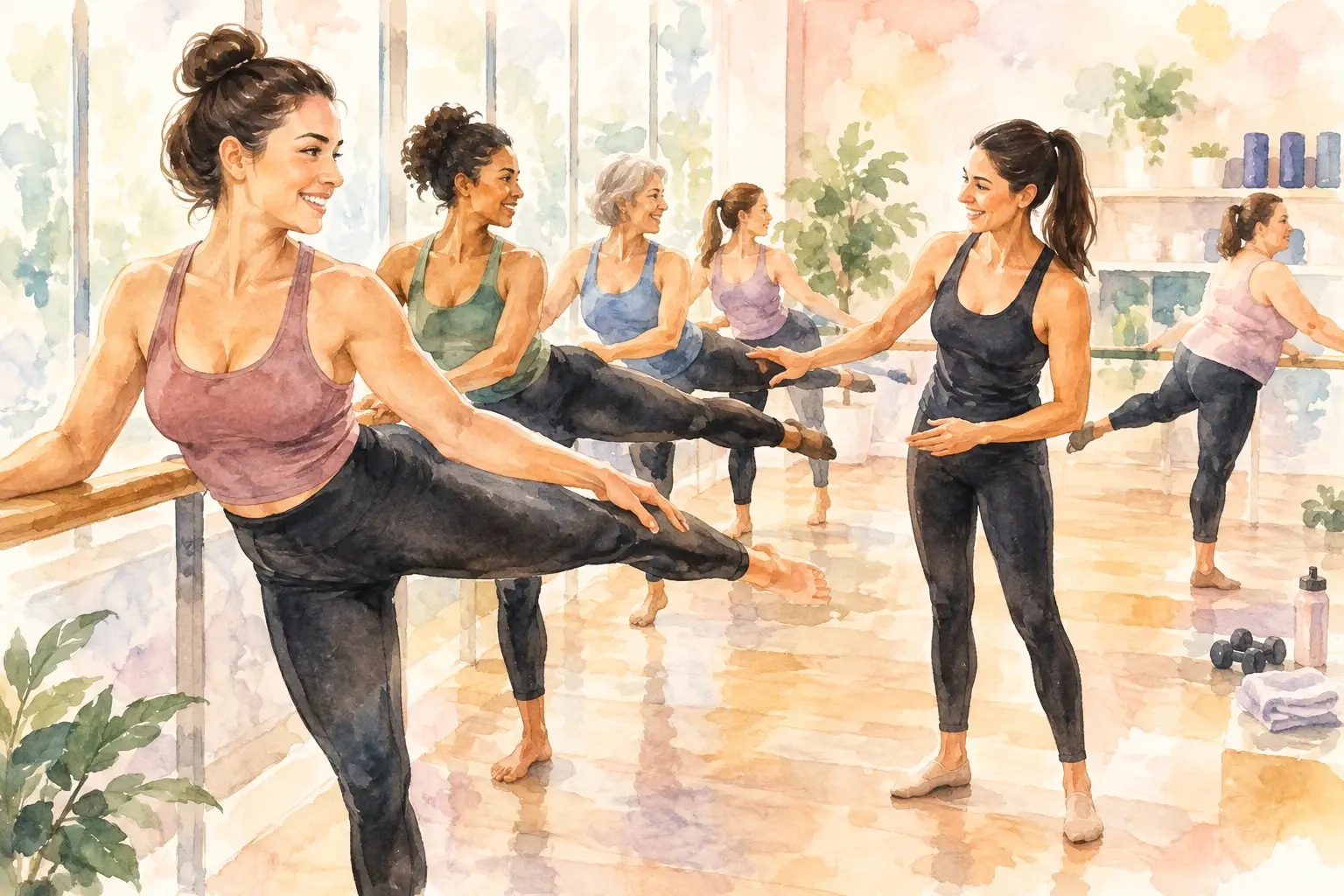
Learn how to choose barre classes that match your goals, support your joints, and help you feel stronger, steadier, and welcomed from day one each week.