
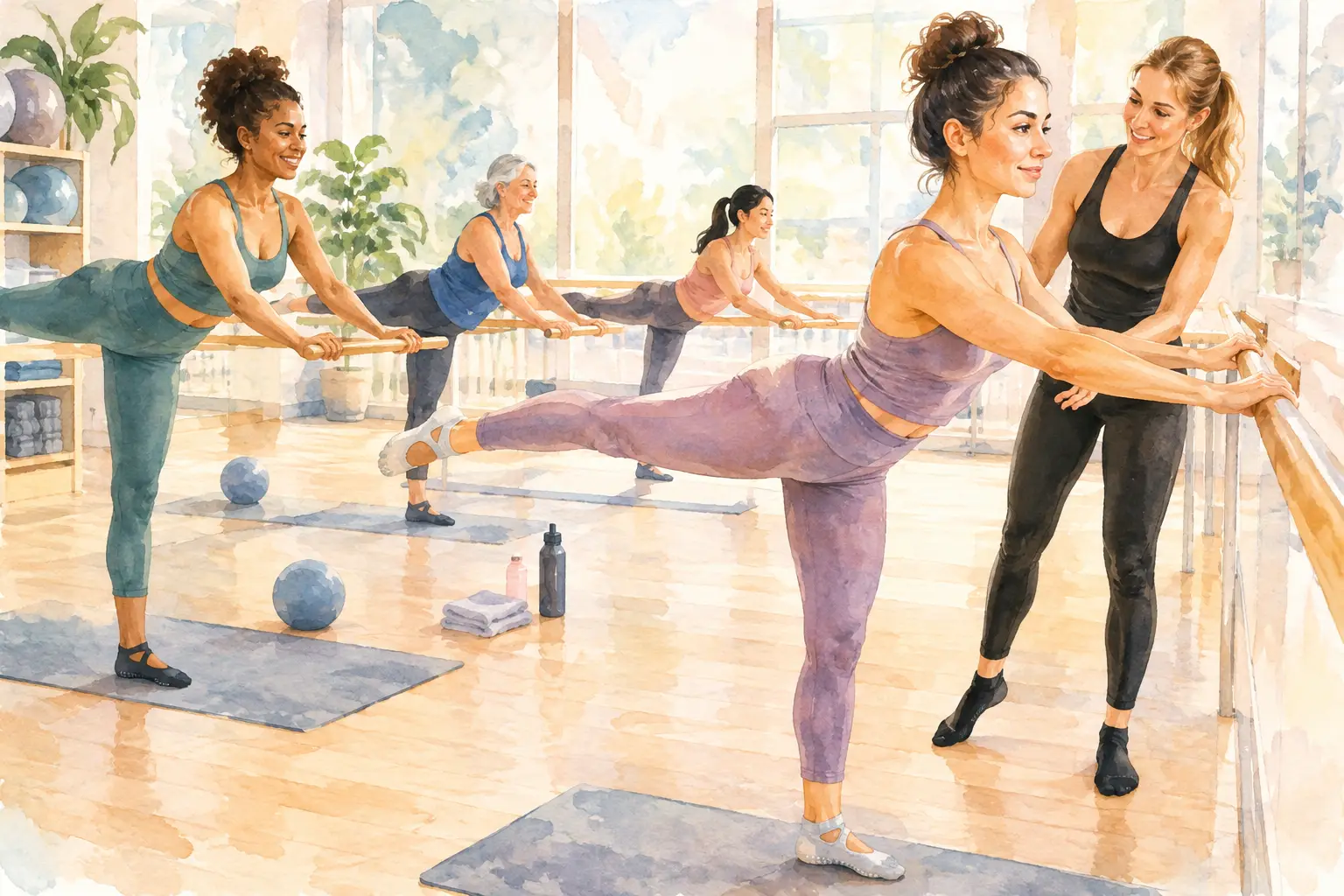
Are Barre Socks Necessary for Every Class?
Are barre socks necessary? Learn when grip socks help with stability and hygiene, when they are required, and how to choose a comfortable pair for class.
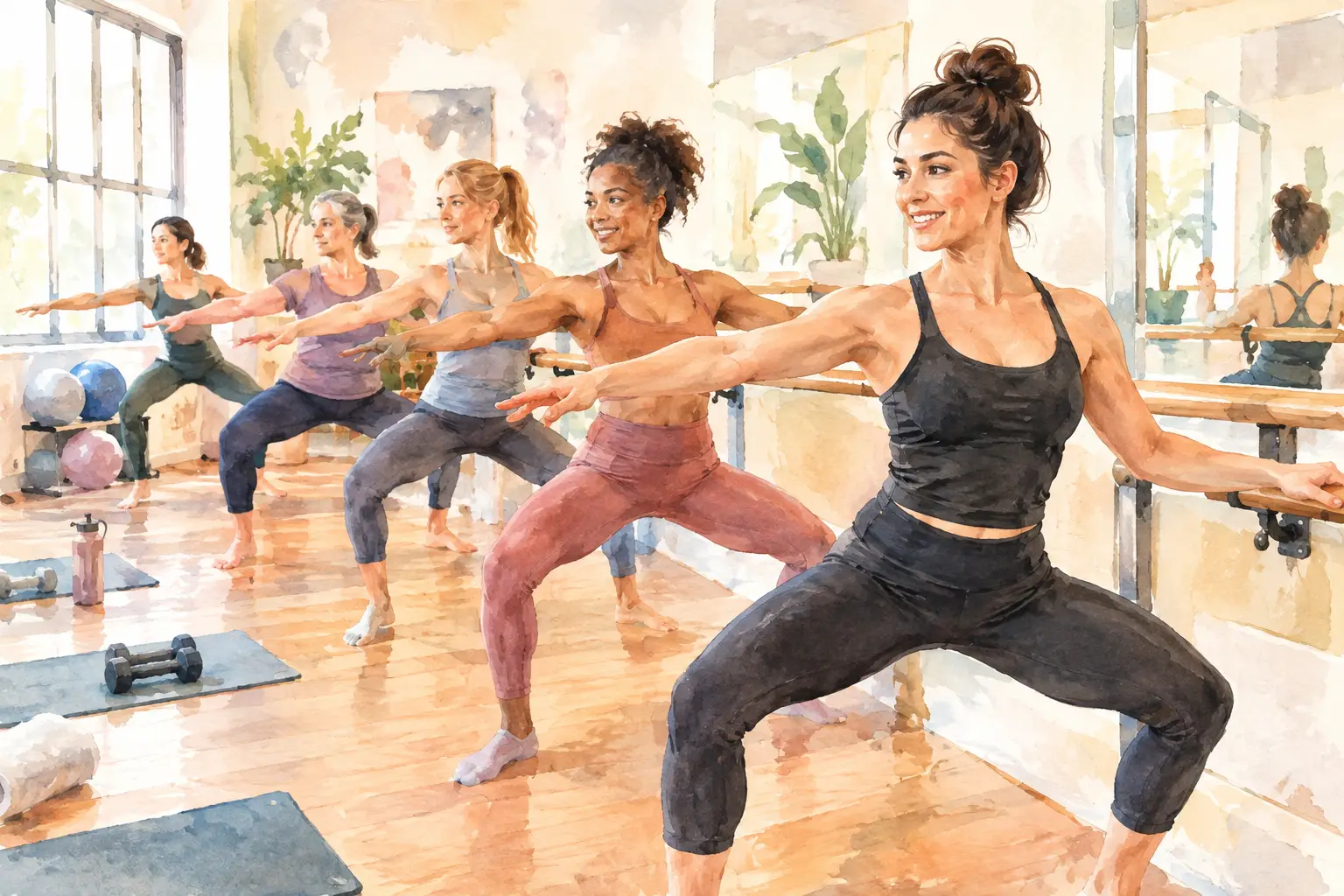
A barre class can look deceptively calm from the outside: a ballet barre, light equipment, focused movements, and plenty of tiny pulses. Then your legs begin to shake during a hold, your core has to work to keep you steady, and you understand why people keep coming back. So, is barre effective? Yes, especially when your goal is to build everyday strength, improve posture and mobility, and create a fitness routine you can genuinely sustain.
Barre is not about chasing exhaustion or forcing your body through high-impact movement. It is a focused, full-body workout that asks muscles to work with control. That combination can make a meaningful difference in how strong, steady, and confident you feel both in class and throughout your day.
Barre builds strength through bodyweight exercises, isometric holds, small controlled movements, and high repetitions. An isometric hold means your muscle is working without changing length, such as holding a squat position or pausing in a plank. Those moments may be small, but they ask your muscles to stay engaged instead of relying on momentum.
A well-rounded barre class usually works the legs, glutes, core, arms, and back. You may use light hand weights, resistance bands, a ball, or the barre itself for support and challenge. The intention is not to lift the heaviest weight possible. It is to build muscular endurance, improve control, and help you find the muscles that often get overlooked in everyday movement.
This matters when you are carrying groceries, climbing stairs, getting up from the floor, sitting at a desk, or standing for long periods. Barre strengthens the supporting muscles that help you move with more ease and stability. The results often feel practical before they look obvious: better balance, a stronger core connection, and more awareness of how you hold yourself.
In barre, a small range of motion is not an easier version of exercise. When you pulse, hold, or move slowly through a controlled position, the target muscles have fewer chances to rest. Your instructor may cue you to soften your shoulders, lengthen through your spine, or shift your weight slightly. Those details turn a familiar movement into a more intentional one.
Form is a big part of what makes barre work. A deep bend or a bigger movement is not automatically better. Finding a position that lets you feel your muscles working while maintaining alignment is what creates a productive, joint-friendly challenge.
Many people first try barre because they want to feel more toned. They stay because they notice how their body feels outside the studio. Barre places regular attention on core engagement, hip stability, spinal alignment, and upper-body positioning. Over time, that practice can help you become more aware of habits like rounding your shoulders or standing with all your weight shifted into one hip.
Barre also includes stretching and mobility work, often between strength sequences or near the end of class. This balance is valuable. Strength gives you support, while mobility helps you move through a comfortable range of motion. Neither needs to be extreme to be useful.
Balance is another important part of the experience. Single-leg work, standing core exercises, and transitions challenge your stability in a supported setting. You can use the barre when you need it, then gradually rely on it less as your confidence grows. That makes barre approachable for beginners and still engaging for people who have been active for years.
Barre is not always a traditional cardio workout, but it can certainly raise your heart rate. Flowing through standing sequences, repeating lower-body work, and moving with purpose between exercises can build cardiovascular endurance over time. How much of a cardio effect you feel depends on the class format, the pace, and how you choose to work within each exercise.
For some people, barre is the ideal primary workout because it combines strength, mobility, and a steady energy boost in one class. For others, it works beautifully alongside indoor cycling, yoga, walking, or Pilates-inspired training. There is no single perfect mix. The most effective routine is one that supports your goals and fits your real life.
If you want more cardiovascular challenge, pairing barre with cycling can be a smart, balanced option. If stress relief and flexibility are priorities, adding yoga may feel especially supportive. Barre gives you a strong foundation because it trains the body with intention without asking you to pound through high-impact intervals.
Consistency matters more than going all out once in a while. Taking barre two to four times a week is a realistic rhythm for many people, but your best schedule depends on your starting point, other movement you enjoy, and the time you can protect for yourself.
If you are brand new to structured exercise or returning after time away, begin with one or two classes per week. Give yourself time to learn the movements, understand the cues, and notice how your body responds. Building a routine gradually is not taking the easy way out. It is how you create a habit with staying power.
As you become more comfortable, you may choose to add another class, try a different format, or combine barre with a complementary workout. You do not need perfect attendance for barre to be effective. You need enough repetition to build familiarity, strength, and trust in your own ability.
Progress is not limited to a number on a scale or the way clothing fits. You may notice that you can hold a plank longer, settle deeper into a controlled squat, or complete a sequence with fewer breaks. You may feel steadier on one leg, less stiff after sitting, or more connected to your core during other activities.
You might also notice the mental side of consistency. Showing up for a class, hearing your instructor call out clear options, and moving alongside familiar faces can make exercise feel less like another task on your list. That sense of routine and community is a real benefit, especially on weeks when motivation is low.
Barre is designed to be adaptable. It can be a welcoming place for beginners who want guidance rather than guesswork, active adults looking for a lower-impact strength challenge, and people who want to return to movement at a thoughtful pace. During pregnancy or while navigating physical limitations, it is especially important to share your needs with your instructor and follow guidance from your own qualified care team.
The workout is also valuable for experienced exercisers who want to improve control, stability, mobility, and muscle endurance. Barre does not have to replace every activity you enjoy. It can fill the gaps that more repetitive routines sometimes miss.
At Sea Barre Fitness, instructors offer options and form-focused coaching so you can make the class your own. Using the barre for support, lowering the range of motion, taking a pause, or choosing a more challenging variation are all valid ways to participate. The goal is not to keep up with someone else. The goal is to leave knowing you gave your body useful, focused work.
Barre works best when you approach it with patience. The first few classes can feel unfamiliar because the movements are precise and the cues are detailed. Let that be part of the process. Listen for where to place your feet, how to engage your core, and when to relax areas that do not need to be working.
Wear clothing that lets you move comfortably, hydrate before and after class, and arrive a few minutes early if you are new. Most importantly, let your instructor know you are starting out or returning to exercise. A little extra setup and encouragement can help you feel at home quickly.
You do not have to be flexible, coordinated, or already strong to begin. Barre is effective because it meets you where you are, then gives you a clear path to build from there. Start with one class, stay curious about the small wins, and give consistency the chance to surprise you.
Are barre socks necessary? Learn when grip socks help with stability and hygiene, when they are required, and how to choose a comfortable pair for class.
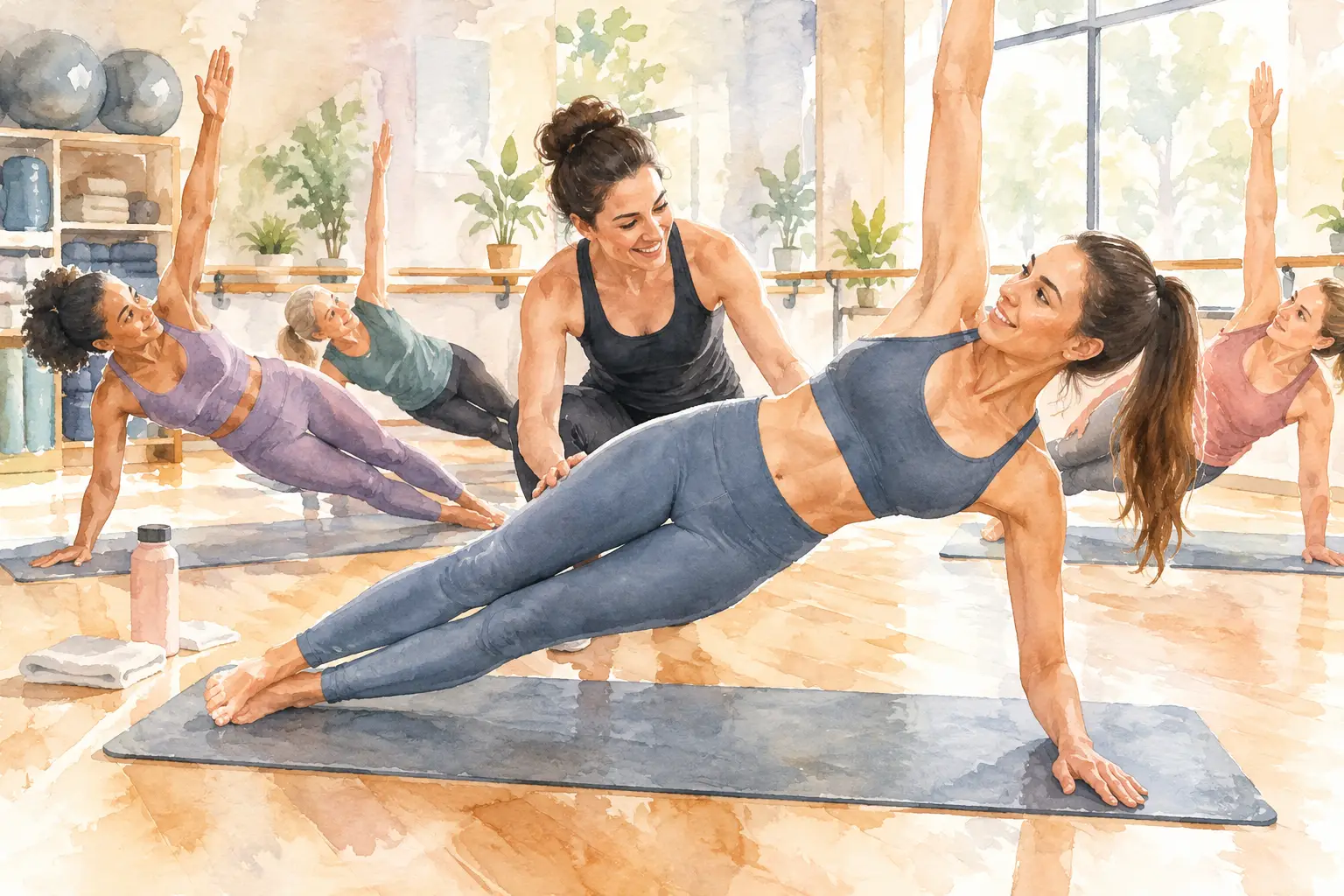
Find the best core stability moves for stronger posture, better balance, and confident low-impact movement, with form tips for every fitness level at home.