
Are Barre Socks Necessary for Every Class?
Are barre socks necessary? Learn when grip socks help with stability and hygiene, when they are required, and how to choose a comfortable pair for class.
The small, precise movements in a barre class can surprise you. You may not be jumping or lifting heavy weights, yet your legs can shake, your core can switch on, and your posture can feel taller before class is over. This barre class guide is here to make that first visit feel less mysterious and much more welcoming.
Barre is designed to meet you where you are. Whether you are returning to movement, looking for a joint-friendly strength routine, or ready to add more consistency to your week, you do not need a dance background or a certain fitness level to begin. You simply need a willingness to try, listen to your body, and let an instructor guide you.
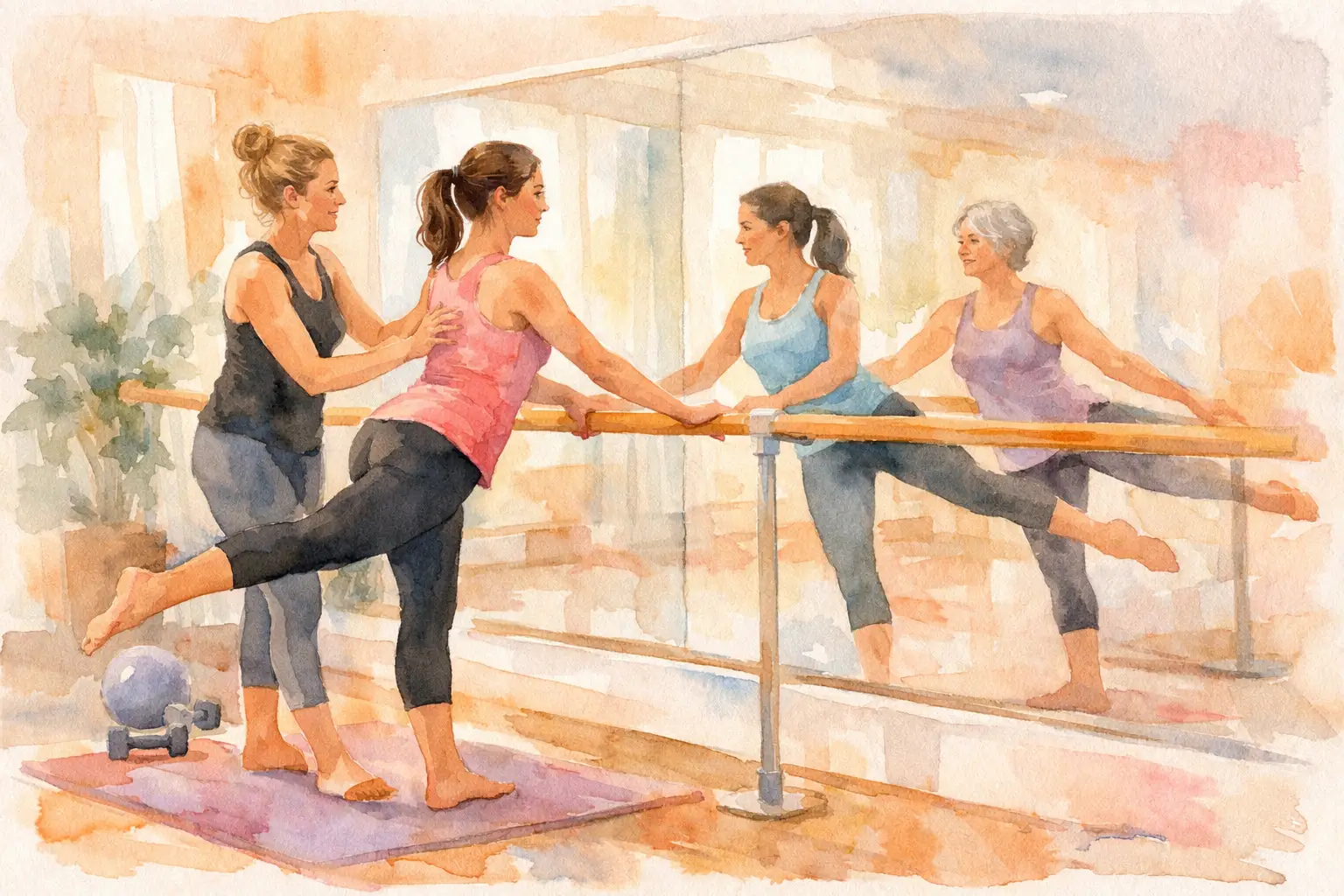
Barre is a low-impact, full-body workout inspired by elements of ballet, Pilates, yoga, and functional strength training. A ballet barre may be used for support and balance, but the class is not a ballet lesson. You will work through controlled exercises that strengthen major muscle groups while also challenging stability, mobility, and posture.
A typical class uses body weight, light hand weights, resistance bands, a small ball, or gliders. The movements are often small on purpose. Instead of swinging through an exercise quickly, you may hold a position, pulse slowly, or move through a carefully controlled range of motion. That focused effort helps you notice the muscles you are using and build endurance without the pounding associated with high-impact workouts.
The result is a workout that can feel both energizing and grounding. You may leave with tired muscles, but also with the satisfying feeling that you stood a little taller and made time for yourself.
Most barre classes begin with a warm-up that prepares your body to move. Expect intentional breathing, gentle mobility work, and simple movements that help you settle into the room. This is also a good time to let your instructor know if you are new, returning after time away, pregnant, or working around any movement considerations. A coach can offer options from the very beginning.
From there, class often moves through several areas of the body. You might start with standing strength work for the legs and glutes, then use the barre for balance while working through thigh and seat exercises. Core work may happen standing, seated, or on a mat. Many classes include upper-body exercises and finish with stretching so you can leave feeling lengthened rather than rushed out the door.
The exact flow changes from class to class, which keeps your routine interesting. What stays consistent is the attention to alignment. Your instructor may cue you to soften your shoulders, engage your abdominals, bend your knees slightly, or make your movement smaller. Those details are not corrections to worry about. They are coaching tools that help you get more from each exercise.
Barre is challenging because it asks your muscles to stay present. It is normal to feel a gentle shake during a hold or to need a quick reset. Shaking is simply feedback that a muscle is working hard in a new way. Take a breath, adjust your position, and rejoin when you are ready.
There is no prize for forcing a range of motion that does not feel right. Strong barre practice is built on good form, not on pushing through discomfort. Your instructor can show you how to lower the intensity by reducing the depth of a bend, using the barre for more support, skipping a prop, or taking a brief pause.
Choose clothes that let you move comfortably and see your alignment. Leggings, bike shorts, a fitted tank, or a breathable tee all work well. You do not need a special outfit. The goal is to feel secure as you stretch, squat, balance, and move on the mat.
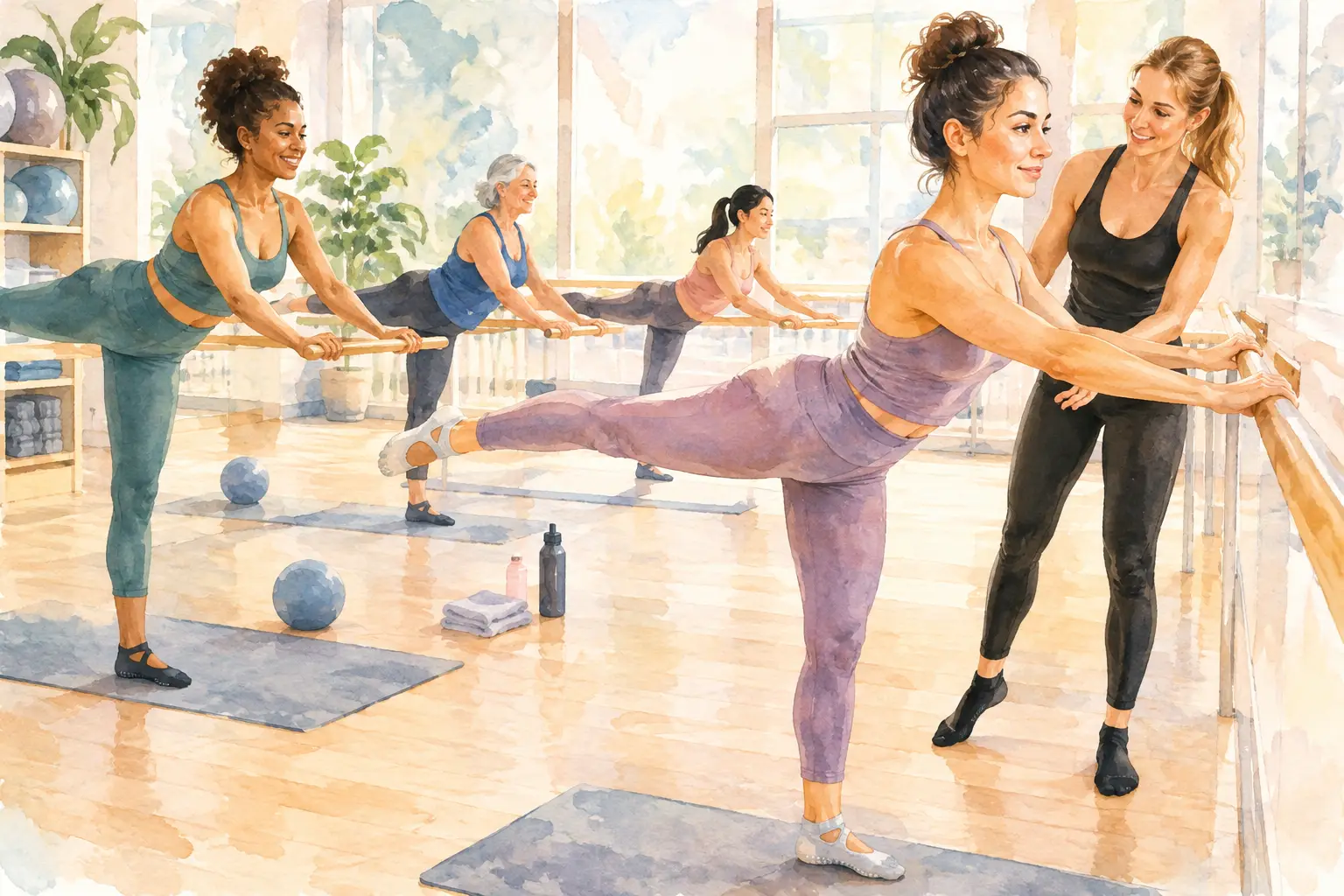
Grip socks are commonly worn in barre studios because they help create traction on the floor and offer a little extra stability. If your studio requires them, it is worth having a pair ready for class. Bring water, and arrive a few minutes early for your first visit so you can get acquainted with the space and meet your instructor without feeling rushed.
Props are usually provided and set up for you or easy to find in the studio. If you are unsure how to use something, ask. A supportive studio is meant to be a place where questions are welcome.
The benefits of barre show up in more than one way. The repeated, controlled movements build muscular endurance, especially through the legs, glutes, arms, and core. Because the class also asks you to stabilize and maintain alignment, it can help you become more aware of how you carry yourself through everyday life.
That can mean feeling steadier while climbing stairs, more supported when standing for long stretches, or more connected to your core while carrying groceries. Regular practice can also support flexibility and mobility, particularly when class includes thoughtful stretching and movements that encourage a comfortable range of motion.
Posture is another reason many people enjoy barre. Hours at a desk, in the car, or looking down at a phone can leave the chest feeling tight and the shoulders rounded forward. Barre classes often include upper-back, shoulder, and core work that encourages a more open, supported position. It is not about holding yourself rigidly. It is about developing the strength and awareness to move with more ease.
Give yourself permission to be a beginner. Even people with an established fitness routine can find barre different at first because the movements are so intentional. Learning the vocabulary and rhythm of class takes a little time, and that is part of the experience.
Focus on three simple habits: breathe steadily, choose form over depth, and pay attention to your own body instead of comparing your movement to anyone else’s. If your instructor offers a modification, it is not a lesser version of the exercise. It is a smart way to make the workout fit your body that day.
Consistency matters more than having a perfect first class. One class introduces you to the format. A regular routine is where you begin to recognize familiar movements, feel more confident setting up your position, and notice your endurance growing. Some people enjoy barre two or three times a week, while others pair it with yoga, indoor cycling, walking, or Pilates-inspired classes. The best schedule is the one that feels realistic enough to maintain.
Low-impact movement can be an appealing option during changing seasons of life, but individual needs vary. If you are pregnant, returning after an injury or illness, or have been away from exercise for a while, follow guidance from your care team and speak with your instructor before class. They can help you choose supportive options and feel comfortable participating at your own pace.
At Sea Barre Fitness, that coach-led support is part of the experience. You are not expected to know every position before you walk in. You are invited to learn, build strength gradually, and be part of a local community that notices when you show up.
Progress does not have to mean chasing an extreme outcome. It may look like holding a plank with more confidence, balancing with a lighter touch on the barre, moving more comfortably through a lunge, or realizing you recovered faster after a challenging sequence. It can also be the quieter win of keeping a promise to yourself and making movement a dependable part of your week.
Your body will not feel identical every day. Sleep, stress, schedule changes, and energy levels can all affect how class feels. Let your practice flex with real life. On high-energy days, you may choose a deeper range or an added challenge. On other days, you may stay closer to the barre and prioritize steady, supported movement. Both approaches count.
The best first step is simply choosing a class, arriving as you are, and allowing the small movements to add up. With patient coaching and a routine that feels good to return to, barre can become a place where strength, confidence, and connection grow together.
Are barre socks necessary? Learn when grip socks help with stability and hygiene, when they are required, and how to choose a comfortable pair for class.
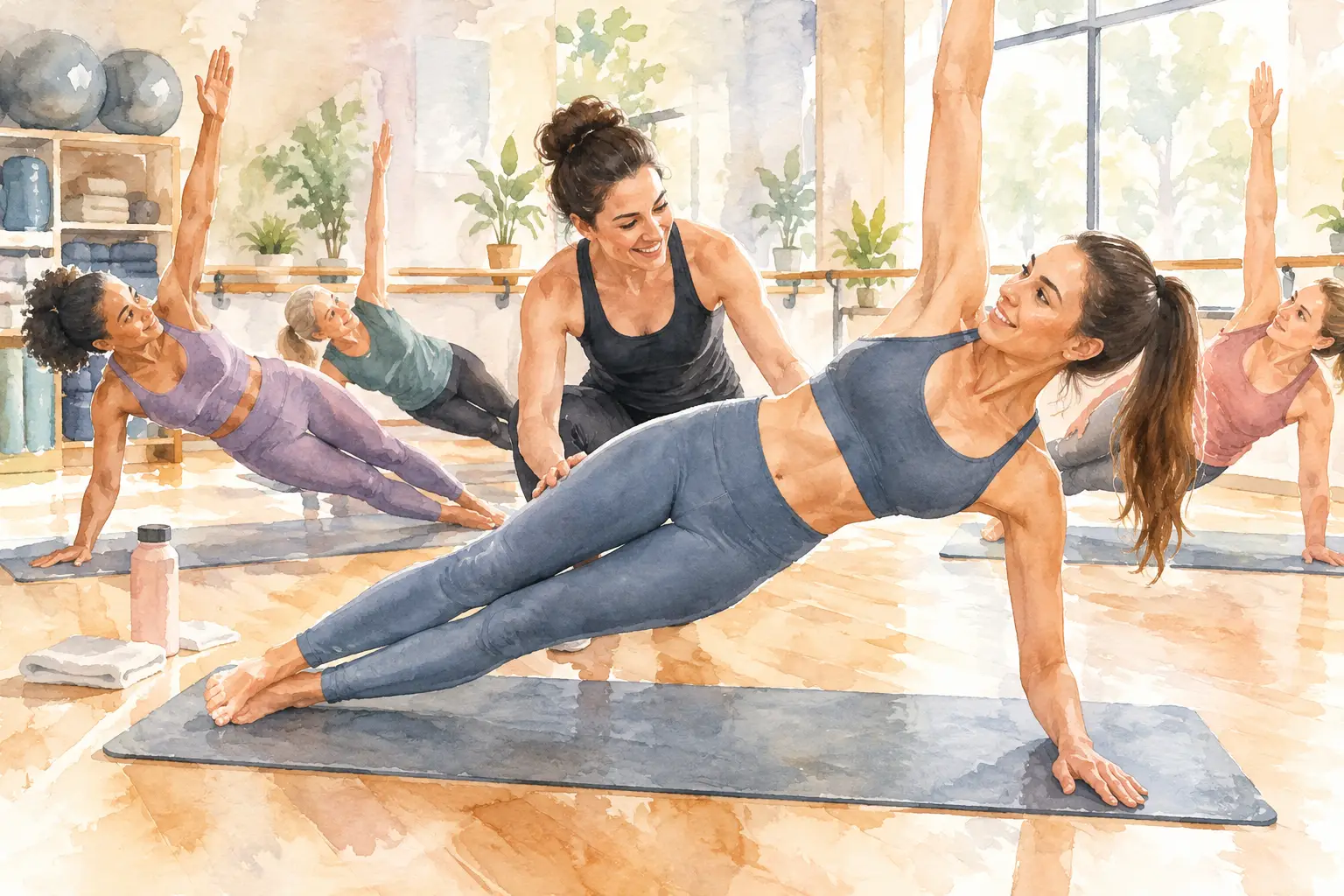
Find the best core stability moves for stronger posture, better balance, and confident low-impact movement, with form tips for every fitness level at home.