
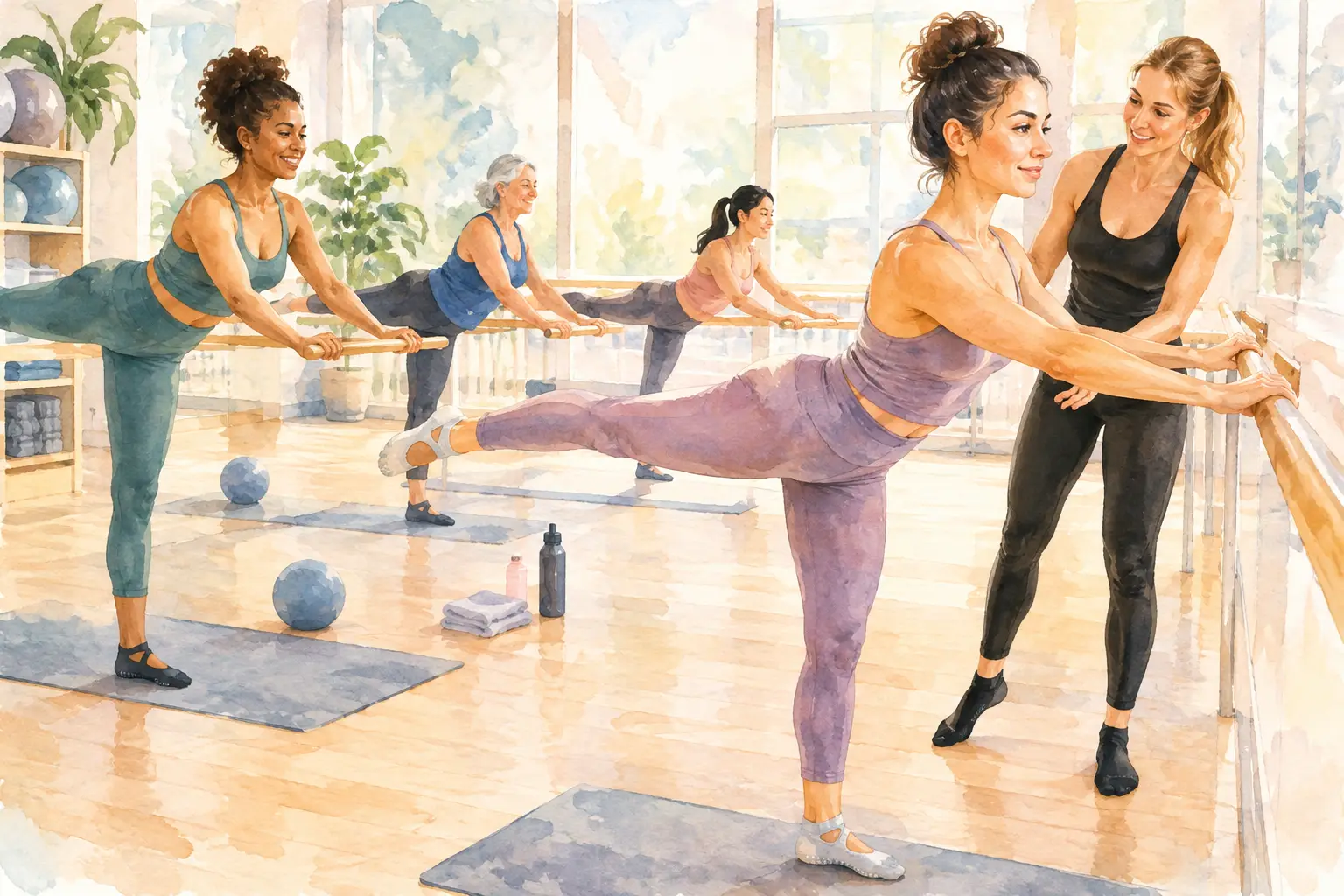
Are Barre Socks Necessary for Every Class?
Are barre socks necessary? Learn when grip socks help with stability and hygiene, when they are required, and how to choose a comfortable pair for class.
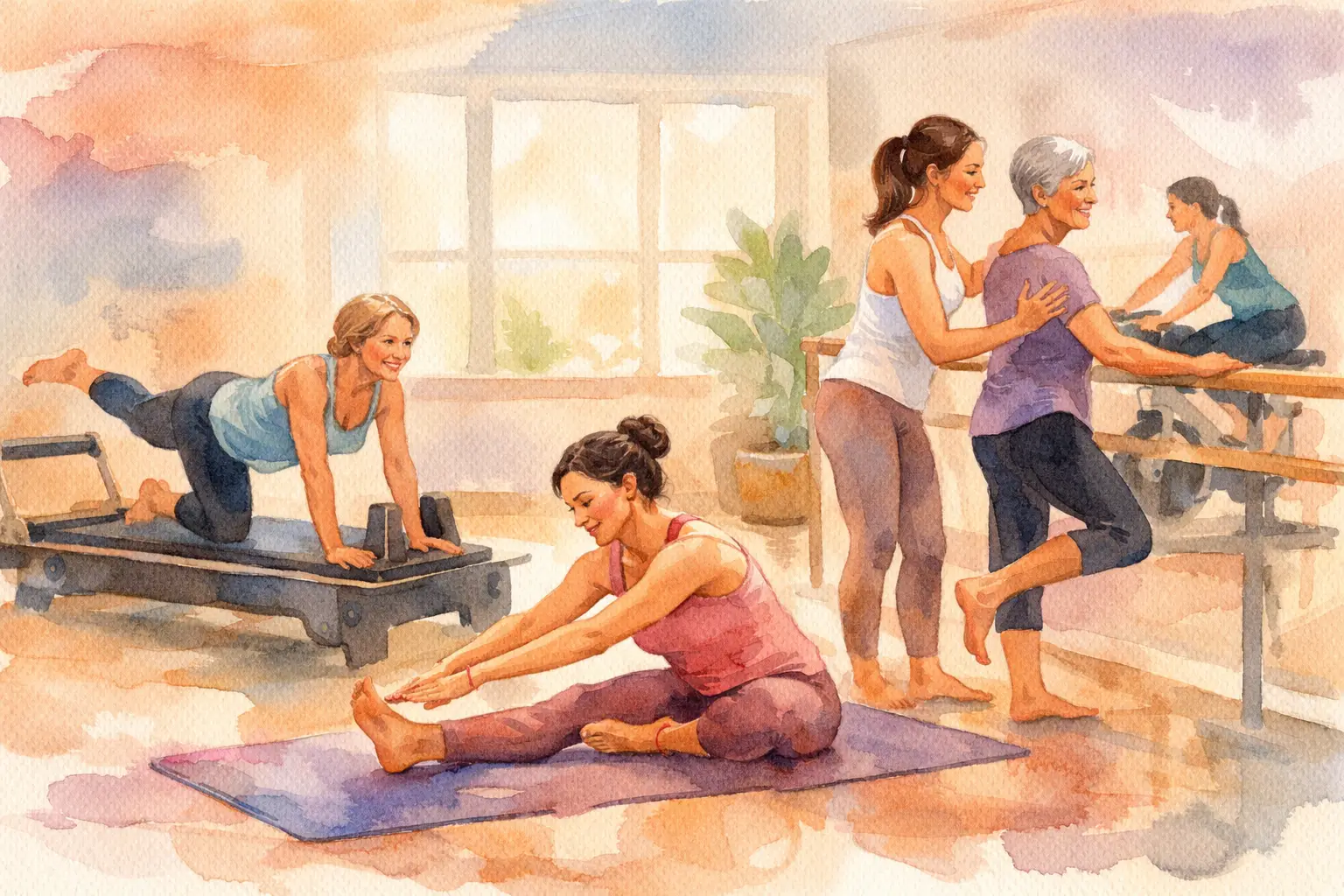
A squat can look simple from across the room. But when your knees feel uneasy, your low back takes over, or you cannot quite find your balance, that same squat feels very different in your body. That is why form focused exercise classes are about much more than looking polished. They help you understand how to move with purpose, so every class supports the strength, stability, and confidence you came for.
At Sea Barre Fitness, movement is never about keeping up with the person beside you. It is about learning where your body is today, receiving clear guidance, and building from there. Whether you are brand-new to fitness, returning after time away, or ready to add more intention to your current routine, good form gives your effort somewhere meaningful to go.
A form-focused class puts quality of movement before speed, intensity, or how many repetitions you can finish. Your instructor is watching the room, offering reminders, demonstrating options, and helping you make small adjustments that can completely change how an exercise feels.
That might mean bringing your feet a little wider in a barre squat, softening your ribs during core work, relaxing your shoulders in a plank, or choosing a smaller range of motion in a yoga pose. These are not signs that you are doing less. They are often the details that help the right muscles do their job.
In a supportive studio setting, form instruction is also personal. One client may be ready to add a challenge, while another benefits from a steady foundation. Both can have a productive class. The goal is not for every body to move exactly the same way. The goal is to find strong, controlled movement that works for your body.
When a class is built around alignment and control, you are more likely to feel the intended muscles working. In barre and Pilates-inspired training, that can mean finding your deep core, glutes, and postural muscles instead of relying on momentum. In yoga, it can mean creating steadiness before trying to stretch further. On the bike, it can mean setting up your seat and handlebars so you can build stamina with a supported position.
These details add up. Better awareness can improve posture, balance, mobility, and the way everyday movements feel. Reaching for groceries, carrying a bag, getting up from the floor, or taking a long walk all ask your body to coordinate strength and stability. Studio workouts are a place to practice those skills with an instructor nearby.
Form focus also makes low-impact exercise feel challenging in the best way. You do not need pounding, jumping, or rushed transitions to create a strong training effect. Slow pulses, intentional holds, controlled resistance, and thoughtful sequencing can ask a lot of your muscles while being kinder to your joints.
That does not mean every movement will feel easy. A well-taught class can absolutely make you shake, breathe deeply, and feel proud of your effort. The difference is that the challenge comes from precision, not from pushing past what your body is telling you.
Many people avoid group fitness because they worry they will not know what to do. That concern makes sense, especially if it has been a while since you last exercised or you have only experienced large, impersonal gym classes.
Coach-led instruction changes the experience. Instead of guessing, you have someone explaining the movement in plain language and offering cues as you go. You learn what it means to stand tall, engage your core, press through your feet, or create length through the spine. Over time, those cues become familiar. You start to recognize your own alignment and make adjustments with more confidence.
This is especially valuable for beginners, but it is not only for beginners. Experienced clients often discover that a small adjustment makes a familiar exercise more effective. There is always another layer of awareness to build.
Every format asks for a slightly different kind of focus. That variety is one reason a balanced studio routine can feel both interesting and sustainable.
Barre uses controlled, targeted exercises to build strength, muscle tone, balance, and endurance. Because many movements are small, alignment matters. A tiny shift in your pelvis, ribcage, or standing leg can help you feel the work in a completely new way.
You may hear reminders to keep a soft bend in the knees, lengthen through the crown of the head, or stay steady through the hips. These cues are there to help you find more support, not to make class complicated. The more connected you feel to your position, the more intentionally you can work.
Yoga form is not about forcing your body into the deepest version of a pose. It is about creating a shape that allows you to breathe, build mobility, and feel grounded. Some days that may mean using a block, bending your knees, taking a wider stance, or choosing a gentler variation.
A good instructor will encourage you to notice the difference between a productive stretch and a position that does not feel right. Progress in yoga is often quieter than people expect. It can look like steadier balance, easier breathing, more comfortable movement, or greater trust in your body.
Indoor cycling is a powerful way to build cardiovascular stamina without high-impact pounding. But the ride begins before the music starts. Proper bike setup helps you pedal with more comfort and control, while clear coaching helps you manage resistance, posture, and pacing.
Rather than gripping the handlebars or rushing every interval, form-focused cycling encourages you to stay connected to your breath and your body. You can work hard while keeping your shoulders relaxed, your core supported, and your effort appropriate for your own fitness level.
Pilates-inspired classes often look calm from the outside, but anyone who has held a slow leg series or deliberate core exercise knows how much strength control requires. The focus is on alignment, breath, and intentional muscle engagement.
If an exercise feels like it is landing in your neck or low back instead of your core, that is useful information. An instructor can offer a modification, adjust the range of motion, or help you find a better setup. Choosing that option is not backing down. It is smart training.
Your first class does not require a fitness background or perfect coordination. Come ready to listen, move at your own pace, and ask questions if you need them. Let your instructor know if you are new, returning to exercise, pregnant, or working around any physical limitations. That conversation helps them offer options that feel more supportive from the start.
You may notice that instructors repeat simple cues. That repetition is helpful. Movement patterns become more familiar through practice, and a reminder that lands differently one week may make perfect sense the next.
Give yourself permission to take breaks, reduce resistance, hold onto the barre, or choose a less complex version of a movement. The best version of class is not the one where you do the most. It is the one where you leave feeling stronger, more capable, and ready to come back.
Form can feel like a lot to think about at first: where to place your feet, how to engage your core, when to breathe, how far to bend. With consistent practice, those choices become more natural. You begin to move with less tension and more awareness.
Some days, your balance will feel steady and your strength will surprise you. Other days, a familiar exercise may feel challenging. Both experiences belong in a lasting fitness routine. Sleep, stress, energy, and life all affect how movement feels.
The value of form-focused training is that it gives you a reliable place to meet your body where it is. You can build strength without needing to prove anything, improve mobility without forcing it, and enjoy the motivating energy of a group while receiving real guidance.
The next time an instructor asks you to slow down, reset your stance, or choose an option, take it as an invitation. That small moment of attention may be exactly where your stronger, steadier movement begins.
Are barre socks necessary? Learn when grip socks help with stability and hygiene, when they are required, and how to choose a comfortable pair for class.
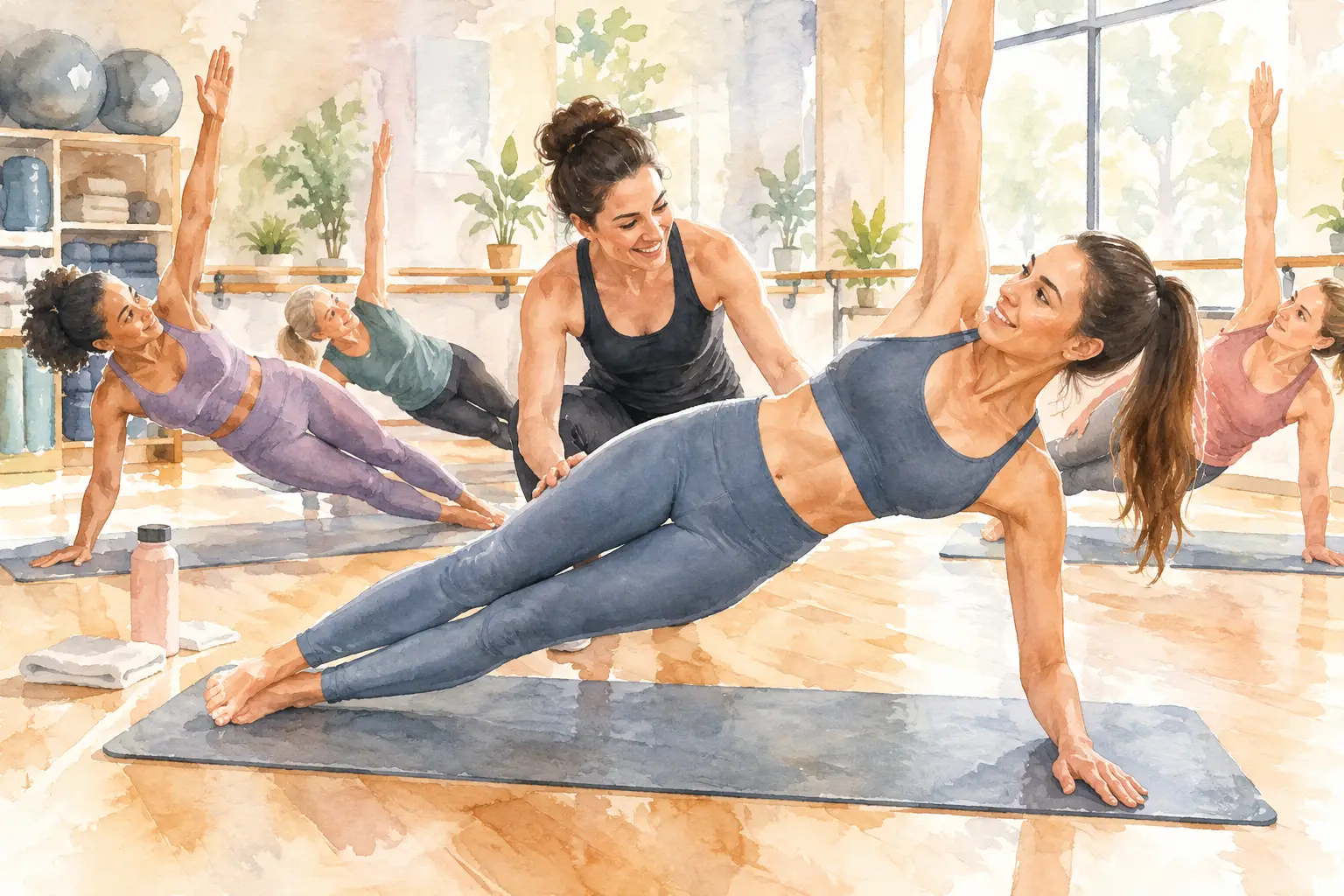
Find the best core stability moves for stronger posture, better balance, and confident low-impact movement, with form tips for every fitness level at home.