
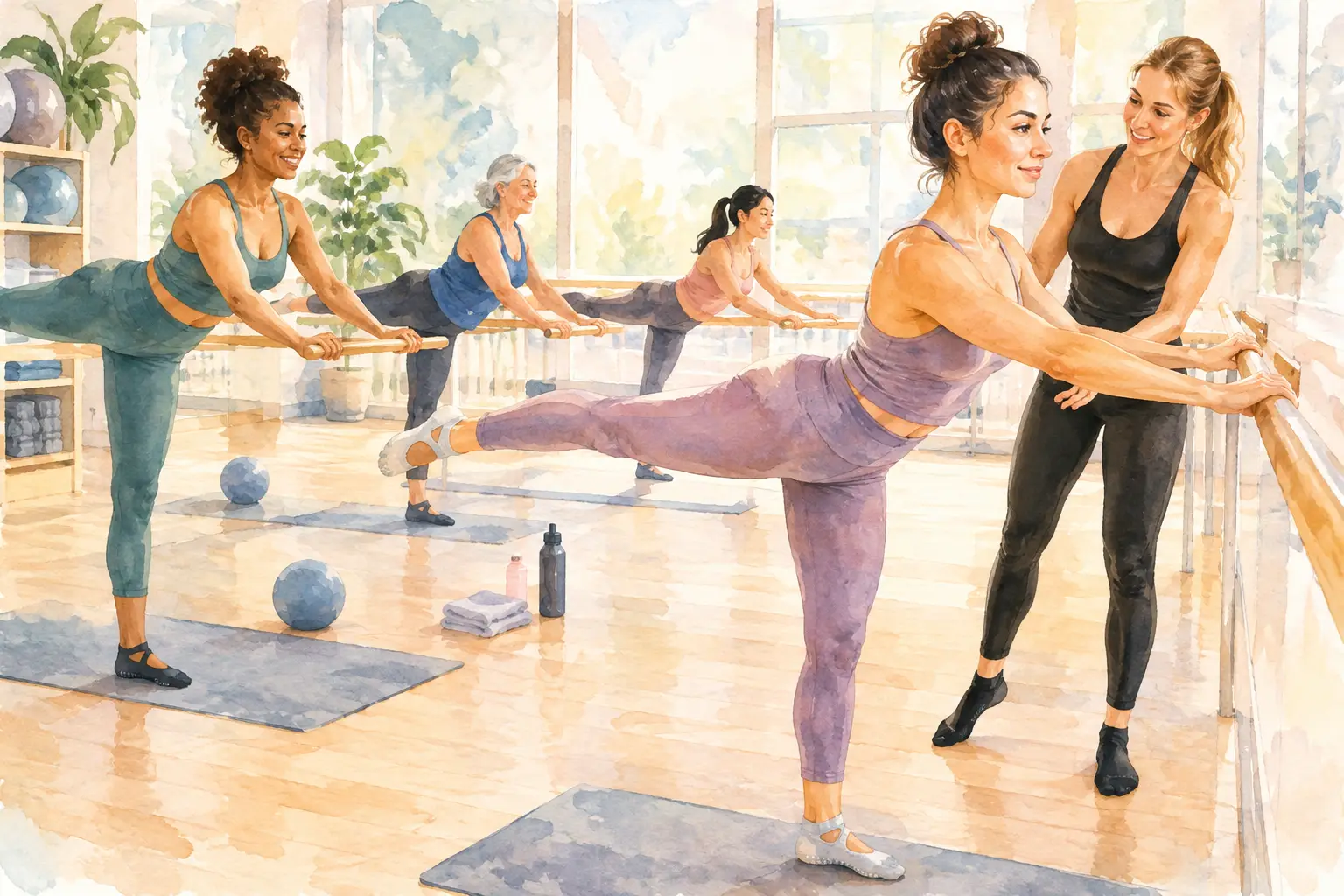
Are Barre Socks Necessary for Every Class?
Are barre socks necessary? Learn when grip socks help with stability and hygiene, when they are required, and how to choose a comfortable pair for class.
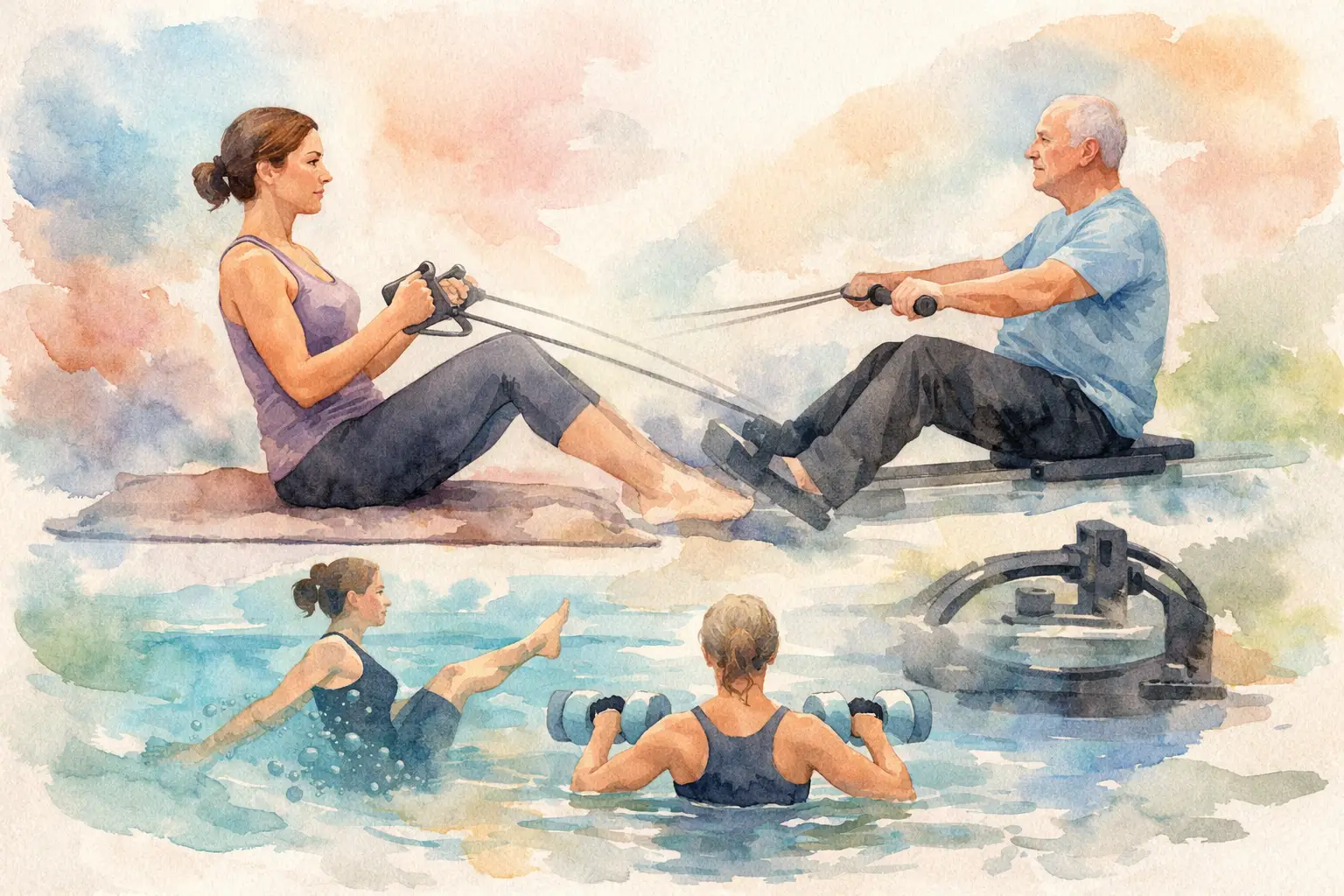
The goal is not to leave a workout feeling like you have been pounded into the floor. The goal is to feel your muscles working, stand a little taller, move with more control, and come back ready to train again. That is what strength training without joint impact can offer: meaningful challenge without relying on jumping, hard landings, or heavy strain on knees, hips, ankles, and wrists.
For many adults, high-impact exercise is not appealing, practical, or necessary. Maybe running leaves your knees irritated. Maybe you are returning to movement after a long break, navigating pregnancy, managing an old injury, or simply looking for a fitness routine you can maintain for years. Low-impact strength work meets you there while still asking your body to get stronger.
Low impact does not mean low effort. It means at least one foot stays connected to the floor, bike pedal, or stable equipment instead of repeatedly absorbing the force of jumping or running. The work can still elevate your heart rate, fatigue your muscles, challenge your balance, and build real endurance.
Strength comes from resistance. That resistance may be your body weight, a band, light dumbbells, a Pilates ball, the tension of a barre exercise, or the steady resistance of a bike. With controlled movement and thoughtful form, even small ranges of motion can create a strong training effect.
The difference is where the challenge goes. Rather than asking your joints to absorb repeated impact, a well-designed class places the emphasis on your muscles. Your glutes, thighs, core, back, arms, and stabilizing muscles do the work of supporting your body through each exercise.
Muscle responds to time under tension, progressive challenge, and consistency. You do not need to lift the heaviest weights in the room or jump through every workout to make progress. A slow squat variation, a focused plank, a series of pulsing lunges, or controlled arm work can be incredibly demanding when coached well.
Barre and Pilates-inspired training are especially effective because they ask you to pay attention. You might hold a position, move through a small and precise range, or add a balance challenge that requires your core to switch on. The exercises can look simple from across the room, but the experience is anything but easy.
Cycling offers another path to lower-impact strength and stamina. The bike supports your body weight while you build power through your legs and challenge your cardiovascular system. Yoga can add mobility, balance, breathing, and total-body awareness, which support strength training by helping you move more comfortably and with better control.
Results look different for every person. You may notice stronger legs on stairs, better posture at your desk, greater core stability, improved balance, or more confidence trying movements that once felt intimidating. Those are meaningful wins, not side benefits.
A joint-friendly workout should never feel careless. Moving quickly with poor alignment can create strain even in a low-impact format. That is why instructor guidance matters, particularly when you are new, returning after time away, or working around a limitation.
In a coached class, you can learn how to stack your shoulders, engage your core, track your knees in line with your toes, and choose a range of motion that feels right for your body. Sometimes the best adjustment is making the movement smaller. Other times, it is slowing down, changing your stance, lowering resistance, or using support for balance.
Good form is not about looking perfect. It is about giving your body the clearest, safest path to the intended muscle work. A squat that is comfortable for one person may need a chair, a narrower range, or a different foot position for another. That is not falling behind. That is training intelligently.
Burning or fatigue in a working muscle can be a normal part of strength training. Sharp, pinching, catching, or worsening pain in a joint is a signal to pause and adjust. Do not push through pain because you think it proves you worked hard enough.
Tell your instructor what you are feeling. A knowledgeable coach can offer options that keep you involved without forcing a movement that does not serve your body. If pain persists, or if you are recovering from surgery or an injury, check with a qualified health care professional before beginning or changing an exercise program.
You do not have to choose one kind of movement forever. In fact, a mix of formats often creates the most sustainable routine. Barre can build muscular endurance and posture. Pilates-inspired classes can strengthen the deep core and improve control. Yoga can support flexibility and recovery. Indoor cycling can build stamina and leg strength without the pounding of road running.
Personal training and small-group training can be especially helpful when you have a specific goal, such as building confidence after a break, improving balance, or learning how to use weights with better form. The right starting point depends on your experience, schedule, and current comfort level.
At Sea Barre Fitness, classes are designed to make that variety feel approachable. You can build a routine that gives you challenge and support, rather than believing every workout needs to look the same.
The body adapts when it is asked to do a little more over time. Progress does not always mean adding heavier weights. It can mean holding a position for longer, completing another round with control, choosing a stronger band, increasing bike resistance, or improving your range of motion without losing alignment.
Start with a level that lets you learn. If you leave every class completely depleted or sore for days, the answer may not be more intensity. You may need more recovery, a different modification, or a more gradual build. Consistency is more valuable than one punishing workout followed by a week away.
Aim for a weekly rhythm you can honestly maintain. Two or three strength-focused sessions, paired with mobility work and adequate rest, can create visible and functional change. If your schedule is full, a focused class is often more effective than waiting for the perfect hour-long workout at home.
Your muscles need time to repair and adapt. Hydration, sleep, nourishing meals, and gentle movement all play a role in how you feel between classes. Recovery also gives you a chance to notice progress that is easy to miss in the moment: less stiffness, more energy, better balance, and everyday tasks that feel lighter.
Some days call for a powerful cycling class or a challenging barre sequence. Other days call for a slower yoga practice, mobility work, or rest. Listening to your body does not weaken your routine. It helps protect it.
This style of training is a strong fit for beginners who want structure without gym intimidation, as well as experienced exercisers who want to balance higher-intensity activities. It can also be a supportive option for active adults who are mindful of their joints, people returning after a break, and clients who want strength work that complements the rest of their lives.
Pregnancy, recovery, and medical conditions require a more individual approach. Exercise may still be appropriate, but the details matter. Clearance from your care team and open communication with your instructor help ensure your workout choices match your needs.
Most of all, low-impact training is for anyone who is tired of measuring a workout by how much it hurts afterward. You can train with purpose, challenge your muscles, and build momentum without treating your joints as collateral damage.
Your strongest routine is the one that leaves you feeling capable enough to return, supported enough to keep learning, and proud of what your body can do next.
Are barre socks necessary? Learn when grip socks help with stability and hygiene, when they are required, and how to choose a comfortable pair for class.
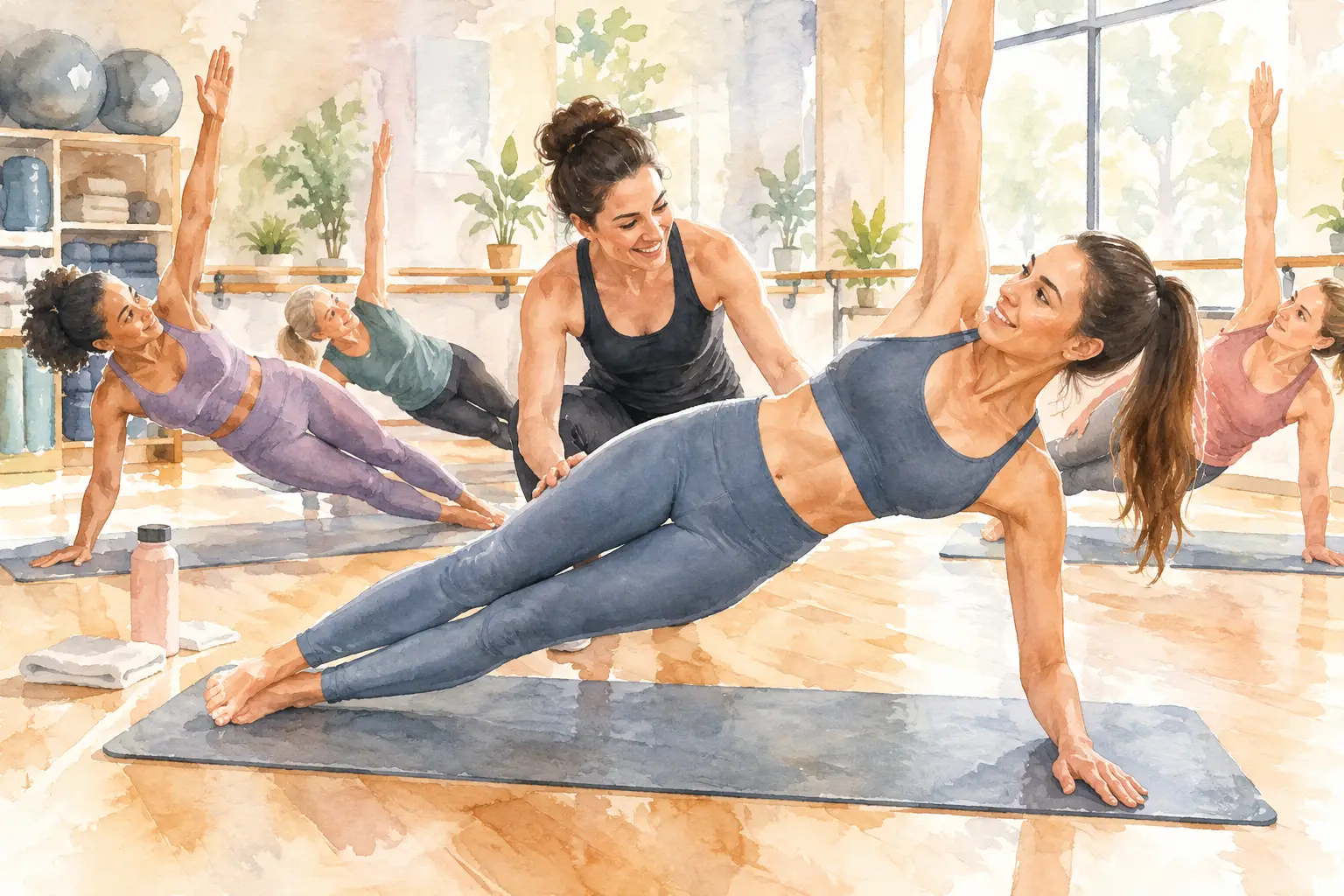
Find the best core stability moves for stronger posture, better balance, and confident low-impact movement, with form tips for every fitness level at home.