
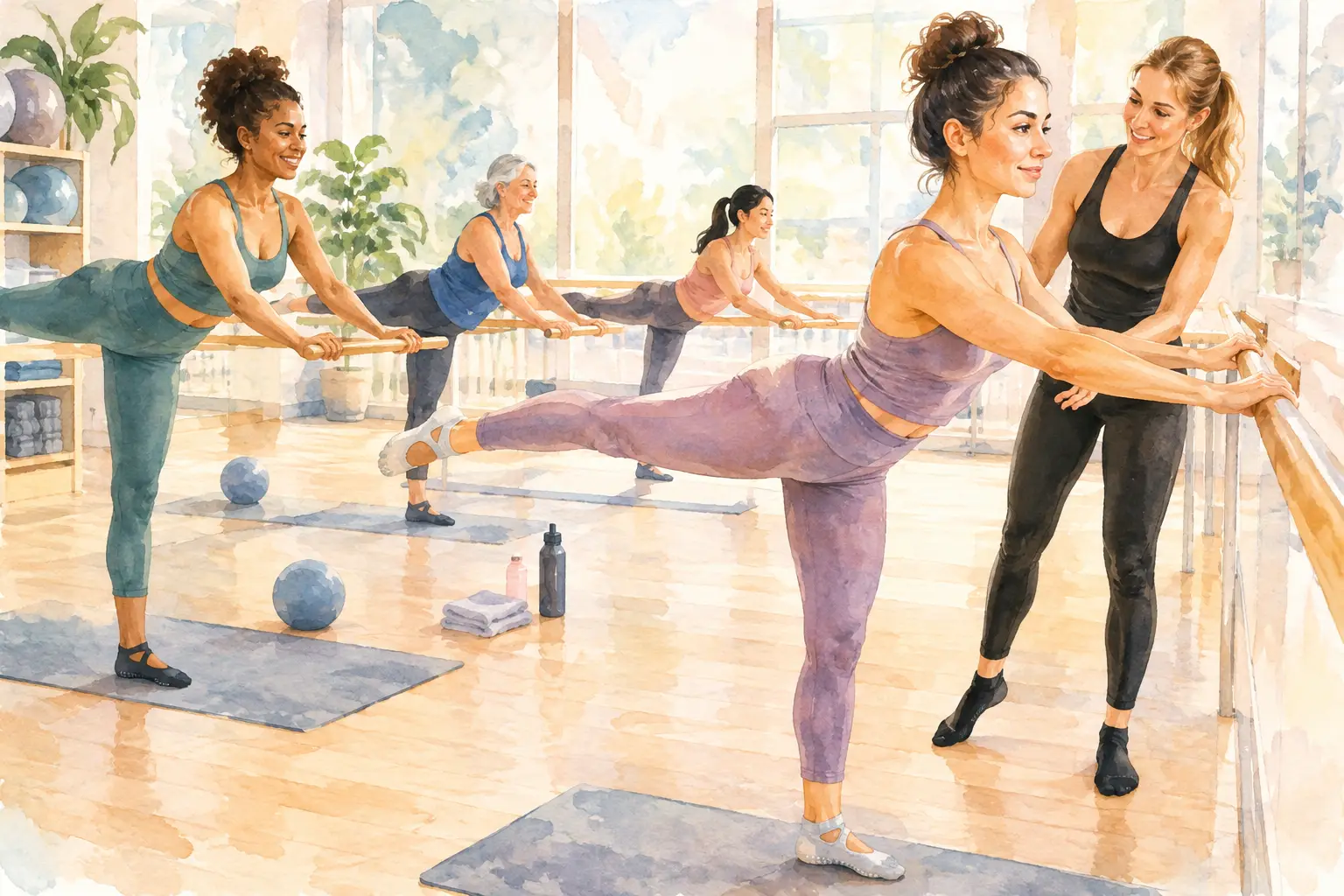
Are Barre Socks Necessary for Every Class?
Are barre socks necessary? Learn when grip socks help with stability and hygiene, when they are required, and how to choose a comfortable pair for class.
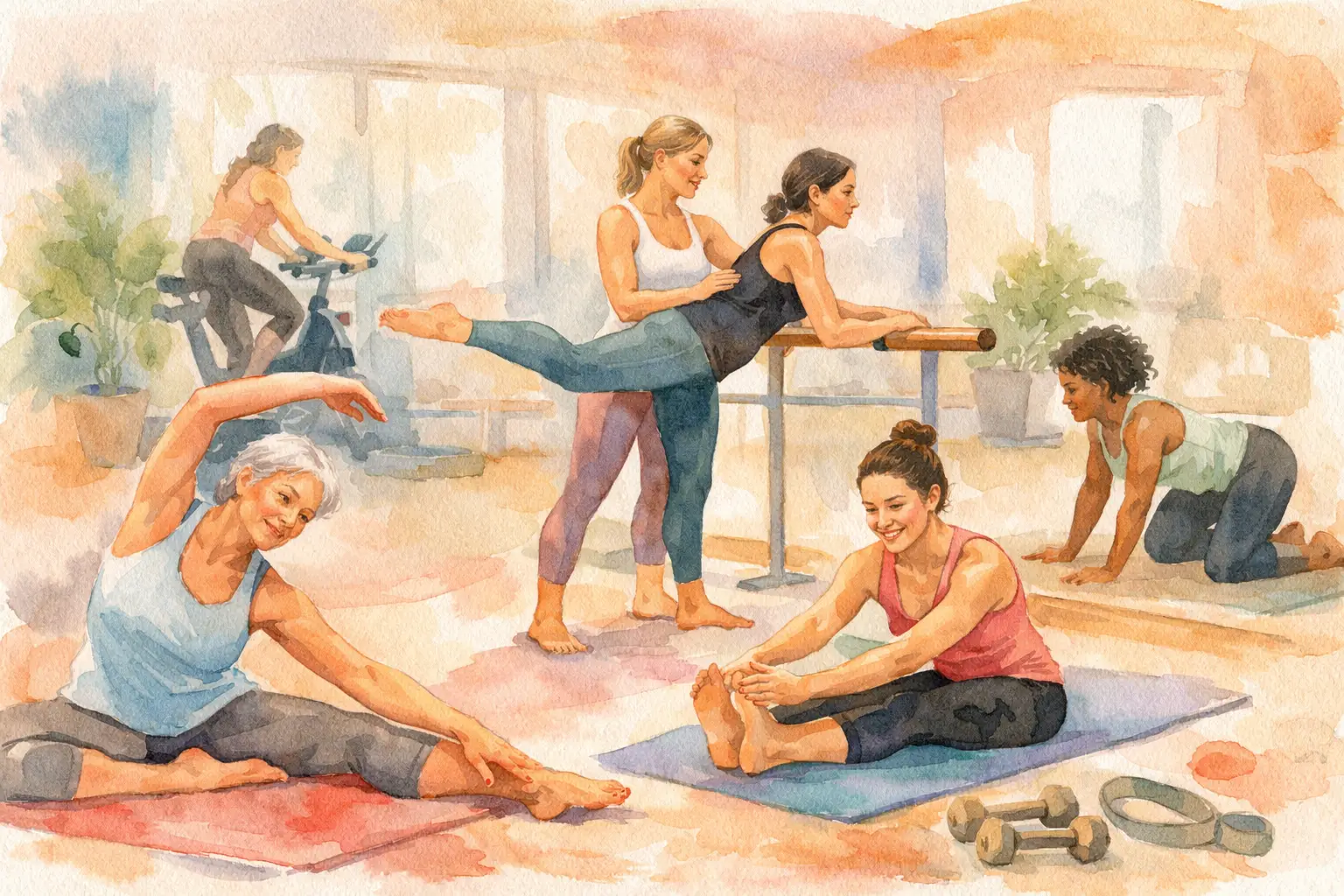
A stiff back after a long drive, tight hips after gardening, shoulders that creep toward your ears during a busy week – these are everyday reminders that your body benefits from intentional movement. Classes for mobility and flexibility give you a welcoming place to move with purpose, build strength around your joints, and feel more at home in your body without asking you to push through discomfort.
For many people, flexibility sounds like touching your toes. Mobility is a little different: it is your ability to control movement through a comfortable range of motion. You may have flexible hamstrings but still feel unsteady in a lunge, or have strong legs but struggle to rotate your upper back. A thoughtful class works on both, helping your body move with more ease while building the stability that makes that movement useful in daily life.
The most effective mobility and flexibility classes are not simply long stretching sessions. They pair lengthening movements with strength, balance, posture work, and careful attention to form. That combination matters because a deeper range of motion feels far more supportive when your muscles know how to control it.
In a coach-led studio class, you are guided through movements at a pace that lets you notice what your body is doing. You might practice opening through the chest after time at a desk, waking up the muscles around the hips, strengthening your core for better balance, or moving your spine through gentle rotation. The goal is not to force your body into a certain shape. It is to create more options for how you move.
That approach is especially valuable if you are returning to exercise, prefer lower-impact workouts, or feel unsure where to begin. A great instructor offers clear cues and modifications, so you can work at a level that feels productive rather than overwhelming.
Different formats can improve mobility and flexibility in different ways. The best choice depends on what you enjoy, how your body feels, and what will make you want to come back next week.
Barre is often known for its small, focused movements, but those movements can make a real difference in how supported you feel. With attention to alignment, core engagement, and lower-body strength, barre helps you build stability through your hips, ankles, and shoulders. Stretching is often woven into the class, giving hardworking muscles a chance to lengthen after they have been challenged.
This format can be a strong fit for someone who wants to improve posture, balance, and muscle tone while keeping impact low. The controlled pace also makes it easier to learn how a movement should feel. Rather than rushing through repetitions, you have time to connect with your form.
Yoga can be an excellent choice when you want more freedom through your back, hips, hamstrings, and shoulders. Depending on the style and pace, a yoga class may include flowing sequences, held shapes, balance work, and moments of stillness. It can help you notice the difference between productive sensation and the urge to push too far.
Yoga is not about being the most flexible person in the room. In fact, people who feel tight or hesitant often benefit greatly from guided practice. Props and variations can make positions more accessible, while the repeated practice helps you become more familiar with your own range of motion.
Pilates-inspired classes are a natural match for mobility goals because they emphasize controlled movement, alignment, breathing, and core support. Instead of relying on momentum, you learn to move deliberately. That can make everyday actions – bending, reaching, standing taller, or getting up from the floor – feel more coordinated.
These classes can be particularly helpful when you want to strengthen the muscles that support good posture while improving movement through the spine and hips. The work may look subtle, but focused, low-impact training often creates the kind of strength you notice outside the studio.
Indoor cycling is a powerful way to build cardiovascular stamina, and it pairs well with mobility-focused classes. Because cycling is repetitive, adding a barre, yoga, or Pilates-inspired session during the week can help you give attention to areas that may feel tight, such as the hips, chest, and upper back.
It does not have to be an either-or decision. A balanced routine might include a cycling class when you want an energizing cardio workout and a mobility-focused class when you want to restore movement quality, strength, and balance.
A class can be challenging without being intimidating. You should expect moments where your muscles work, your balance is tested, or a new movement asks for concentration. But you should also feel that you have choices. Taking a smaller range of motion, using a prop, pausing for a breath, or choosing a modification are all smart ways to make a class work for you.
Look for instructors who explain the purpose behind movements and offer options without making anyone feel singled out. Good coaching can help you adjust your stance, relax unnecessary tension, or find more core support. Those small changes often make the work feel more effective and more comfortable.
Community matters, too. When a studio welcomes beginners, returning exercisers, and experienced participants in the same room, it is easier to focus on your own progress. You do not need to arrive already flexible. You only need to arrive ready to start.
Consistency matters more than chasing one intense session. For many people, two or three movement-focused classes each week can be a sustainable starting point. If your schedule is full, even one class can create a valuable reset and help you establish a routine.
Your ideal schedule depends on your current activity level and the types of classes you enjoy. Someone who spends much of the day sitting may appreciate regular yoga or Pilates-inspired classes. Someone who already enjoys cycling may add barre for strength, posture, and balance. If you are easing back into fitness, starting with one class and building gradually can feel more realistic than trying to change everything at once.
Pay attention to how you feel between classes. A little muscle fatigue can be part of learning and strengthening, but your routine should leave you feeling capable of returning. Progress is not always dramatic from one week to the next. It may show up as better balance at the kitchen counter, easier movement on the stairs, or the ability to sit and stand with less stiffness.
Wear clothing that lets you move comfortably, bring water, and arrive with a few extra minutes to settle in. Let your instructor know that it is your first class or that you are returning after time away. That conversation gives them a chance to offer helpful setup guidance and modifications from the beginning.
Try to release the pressure to do every movement perfectly. Your first class is for learning the rhythm, meeting the instructor, and noticing what feels good in your body. Over time, familiar movements become more natural, and you can choose when to add more range, more control, or a little more challenge.
At Sea Barre Fitness, the goal is not to fit a fitness mold. It is to build a routine that helps you feel stronger, steadier, and more confident in the body you have today.
Mobility and flexibility are not finish lines. They are skills you practice through small, consistent choices: showing up for class, standing a little taller, breathing through a stretch, and giving your body the attention it deserves. Choose a class that feels supportive enough to begin and engaging enough to return to. That is where lasting strength and ease start to grow.
Are barre socks necessary? Learn when grip socks help with stability and hygiene, when they are required, and how to choose a comfortable pair for class.
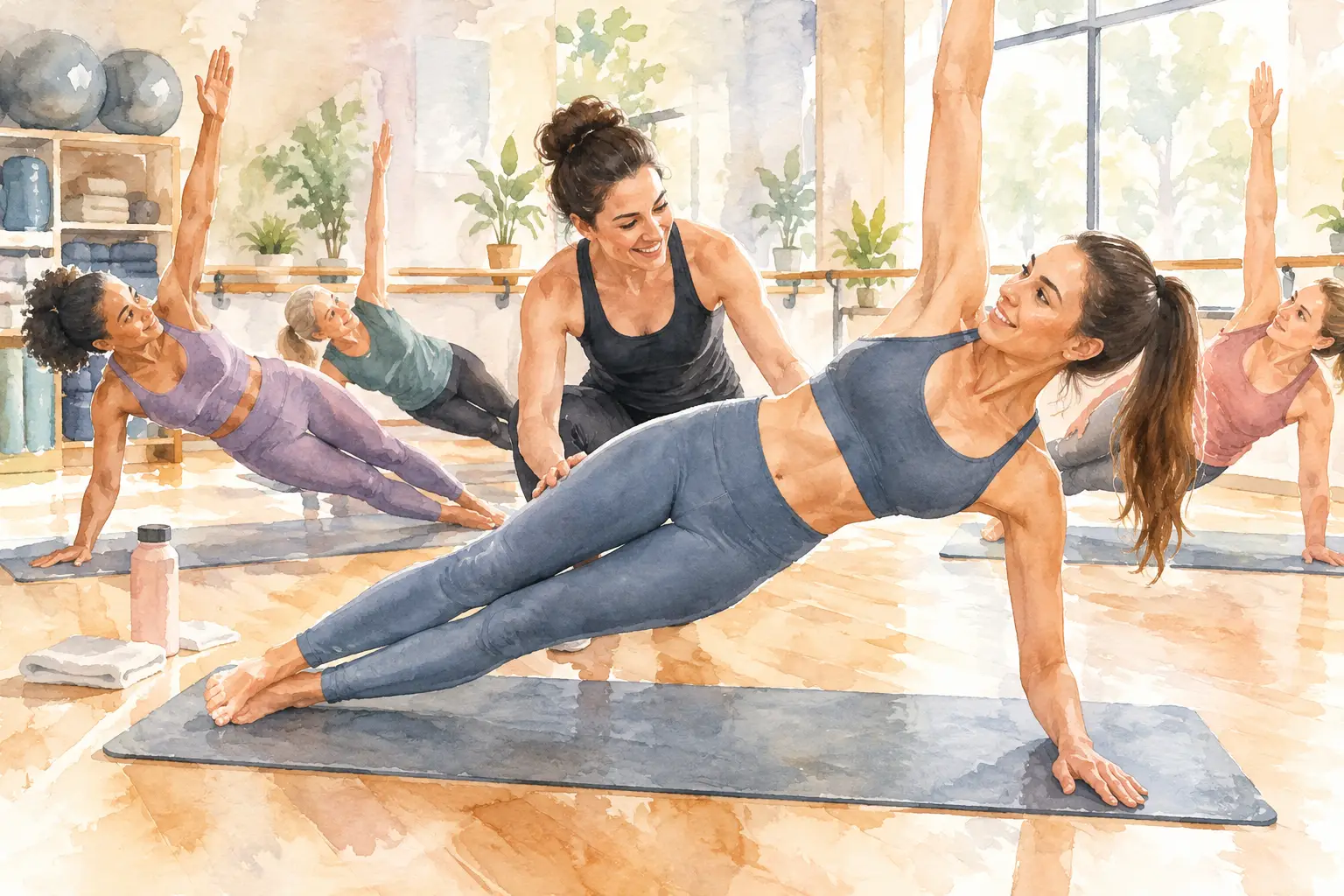
Find the best core stability moves for stronger posture, better balance, and confident low-impact movement, with form tips for every fitness level at home.